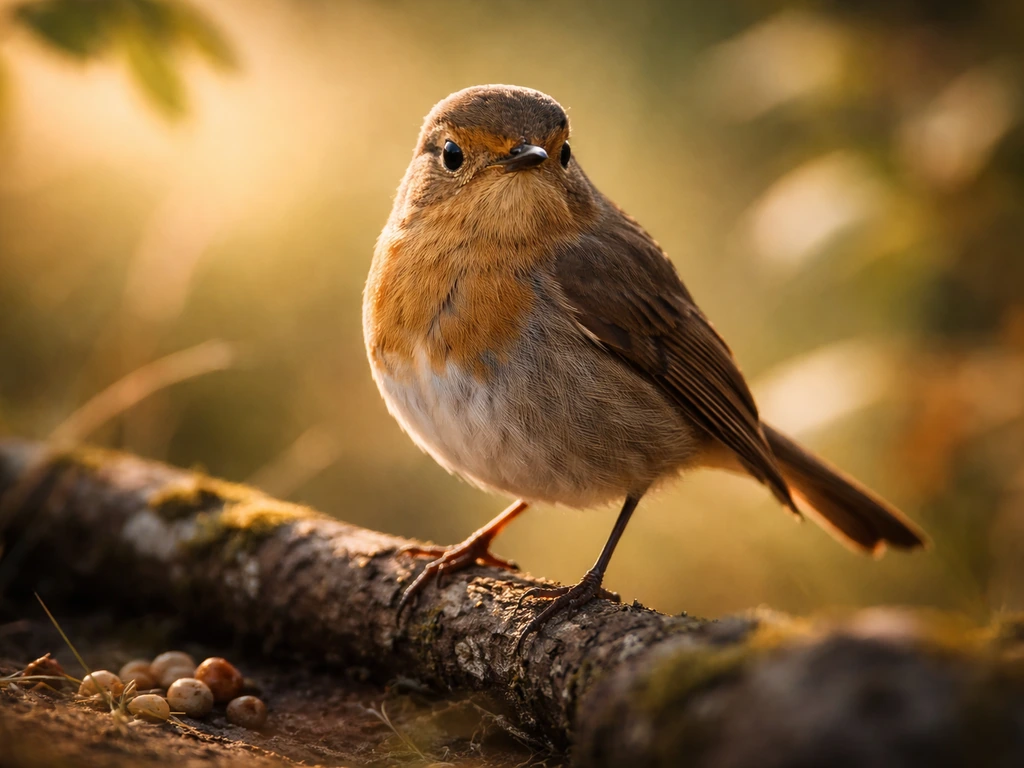
When people search 'bird worth,' they're almost always asking one of two things: what a bird symbolizes about value, worth, or luck in a spiritual or cultural sense, or they're thinking about the famous proverb 'blank" rel="noopener noreferrer">a bird in the hand is worth two in the bush.' Both are genuinely useful questions, and this guide covers them together, because the meaning of worth tied to birds runs deep across symbolism, slang, superstition, and real behavioral interpretation. If you want a lighter, meme-style comparison point on bird-related culture, consider checking out a bird law meme as a quick related option.
Bird Worth Meaning: Symbolism, Luck, and Real Value Explained

Marcus Holloway
19 Jun 2026
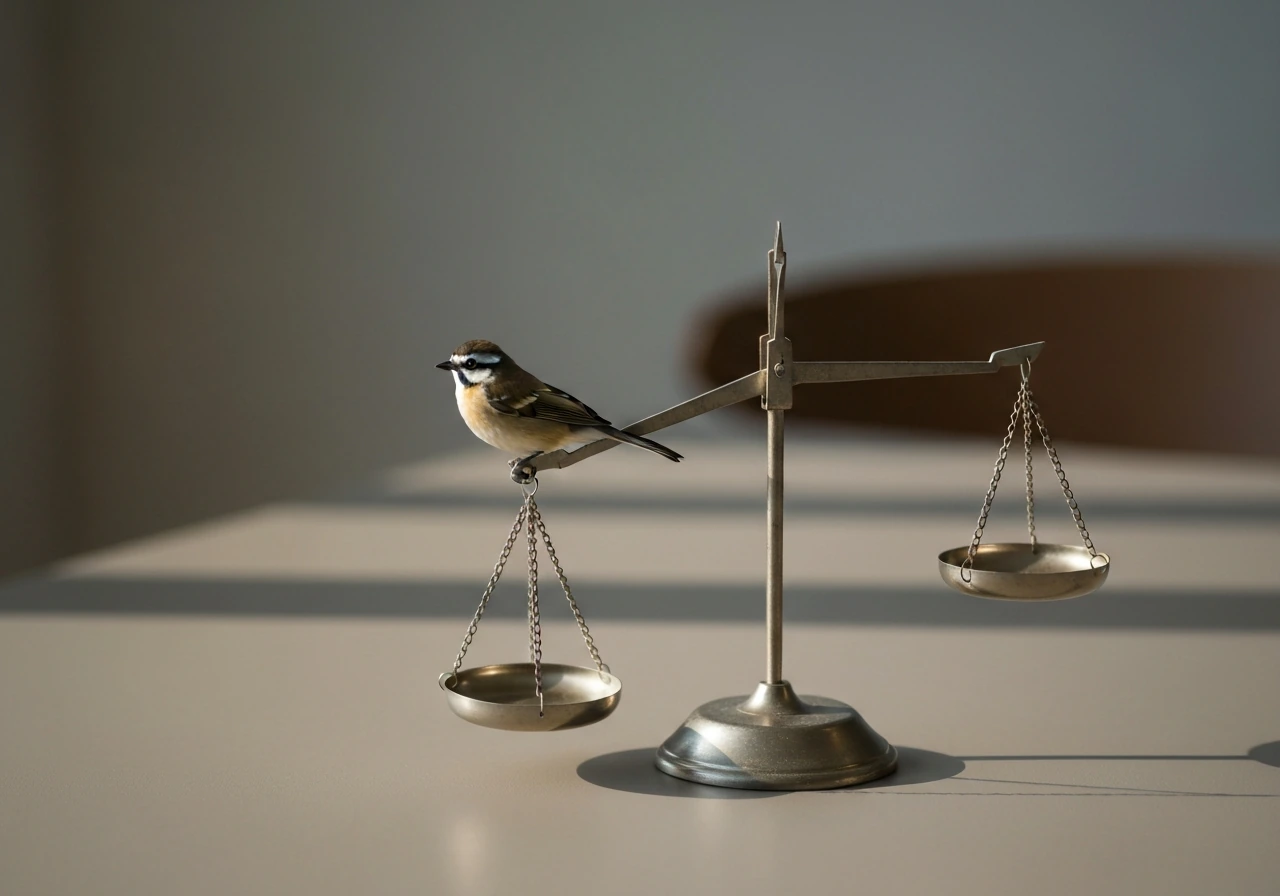
What 'Bird Worth' Actually Means When People Use It
The phrase 'bird worth' doesn't have one fixed definition. In everyday conversation and search behavior, it surfaces in a few distinct ways. Most commonly, it's shorthand for the proverb 'a bird in the hand is worth two in the bush,' which advises holding onto a certain advantage rather than gambling on something better that might not happen. That proverb is long-established in English usage, documented by the Oxford English Dictionary, and it's one of the most universally recognized sayings about practical value and risk.
But people also search 'bird worth' when they're asking something more personal: what does this bird I keep seeing mean? That kind of question is also behind the search for bird billie marten meaning, where people look for personal significance in what they notice what does this bird I keep seeing mean. Is it a sign of something valuable coming my way, or a message about my own worth? That interpretive angle comes from spiritual tradition, cultural symbolism, and the very human habit of reading meaning into nature. Both uses are valid, and this guide treats them as equally worth exploring.
What Birds Symbolize About Worth and Value Across Cultures
Birds have carried symbolic weight around value, status, and prosperity for thousands of years across wildly different cultures. If you are looking for bird law in particular, Charlie’s bird law resources explain how legal rules can affect bird care and habitat. The specific bird matters a lot here, because the associations are not interchangeable.
| Bird | Culture/Tradition | What It Represents About Worth/Value |
|---|---|---|
| Peacock | Hindu, Persian, Greek | Royalty, self-worth, and the value of displaying your gifts openly |
| Eagle | Native American, Roman | High status, sovereign power, and the worth of courage |
| Goldfinch | European Christian art | Precious rarity, spiritual value, sacrifice |
| Crane | Chinese, Japanese | Longevity, good fortune, and the enduring value of patience |
| Robin | British folklore | Good luck arriving, a sign that something of personal worth is near |
| Magpie | British, Chinese | Divided: bad luck in Western lore, good fortune and prosperity in Chinese tradition |
| Wren | Celtic | Humility as worth; the 'king of birds' despite its small size |
| Albatross | Maritime cultures | Enormous spiritual worth as a protector; harming one brings ruin |
The wren example is worth dwelling on. In Celtic tradition, the wren won the title 'king of birds' not by being the largest or fastest, but by outsmarting the eagle in a contest of who could fly highest. That story is a direct cultural statement: worth is not about size or power, but ingenuity and inner value. It's the kind of layered meaning that makes bird symbolism so enduring.
Spiritual and Superstition Readings Tied to Worth

Across spiritual traditions, a bird appearing at a meaningful moment is often interpreted as a message about your own worth or an incoming change in fortune. In NBA fan culture, the phrase “bird rights” has a specific legal meaning related to player contract retention bird appearing at a meaningful moment. The interpretation depends heavily on the bird, the context, and what you were thinking or doing when it appeared. That last part sounds vague, but experienced practitioners of these traditions take the moment's emotional context seriously as part of the reading.
- A bird landing directly on you or very close to you is widely interpreted as a sign of special attention from the spiritual realm, often connected to affirmation of your personal worth or path.
- Birds that appear during a time of self-doubt in many spiritual traditions are read as encouragement: you are seen, you are valued.
- In many Indigenous American traditions, the appearance of a specific bird (such as a hawk or eagle) during a vision or ceremony is considered confirmation of spiritual standing and inner strength.
- In Caribbean and Afro-Brazilian spiritual practices, certain birds serve as messengers from ancestors, and their appearance can signal that the person has ancestral backing and worth.
- European superstition assigns luck value to specific bird encounters: a single magpie means sorrow, but two mean joy, and in Chinese tradition the magpie is almost always associated with incoming good news and prosperity.
- Dreaming of a bird often carries a worth-related interpretation: a bird in flight symbolizes freedom and rising value; a caged bird often points to suppressed worth or potential not yet realized.
A practical note on superstition and fact: none of these beliefs have empirical support, but that doesn't make them meaningless. They function as cultural frameworks for self-reflection. When a bird appears and you interpret it as a sign of your worth, you're using an ancient psychological tool for grounding yourself. If you meant a legal or regulatory “meaning,” that can be different from bird symbolism, so check the bird law meaning for the right context. The belief does real work even if the bird is just looking for food.
Real Bird Behavior and What It Actually Signals
Here's where the science-meets-symbolism lens really pays off. A lot of 'signs' people interpret spiritually have concrete behavioral explanations, and knowing both doesn't diminish the experience. It actually deepens it.
When a bird approaches you closely or repeatedly returns to an area near you, there are usually practical reasons: food availability, territory, nesting proximity, or learned habituation to humans in that space. Robins, for example, are notoriously bold around humans digging in gardens because they've learned that turned soil means exposed worms. That's behavior, not prophecy. But if you're in a meaningful emotional moment and a robin hops up to within a foot of you, the experience still carries personal weight, and that's completely legitimate.
A bird tapping on your window repeatedly is almost always a territorial male attacking his own reflection. It has nothing to do with messages or worth. Birds singing unusually loudly at dawn are responding to temperature, light, and breeding cycles. Unusual bird activity in winter may signal a weather shift rather than a spiritual signal. These behavioral realities don't invalidate the symbolic layer, but they're important to know so you're interpreting from an informed place rather than pure projection.
Slang, Idioms, and Pop Culture Connecting Birds to Value

The intersection of birds and the concept of worth shows up constantly in everyday language and pop culture, often in ways people don't consciously recognize as bird-related. If you want a legal angle on birds, you might also look for bird law quotes that summarize key protections and obligations.
- 'A bird in the hand is worth two in the bush': the heavyweight champion of bird-value idioms. It means a certain, immediate reward beats a speculative, better-seeming one. You'll recognize this from contract negotiations, relationship advice, and career decisions.
- 'The early bird catches the worm': worth tied to timing and effort. Being first or most prepared captures the available value.
- 'Free as a bird': worth equated with freedom; a bird's flight as the ultimate symbol of unencumbered value.
- 'Rare bird' (or 'rara avis' in Latin): something or someone exceptionally valuable precisely because they're unusual.
- In British slang, 'bird' means a girl or woman, which carries its own layered cultural history around the idea of someone being cherished or valued (though the term is contested today).
- In NBA basketball, 'Bird Rights' refers to a team's ability to re-sign their own player over the salary cap, a major financial advantage named after Larry Bird. That's a whole separate dimension of bird-plus-worth worth knowing about if you've landed here from a sports search.
- In pop culture, the 'bird worth' framework also surfaces in song lyrics, poetry, and film where a caged bird is a consistent metaphor for suppressed worth or freedom denied, from Maya Angelou's 'I Know Why the Caged Bird Sings' to Alicia Keys' 'A Woman's Worth.'
This site also covers related territory in pieces on bird law as it appears in pop culture (particularly the 'It's Always Sunny in Philadelphia' universe, where Charlie Kelly's concept of 'bird law' is a recurring joke about invented legal authority) and on phrases like 'bird knows what's good,' which carries its own folk-wisdom flavor about instinct and discernment. These are different angles on the same cultural fascination with birds as carriers of meaning.
Common Misconceptions Worth Clearing Up
A few persistent myths around birds and worth deserve direct pushback. If you came in because you heard the phrase bird knows what's good, this article will help you separate the catchy saying from what birds actually do.
- Myth: A specific bird landing near you is always a sign from a deceased loved one. Fact: This is a comforting folk belief with no empirical basis. Birds investigate humans for food, safety, and territorial reasons. That said, if the belief brings genuine comfort and prompts reflection, that's a legitimate human function of folklore.
- Myth: The 'a bird in the hand' proverb is specifically about hunting. While the proverb likely originates from falconry (where a captured bird was literally in hand, versus two uncaught birds in the bushes), its application has always been broadly metaphorical, and treating it as hunting-specific misses its universality.
- Myth: Seeing a crow or raven always means bad luck or low worth. In Norse mythology, Odin's ravens Huginn and Muninn represented thought and memory, deeply valuable qualities. In many Indigenous traditions, Raven is a creator figure of immense worth. The 'bad luck crow' interpretation is specifically Western European and relatively recent.
- Myth: The more dramatic the bird encounter, the more significant the message. From an ornithological standpoint, dramatic behavior (like a bird flying into your house) is usually stress-induced and accidental, not deliberate communication. Interpreting significance based on drama level is projection, not pattern.
- Myth: Bird symbolism is universal across cultures. It is not, at all. A white bird means purity and peace in Western tradition but can mean death in parts of East Asia. Context and cultural origin matter enormously when reading bird symbolism around worth.
How to Actually Use This Today
If you're here because a specific bird encounter felt meaningful to you, here's a grounded way to process it without overclaiming or dismissing the experience.
- Identify the bird species if you can. The symbolism attached to a goldfinch is very different from that of a vulture or a sparrow. Even a rough identification (small brown bird vs. large dark bird) gives you a starting filter.
- Note the behavioral context. Was it approaching you, flying away, singing, tapping, or just passing by? Behavior shifts the interpretation significantly both symbolically and scientifically.
- Consider what you were thinking or feeling when it appeared. In many interpretive traditions, the emotional context is part of the message. A bird appearing when you're questioning your own worth carries different weight than one appearing when you're feeling confident.
- Look up the specific cultural tradition most resonant for you. Don't apply Celtic meanings if you come from a Japanese or Lakota cultural background. The tradition you're embedded in or drawn to is the most meaningful interpretive lens.
- If the proverb angle is what brought you here, apply the 'bird in the hand' framework to your actual situation: what certain value do you already hold, and is it actually worth risking for the uncertain alternative? That question alone tends to clarify a lot.
Reflection Prompts to Take With You
- What 'sure thing' am I undervaluing right now in favor of something uncertain?
- If a bird appeared to me recently, what was I most preoccupied with at that moment, and what would I want the message to be?
- Which cultural tradition around birds resonates most with my background or current spiritual framework?
- Am I a caged bird in some area of my life, sitting on suppressed worth? What would flying look like?
- What does 'worth' actually mean to me right now: financial, relational, spiritual, or personal?
Birds have earned their symbolic place in human culture across every civilization precisely because they do what we often wish we could: they move freely between earth and sky, they navigate by instinct, and they show up in our lives whether we invite them or not. Whether you're here for the proverb, the symbolism, the spiritual reading, or just a bird that caught your eye this morning, the most practical takeaway is this: use whatever framework resonates, stay honest about what is belief versus science, and let the encounter prompt genuine reflection rather than passive fortune-telling.
FAQ
Is “a bird in the hand is worth two in the bush” the only meaning behind “bird worth” searches?
It’s the most common, but not the only one. Some people use “bird worth” to describe the personal value they feel from repeated sightings, like “this bird is bringing me a message,” so the same search phrase can point to either proverb advice (risk and payoff) or a symbolism interpretation (personal reflection).
How do I tell whether I’m interpreting a bird sighting spiritually or just noticing behavior?
Use a quick two-step check, what is the bird doing (feeding, defending territory, nesting), and what was happening in your life emotionally at the same time. If the bird behavior strongly matches a seasonal or habitat pattern, treat the “sign” as a prompt for reflection rather than an information source.
What should I do if a bird keeps showing up near my home, is it likely to mean something or is it a real-life trigger?
Most repeated visits come from stable resources like a consistent food source (bird feeders, spilled seed, fruit trees), safe nesting sites, or reduced fear due to habituation. If you remove tempting food or block access to specific nesting areas (without harming active nests), you can test whether the visits fade.
Do birds tapping on windows ever have a “worth” or luck meaning?
Repeated window tapping is usually a collision or reflection problem, the bird attacks what it thinks is another bird. A practical fix is to reduce reflections with curtains during peak times, add window decals, or increase spacing between perches and glass.
Is it bad luck if I see a bird at a difficult moment, or does that just mean I’m reading into it?
It can feel meaningful either way, but “bad luck” claims usually go beyond what the evidence supports. A grounded approach is to treat the moment as a cue to pause and make one concrete improvement (call someone, review a plan) rather than trying to predict the next event from the sighting.
Why do different people get different “messages” from the same bird species?
Symbolism is personal and context-dependent. Two people can interpret the same species differently because of prior beliefs, cultural background, and what they were thinking when the encounter happened. A useful decision aid is to write down the interpretation first, then confirm how it connects to something you actually need or value right now.
Can “bird worth” ever relate to legal concepts, or is that separate from the proverb and symbolism?
It can be separate. Some searches blend “bird” phrase culture with legal jargon or pop-culture legal references, so if you mean legal meaning, look for the specific term tied to contracts or protections rather than assuming it’s the same as proverb luck or spiritual symbolism.
What’s a common mistake when interpreting bird symbolism for worth or luck?
Overconfidence after a single event, like assuming a brief encounter guarantees a specific outcome. Another common slip is ignoring obvious explanations like weather, breeding season, or food availability, then attributing everything to fate. Balance the story you feel with the bird’s likely real behavior.
If I want to use the “sign” idea, what’s the safest way to apply it?
Use it as a grounding tool for values, not a fortune-telling tool. For example, if the encounter feels like “my worth is recognized,” choose a practical action that reflects that worth (ask for the raise, finish the application, set boundaries), and avoid making irreversible decisions based solely on one sighting.
Next Article
Bird Knows What’s Good: Meaning, Behavior, Dreams, and Myths
Decode bird knows what’s good: cultural symbolism, bird behavior, spiritual and dream meanings, and what to do next.