
Bird law refers to the body of legislation, regulations, and legal frameworks that govern how humans interact with birds and their habitats. In practical terms, it covers everything from which species you can legally possess or hunt, to what permits you need before touching an injured wild bird, to the criminal consequences of disturbing a protected nest. It is a real area of law with real enforcement, and if you landed here wondering what it means, you are most likely dealing with a legal question rather than a cultural or spiritual one.
Bird Law Meaning: Legal Scope, Rules, and Permits Guide

Marcus Holloway
5 May 2026
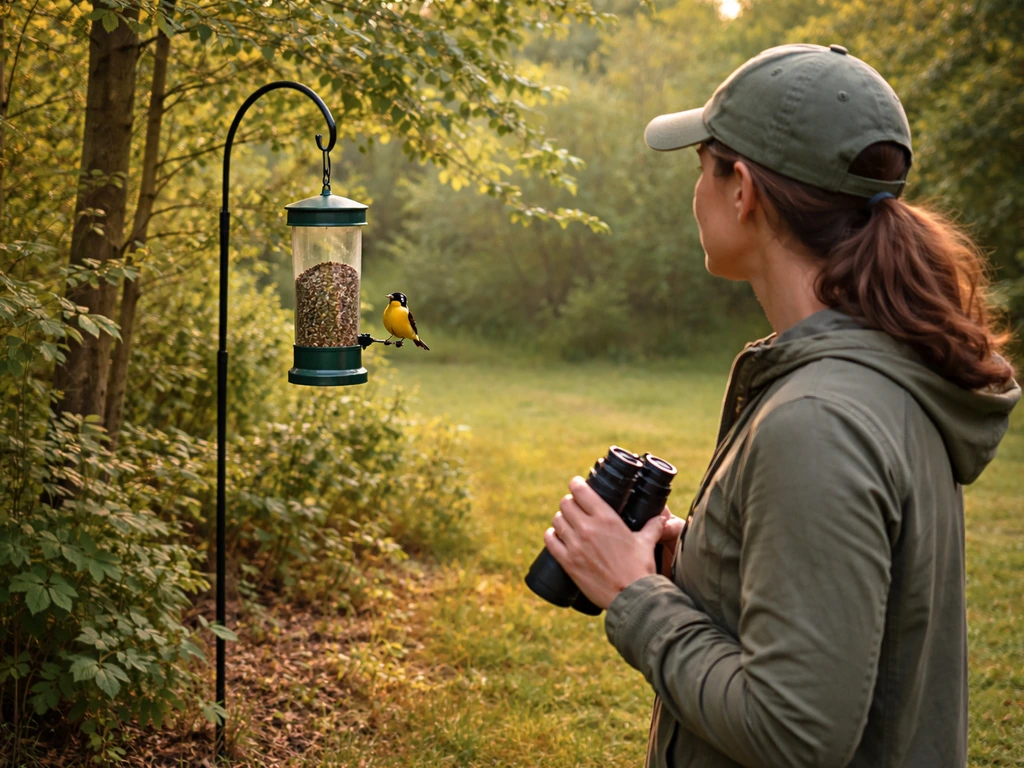
Plain-English definition of bird law
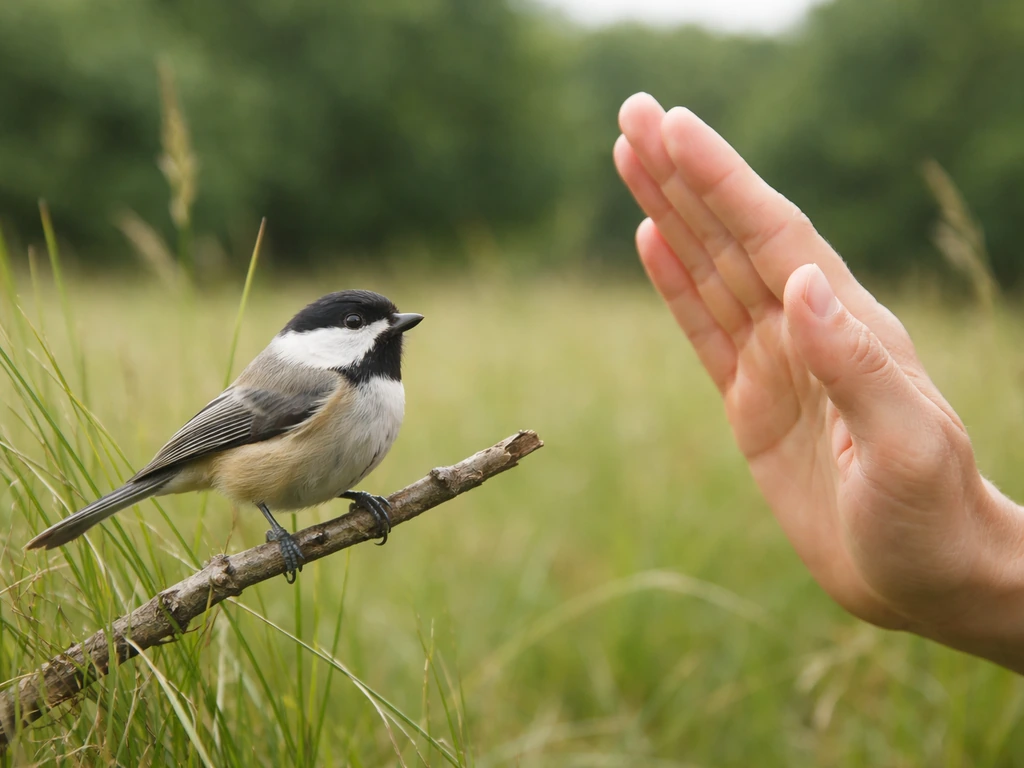
At its simplest, bird law is any rule, statute, or regulation that controls what people can and cannot do with wild birds. That includes killing or injuring them, capturing or collecting them, buying or selling them, disturbing their nests or eggs, and keeping them in captivity. The rules differ depending on where you are in the world, which species you are dealing with, and whether you have an official permit. In the US, federal law is the main starting point.
In the UK, the Wildlife and Countryside Act 1981 plays that role. Most countries layer additional regional or local rules on top of their national statutes, which is why jurisdiction matters so much when you are trying to figure out what is actually legal in your specific situation.
Bird law vs. bird symbolism: two very different things
This site mostly lives in a different world than legal bird law. If you meant the legal phrase, the real answer is about bird law rules and permits, not what birds symbolize bird knows what's good. The focus here is on what birds mean culturally, spiritually, in dreams, in slang, and across human traditions.
So if you searched 'bird law meaning' and expected to find information about what a bird symbolizes in a dream or what it means when a crow visits your window, this article is not quite your destination. Those questions are about bird symbolism meaning, not legal regulation. If you want the cultural or spiritual side instead, read more about bird symbolism meaning and what people commonly associate with different birds.
Think of it this way: bird law tells you what you are allowed to do with a bird; bird symbolism tells you what people across cultures believe a bird is trying to tell you. Both are legitimate ways of asking what birds mean, just in completely different registers.
There is also a third meaning floating around, which is the fictional, comedic concept of 'bird law' made famous by the TV show It's Always Sunny in Philadelphia. If you meant bird law in the legal sense, it is a separate subject from the comedic, pop-culture usage of the phrase on It's Always Sunny in Philadelphia. If you meant the character Charlie Kelly's joke about bird law, that pop culture version is usually what people are pointing to.
In that context, the character Charlie Kelly claims to be an expert in bird law, which does not exist as a recognized specialty, and uses it for absurdist humor. That pop culture version of the term has spawned its own memes and quotes. If you are hunting for bird law quotes for captions, teaching, or inspiration, start with primary sources like statutes and agency guidance.
If that is what you were looking for, there is more on the Charlie Kelly bird law angle and the broader bird law meme in separate pieces. If you are looking for the bird law meme side of the term, it is commonly tied to Charlie Kelly’s comedic “expert” act.
Why people search 'bird law meaning' and what they usually need
In my experience, searches for bird law meaning fall into about four categories, and knowing which one applies to you saves a lot of time.
- Legal situation: You found an injured bird, you want to keep a feather you found, you are a farmer dealing with birds damaging crops, or you discovered a nest in an inconvenient place and want to know if you can move it. You need real legal guidance.
- Casual curiosity about wildlife rules: You heard that certain birds are protected and want to understand what that actually means in practice.
- Pop culture reference: You heard someone mention bird law in the context of It's Always Sunny in Philadelphia or a meme and want to know what the joke is about.
- Symbolic or spiritual meaning: You actually wanted to know what a bird symbolizes and the search term led you here. If that is you, the cultural and spiritual meaning content on this site is a better match.
The rest of this article focuses on the legal meaning, because that is where real confusion and real consequences tend to live.
What bird law actually covers

Bird law is not a single statute. It is an umbrella term for several overlapping frameworks that together determine what is legal and what is not when it comes to wild birds. Here is what it typically touches.
Protection of species and habitats
In the US, the Migratory Bird Treaty Act of 1918 (MBTA) is the foundational federal law. It implements four international conservation treaties and prohibits the take of protected migratory bird species without authorization from the US Fish and Wildlife Service (FWS). The word 'take' here is broad: it includes pursuing, hunting, shooting, wounding, killing, trapping, capturing, and collecting, plus disturbing nests or eggs. On top of that, the Endangered Species Act (ESA) protects any bird listed as endangered or threatened, with similarly wide definitions of take that include harassing or harming a bird, not just killing it outright. The ESA is administered by FWS for land and freshwater birds and by NOAA Fisheries for marine species.
In the UK, the blank" rel="noopener noreferrer">Wildlife and Countryside Act 1981 is the primary legislation. It covers a wide list of offence types: killing or injuring a wild bird, taking or capturing one, possessing or keeping one, damaging or destroying shelter or protection (like a nest), taking or destroying eggs, blank" rel="noopener noreferrer">disturbing a bird on or near an active nest, and transporting, selling, or advertising birds, nests, or eggs for sale. The Act has been amended several times and its protections vary by species classification, so checking the current schedule of protected species matters.
Hunting and collection rules
Not all birds are off-limits to hunt. Game birds like ducks, geese, pheasants, and turkeys can be legally hunted in many jurisdictions, but only during specified seasons, with valid licenses, using permitted methods, and within bag limits. Federal migratory bird hunting in the US requires a federal duck stamp in addition to a state license. Collecting feathers, eggs, or nests from protected species, even ones you find on the ground, is typically illegal without a permit under the MBTA.
Possession, rescue, and rehabilitation
This is where many well-meaning people run into trouble. If you find an injured wild bird and take it home to nurse it back to health, you may technically be in violation of the law unless you have a wildlife rehabilitation permit or immediately transfer the bird to a licensed rehabilitator. Even possessing a single feather from a protected migratory bird can be illegal. There are narrow exemptions for educational purposes, scientific research, and certain Indigenous cultural uses in the US, but those require specific permits.
Permits and enforcement

Most legitimate bird-related activities that would otherwise be illegal require a permit. This includes banding (attaching leg bands for research), falconry, wildlife rehabilitation, scientific collection, and certain pest management activities. In the US, federal permits are issued by the US Fish and Wildlife Service. State wildlife agencies also issue their own permits for activities governed at the state level. Violations of the MBTA or ESA can result in civil fines, criminal charges, or both, depending on whether the violation is deemed knowing or willful.
Key terms you will run into in bird law
| Term | What it means in practice |
|---|---|
| Take | A broad legal concept covering any action that kills, captures, harms, harasses, or pursues a protected bird, plus attempts to do so |
| Migratory bird | Any bird species covered by one of the four treaties implemented by the MBTA; the list is extensive and includes many common backyard species |
| Protected species | A bird listed under national or regional law as requiring specific legal protection; varies by jurisdiction and can change as populations change |
| Incidental take | Unintentional harm to a protected species that occurs as a byproduct of an otherwise lawful activity; may require a separate permit or authorization |
| Wildlife rehabilitation permit | Authorization allowing an individual or organization to temporarily possess injured or orphaned wildlife for treatment and release |
| Bag limit | The maximum number of game birds a hunter may legally harvest in a single day or season |
| Endangered vs. threatened | Under the ESA, 'endangered' means a species faces extinction; 'threatened' means it is likely to become endangered; both carry take prohibitions |
| Enforcement agency | In the US, primarily the US Fish and Wildlife Service (federal) and state wildlife agencies; in the UK, primarily the police and Natural England or equivalent devolved bodies |
How to find the right rules for your situation fast
Bird law varies by country, state or province, and sometimes even by county. The fastest way to get a reliable answer is to follow this sequence.
- Identify your jurisdiction first. Are you in the US, UK, Canada, Australia, or elsewhere? National law is usually the starting point, but regional rules layer on top.
- Figure out the species involved. Is the bird a game species, a migratory species, an endangered or threatened species, or an unprotected species? A quick search of the IUCN Red List or your national wildlife agency's species list will tell you the bird's legal status.
- Go to the right agency website. In the US, start at the US Fish and Wildlife Service (fws.gov) for federal migratory bird and ESA questions. Then check your state's fish and wildlife or natural resources agency. In the UK, go to GOV.UK's wildlife pages and check Natural England, NatureScot, or Natural Resources Wales depending on where you are.
- Check for permit requirements before taking any action. If you are unsure whether something requires a permit, assume it does until you confirm otherwise. It is much easier to get pre-authorization than to defend yourself after the fact.
- Call or email the relevant agency directly. Wildlife agencies generally have regional offices and are accustomed to fielding questions from the public. If your situation is straightforward, a quick phone call often resolves it without needing legal counsel.
- Hire a wildlife attorney if the stakes are high. If you are dealing with a commercial operation, a development project that may affect bird habitat, a federal investigation, or a situation involving significant fines, consult an attorney who specializes in wildlife or environmental law.
If you actually wanted the cultural or spiritual meaning of a bird
If you searched for bird law meaning and realized partway through that you were actually looking for what a bird symbolizes, you are in the right place on the right site, just in the wrong article. This site covers bird symbolism across spiritual traditions, folklore, dreams, and everyday life in depth. There are also pieces on slang uses of bird-related language, like the NBA's bird rights concept, and on the meaning of specific birds in poetry and song.
In the NBA, bird rights are the rights a team holds to re-sign certain players under specific contract rules bird rights concept. The legal meaning of bird law and the symbolic meaning of birds are genuinely separate conversations, and now you know which one you were looking for.
FAQ
What exactly does “bird law” mean, is it just about hunting?
It is broader than hunting. Bird law also covers possession, buying or selling, collecting feathers or eggs, disturbing active nests, rehabilitation of injured birds, captive keeping, and certain research activities, and it can apply even when you are not intentionally harming a bird.
If I find a dead bird or an injured bird, am I allowed to keep it as a souvenir?
Usually not for protected birds. In the US, even possessing a feather or carcass of a protected migratory bird can be illegal without authorization. For injured birds, the practical path is to contact a licensed wildlife rehabilitator or a local authority promptly, rather than holding the bird yourself while you “figure it out.”
Does “take” only mean killing, or does it include things like photography or filming near a nest?
“Take” is often defined very broadly and can include disturbing nests or eggs, and harassment-related conduct can trigger separate protections under endangered or threatened species rules. If you are planning close-range filming or operations near an active nest, you may need guidance or permission depending on species and location.
Are all bird species treated the same under bird law?
No. Many jurisdictions use classifications, for example protected species lists, migratory species rules, and “game” categories. Whether something is legal depends on the specific species, whether it is migratory, and whether it is on a protected list in your jurisdiction.
If hunting is legal, can I use any method or hunt at any time?
No. Legal hunting typically requires meeting season dates, license requirements, permitted methods, and bag limits. Using an unapproved method, hunting out of season, or exceeding limits can turn an otherwise allowed activity into an illegal “take.”
What permits are usually required to possess or rehabilitate birds, and who issues them?
In the US, federal permits for activities covered by major frameworks are typically issued through US Fish and Wildlife Service, while state agencies can control state-level permits and wildlife handling rules. Rehabilitation generally requires a wildlife rehabilitator authorization, and transferring the bird to a license holder quickly is often the key compliance step.
Can I band a bird or do research without a permit if it is for a legitimate reason?
Legitimate intent is not usually enough. Bird law commonly treats banding and scientific collection as regulated activities, and permission is typically required to attach bands, capture birds for research, or collect samples depending on the species and context.
Is a “small” violation ever treated as serious under bird law?
Yes. Enforcement can include civil penalties and criminal charges, and what matters is sometimes whether the violation was knowing or willful, plus which species are involved. Also, some protections attach even to minor acts like possessing a single feather from a protected migratory bird.
How do I quickly figure out which rules apply to my situation?
Start with jurisdiction and species, then map your activity to a regulated action. Identify your location (country and local unit if relevant), determine the bird species if possible, and then check whether your conduct is “take,” possession, disturbance, or trafficking. If you cannot identify the species reliably, contact a local wildlife agency or a rehabilitator for guidance.
What if the bird law question I have is really about a meme or joke, is it the same topic?
No. Pop culture “bird law” is typically comedic and unrelated to enforceable wildlife regulations. If your goal is legal compliance, stick to agency guidance and statutes, not quotes or fictional portrayals.
Next Article
Bird Rights NBA Meaning: What It Means for Salaries
Learn bird rights NBA meaning: how NBA contract rights affect re-signing, free agency, and salaries under CBA rules.