A bird therian is someone who identifies, on a deep personal level, as a bird species rather than simply feeling spiritually inspired by one. When people search "bird therian meaning," they are usually trying to figure out whether their strong, persistent pull toward a specific bird (or bird qualities in general) reflects a genuine therian identity, a spiritual connection, or something else entirely. The short version: therianthropy is an identity experience in which a person feels they are, in some integral non-physical sense, a non-human animal. A bird therian experiences that with a bird as their "theriotype." This article walks you through what that means, how to explore it honestly, and how to stay grounded while you do.
Bird Therian Meaning: What It Is and How to Know Yours

Marcus Holloway
24 Jun 2026
What "bird therian" actually means
Therianthropy, as the broader community generally defines it, is the experience of identifying as a non-human animal on an integral and personal level. It is not a religion, not a trend, and not roleplay. It is an internal experience of identity that some people describe as feeling like they were simply born with it. The word comes from the Greek "therion" (wild animal) and "anthropos" (human), and the modern therian community has built a fairly consistent vocabulary around it over the past few decades.
A bird therian, specifically, is someone whose theriotype is a bird species. That might be a crow, a hawk, an owl, a swan, a raven, or any other bird. The experience is usually described as a deep, non-negotiable sense of self: not "I admire hawks" or "I feel hawk energy today," but something closer to "on some fundamental level, I experience myself as a hawk." That distinction matters a lot when you are trying to figure out where you fall.
It is worth separating this cleanly from spiritual connection. Many people feel a profound bond with a bird species through dreams, repeated encounters, or a sense of being drawn to a particular bird across their whole life. That is real and worth exploring, but it does not automatically make someone a therian. A therian identity is about who you are, not what speaks to you. Both experiences are meaningful; they are just different things.
Why people feel a strong bird connection (and how to tell them apart)
There are several genuinely different reasons a person might feel deeply connected to a bird, and it helps to map them out before assuming any single explanation fits.
- Therian identity: A persistent, species-specific internal sense of being that bird, present across many situations and not something you can turn off.
- Spiritual or totem connection: A feeling that a particular bird species is a guide, protector, or mirror of your soul, often rooted in Indigenous traditions, paganism, or personal spiritual practice.
- Psychological resonance: Strong identification with a bird's symbolic traits (freedom, keen vision, solitude) without the identity-level experience therians describe.
- Cultural or symbolic imprinting: Growing up with stories, art, or family traditions centered on a bird can create a lasting emotional connection that feels profound but is more cultural than identity-based.
- Dream symbolism: Recurring bird imagery in dreams often reflects the unconscious processing of themes like transformation, freedom, or perception, not necessarily therian identity.
- Behavioral affinity: Simply finding that your natural tendencies (observational, territorial, social in flocks, predatory in focus) map well onto a particular bird species.
None of these categories is less valid than the others. The site you are on covers all of them. But if you are specifically trying to understand whether "bird therian" fits you, the key question is this: does the connection feel like something you are, or something you love? Both matter, but they point in different directions.
Bird types and what therians say about them
If you do lean toward a bird therian identity, narrowing down your theriotype is a real and practical part of the process. Different bird species carry genuinely distinct behavioral profiles, and therians often describe their theriotype in terms of instincts, sensory preferences, and physical sensations that map onto real bird biology rather than just mythology.
| Bird Theriotype | Common instinct/behavior associations | Phantom shift reports |
|---|---|---|
| Crow / Raven | Problem-solving drive, object fixation, social hierarchy awareness, curiosity about shiny or novel things | Wing feathers, tail, beak pressure |
| Raptor (Hawk, Eagle, Falcon) | Intense focus on targets, height-seeking, territorial boundary awareness, hunting-like attention patterns | Talons, broad wings, sharp visual narrowing |
| Owl | Nocturnal alertness peaks, head-rotation sensation, heightened auditory awareness, preference for solitude | Silent wing sensation, rotating neck pressure, feather texture |
| Songbird (Robin, Sparrow, Finch) | Social flock instinct, territorial song-like vocalization urges, nest-building/arranging behaviors | Small hollow bones feeling, wing flutter, beak tip |
| Waterfowl (Swan, Heron, Duck) | Water-seeking calm, wading/floating imagery, stillness before movement, grace-conscious movement | Webbed foot sensation, neck extension, feather waterproofing feeling |
| Corvid (Jay, Magpie) | Caching/hoarding impulse, social mimicry, loud vocalization urges, strong memory for faces/places | Wing spread, tail fan, crest sensation |
These are drawn from how therians describe their experiences, cross-referenced with actual ornithological behavior. Ravens really do problem-solve at a level comparable to great apes. Falcons genuinely have binocular vision that narrows focus dramatically. Owls actually have asymmetrical ears for precise sound location. When therians describe sensations or instincts matching these real behaviors, it is worth noticing whether your experience aligns with factual bird biology, not just cultural mythology about that bird.
Shifts, instincts, and what people actually experience
The therian community uses specific terms for experiences that many bird therians report. Understanding them helps you evaluate your own experience with more precision.
Mental shifts

A mental shift is a temporary state where your mindset, thought patterns, and behavioral impulses align more closely with your theriotype. The Wikipedia entry on the therian subculture describes shifting as a temporary change commonly discussed in behavior and mindset, including blank" rel="noopener noreferrer">mental shifts and phantom shifts, and notes species dysphoria as a commonly reported experience. For a bird therian, this might look like an overwhelming urge to be up high, an intensely predatory focus while watching movement, a sudden territorial response to someone entering your space, or an instinct to go quiet and observe rather than participate. These are psychological and sensory, not physical transformations.
Phantom shifts
A phantom shift involves sensing body parts associated with your theriotype that are not physically present. Bird therians commonly describe sensing wings (their weight, span, or texture against the back), a tail of feathers, a beak, or talons. This is similar in mechanism to phantom limb sensation and is understood in the community as a neurological or psychological experience, not a literal physical one.
Species dysphoria
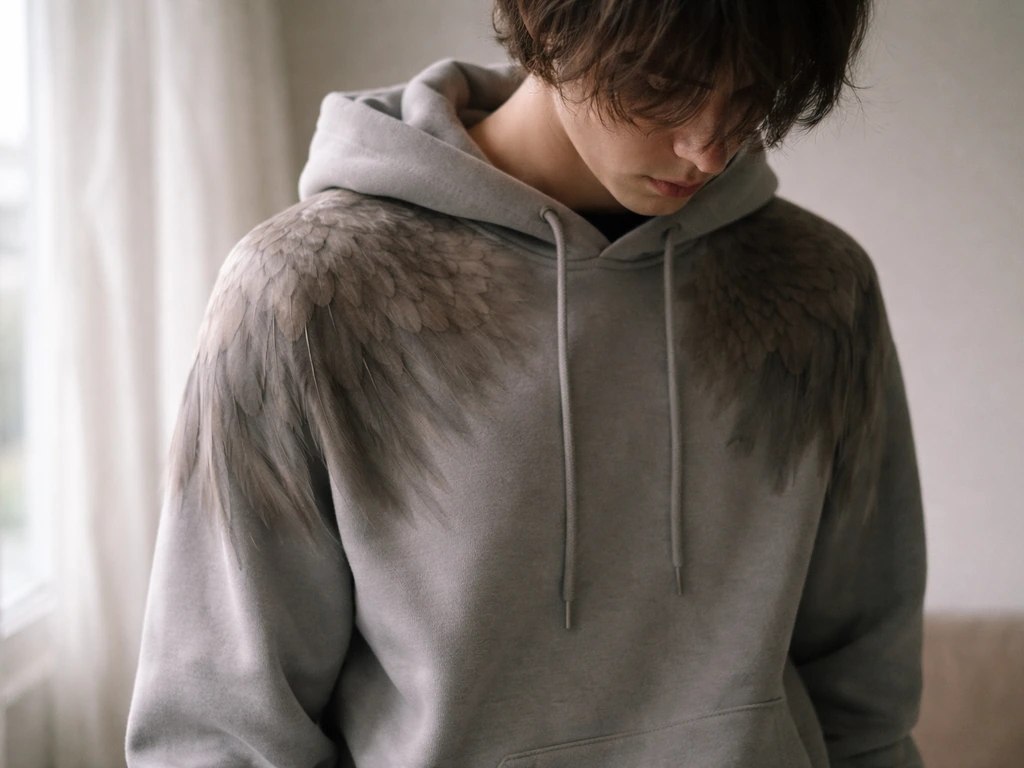
Some therians report a form of discomfort or distress from inhabiting a human body when their internal sense of self does not match it. For bird therians this might surface as persistent frustration at being grounded, an almost visceral longing for flight, or discomfort with human social norms that conflict with bird-instinct patterns. This experience is widely discussed in the therian community and, if it becomes severe, is worth discussing with a mental health professional (more on that below).
How to actually test and validate your connection
The most honest advice I can give here: slow down and observe yourself over time. If you are wondering what a “bird test” means in this context, the goal is simply to observe your experience consistently over time How to actually test and validate your connection. Identity experiences are not puzzles to solve in a single sitting. Here is a practical sequence that works well for most people exploring this.
- Journal without a conclusion in mind. Spend two to four weeks writing down every moment you feel a strong bird-related pull, without trying to label it yet. Note what triggered it, what it felt like physically, and how long it lasted. Patterns will emerge.
- Research your candidate bird species ornithologically. Look up actual behavioral science about the bird you feel drawn to, not just its symbolism. If your instinctive experiences match real bird behaviors (not just mythological ones), that is a meaningful data point.
- Observe real birds. Spend time watching the species you feel connected to in person or through quality documentary footage. Notice whether watching them activates something in you, or whether you feel more like an interested observer.
- Try the "is vs. love" check. Ask yourself honestly: do I feel like this bird, or do I feel deeply drawn to it? Both can be profound. Only one is typically what therians describe.
- Talk to the community, but stay critical. Therian forums and Discord servers are useful for language and shared experience, but do not let community validation replace your own careful self-observation.
- Ground regularly. If you are spending a lot of time in therian mental spaces, balance it with grounding practices: physical exercise, human social connection, and time in your human identity. This helps you assess your experience with a clearer head.
The goal of this process is not to prove or disprove a label. It is to develop a clear, honest picture of your experience so that whatever language you use for it actually fits.
This is not roleplay, but confusion is normal
One of the most important distinctions to get right: therian identity is not roleplay, fursona creation, or fiction writing. Roleplay is a chosen, conscious activity you step into and out of at will. Therian identity, as the community defines it, is not something you can simply choose to have or stop having. If you notice that your bird connection only appears when you are deep in a fandom, a game, or a creative writing project, that is worth paying attention to. It does not make the experience less real or interesting, but it does suggest a different category of experience.
There is also a clinically important distinction to be aware of. Research in clinical psychology has proposed a diagnostic spectrum for what is called "clinical therianthropy," which involves delusional beliefs about literally transforming into an animal. This is very different from community therianthropy, which is understood (both within the community and by most researchers who have studied it) as a psychological and identity experience, not a delusion. The vast majority of therians are fully aware they are not physically turning into animals. If you or someone you know is experiencing beliefs about literal physical transformation that feel uncontrollable and distressing, that is a mental health concern worth raising with a professional, not a therian community forum.
When to seek support
Explore your bird connection as freely and curiously as you want. But if the experience is causing significant distress, interfering with daily life, making it hard to maintain human relationships, or involves beliefs that feel completely outside your control, please talk to a mental health professional. A good therapist does not need to understand therian culture to help you process identity-related distress in a healthy way. Seeking support is not a sign that your experience is wrong or fake; it is just responsible self-care.
Where bird symbolism, superstition, and therian identity cross over
Because this site covers birds across cultural, spiritual, and behavioral contexts, it is worth mapping where these threads genuinely intersect with therian experience rather than pretending they are completely separate.
Many bird therians find that the cultural symbolism attached to their theriotype resonates with their lived experience in ways that feel meaningful. A crow therian may find the Norse associations of ravens with wisdom and memory deeply apt. An owl therian might feel the cross-cultural symbolism of owls as liminal, boundary-crossing creatures accurately describes something they feel about themselves. This is not the same as saying mythology caused the therian identity; it is more that ancient cultures, observing birds closely, often captured something real about those birds' behavioral and spiritual qualities that still resonates.
Superstitions about birds, on the other hand, are trickier territory. Seeing a single magpie as bad luck, or an owl call as a death omen, is folklore built around human anxieties rather than bird behavior or identity. A bird therian who has magpie as a theriotype does not "carry" bad luck any more than a person named Robin brings springtime. It is worth being able to separate the genuine cross-cultural symbolic weight of a bird species from the superstitions layered on top, especially if you are using cultural symbolism to understand your own identity.
There are also meaningful overlaps with spiritual frameworks. Some people who might identify as bird therians in a secular context understand their experience through the lens of spiritual kinship, totem animals, or soul connection in Indigenous or pagan traditions. These frameworks are not interchangeable with therian identity, but they address similar felt experiences from a different angle. If you come from a cultural tradition with specific teachings about animal kinship, those teachings are a valid and rich lens, and it is worth exploring them on their own terms rather than flattening them into a Western internet subculture label.
How this connects to related bird meaning topics
If you landed here after exploring questions like "bird theory meaning" or the "bird personality test," those are genuinely related but distinct concepts. Bird theory in relationship contexts refers to social patterns people map onto bird behaviors, while bird personality tests are more like typology tools that match human traits to bird archetypes. Neither of those is the same as therianthropy. They can be useful self-reflection tools, but they describe preferences and personality, not the deeper identity or spiritual connection that "bird therian" points to. If you have been using personality tests to explore your bird connection, that is a reasonable starting point, but it is worth following up with the slower, more personal process described above.
Putting it all together
A bird therian is someone who identifies, in an integral and personal way, as a bird species. The experience is typically described through mental shifts, phantom sensations, and species dysphoria, none of which involve literal physical transformation.
If you are exploring whether this label fits you, the most useful things you can do right now are: journal your experiences without forcing a conclusion, research the real biology of your candidate theriotype, spend time with actual birds, and balance your exploration with grounded daily life. If you have been wondering about the bird personality test meaning, these same self-checks can help you interpret what you are actually experiencing. If the experience becomes distressing, seek professional support.
And whatever you find, understand that a genuine connection to birds, whether therian, spiritual, cultural, or psychological, is worth taking seriously on its own terms.
FAQ
If I feel a deep bond with a bird, does that automatically make me a bird therian?
No. Being strongly drawn to a bird, having vivid dreams, or feeling “inspired” by a species can be spiritual or psychological connection rather than therian identity. A therian-aligned experience usually feels like it describes who you are at a core level, not something you simply experience or enjoy.
Can my bird theriotype change over time?
Yes, and it is usually a signal to slow down rather than push a label. Many people find their “best fit” changes after longer observation, especially if they are initially guessing based on symbolism, a single intense event, or personality tests. Give it time before locking into a theriotype.
What if I only get shifts sometimes, does that mean I am not a bird therian?
Typically, you can have shifts and still be unsure of a label. Shifts, phantom sensations, and species dysphoria are data points, but therianthropy is about identity, not frequency or intensity. If the connection feels temporary, performance-like, or only appears during fandom, roleplay, or specific content consumption, it may not reflect identity.
How do I tell phantom sensations apart from a mental health concern?
Start by distinguishing “sensations” from “convictions.” If you sense wings or talons in a phantom way but you also know you are physically human, that fits the community’s non-literal understanding. If you find yourself believing you have literally transformed into an animal in an uncontrollable way, or it causes significant distress, that is a different concern and warrants professional help.
I love dressing up or acting like a bird online, does that count as bird therian meaning?
If it is mainly about behavior you choose, it is more likely roleplay or expression (for example, acting “like a crow” in a game). Identity experiences tend to feel non-negotiable, recurring, and internally lived, not something you only do because you are playing a character or staying in a creative setting.
How can I tell whether it is identity-based or just inspiration triggered by seeing birds?
A practical approach is to compare the “pull” to the “values.” Does your experience include an internal sense of self that affects how you see yourself when you are not actively thinking about birds? Also check whether your bird qualities show up across many contexts (not just when you feel inspired or after specific triggers).
Are bird personality tests or bird theory useful for confirming bird therian identity?
If you are using “bird personality tests” or “bird theory” style quizzes, treat them as pointers, not evidence of identity. A test can reflect preferences (which birds you relate to) but it cannot capture integral identity features like species dysphoria or the felt certainty that you are that kind of being non-physically.
When should species dysphoria be taken seriously enough to seek professional support?
If the discomfort becomes intense, persistent, or leads to avoiding work, school, friendships, or basic self-care, that is a red flag. The article’s point is important here: species dysphoria can be discussed in community spaces, but severe, life-disrupting distress deserves support from a mental health professional who can help you manage it safely.
Do I have to match my theriotype to real-world bird behavior exactly?
You can research real bird biology without turning your identity into homework. Use biology to sanity-check your descriptions (for example, noticing whether your instincts align with known behaviors), but avoid forcing a theriotype to match facts at all costs. The healthiest sign is that your experience feels more clearly understood, not more constrained.
What is a good next step if I feel overwhelmed trying to decide whether the label fits?
If you feel pressured to label yourself quickly, pause. A good next step is a “no-label” observation period where you journal shifts, phantom sensations, dysphoria, and triggers, then compare notes after a few weeks. When you do choose a label, use it as a working description, not a final verdict.
Next Article
Bird Test Meaning: Literal, Symbolic, Dream and Slang Uses
Decode bird test meaning: literal bird checks, symbolic folklore, dream omens, slang, and steps to interpret your contex