A "bird stone" most commonly refers to a blank" rel="noopener noreferrer">prehistoric abstract stone carving made by Native Americans, roughly 6 inches (15 cm) long, shaped to suggest a bird, and often drilled with two diagonal holes through the base. That's the grounded, historically documented definition. But depending on your situation, you might be using the phrase to describe a rock you found that looks like a bird, a symbolic or spiritual concept you heard in a healing or ceremony context, or even an image from a dream. Each of those situations has a different kind of answer, and this guide walks through all of them. A bird launcher meaning is usually just a modern label people apply, so the right interpretation depends on the context you encountered it in.
Bird Stone Meaning: Literal Finds, Symbolism, and Clues

What "bird stone" can mean: quick definitions
The term covers at least four distinct things depending on context, and people online often use the same phrase to mean very different things.
- Prehistoric artifact: A birdstone is a specific category of abstract stone carving made by Native American cultures of the eastern and midwestern United States, dating roughly to the Late Archaic and Early Woodland periods (approximately 1500–500 BCE). These are museum-catalogued objects with a recognized archaeological identity.
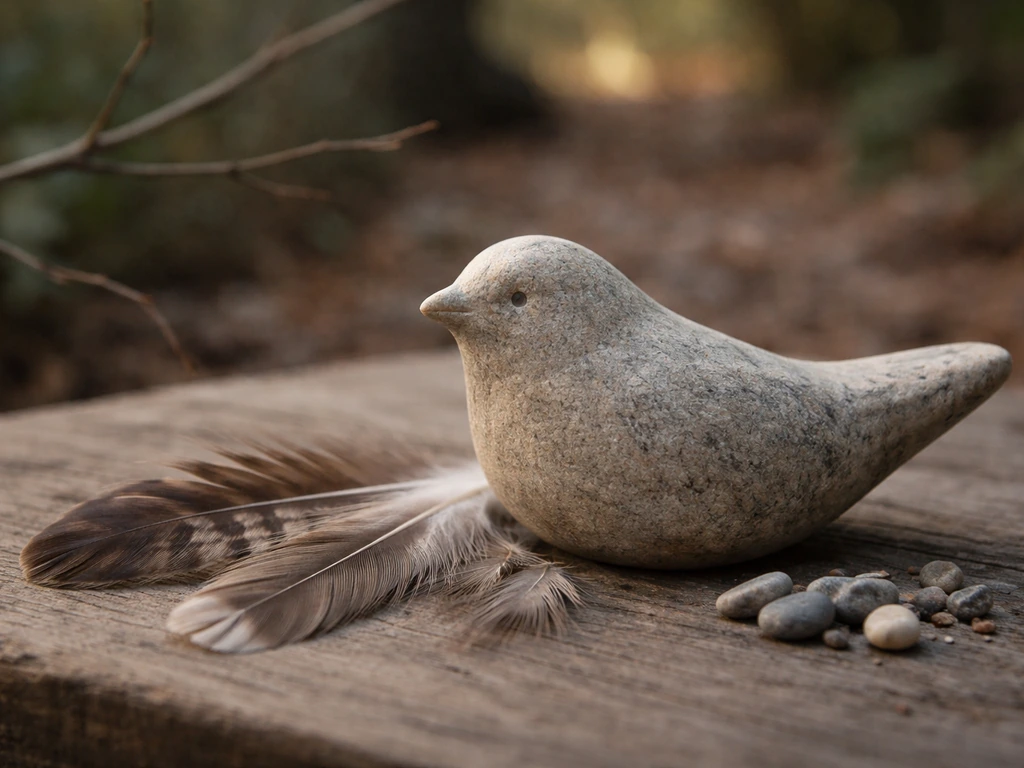
- Natural found rock: A rock or pebble that happens to look like a bird due to erosion, shape, or mineral patterns. Totally ordinary, but people sometimes imbue them with meaning.
- Spiritual or symbolic object: In some folk, New Age, or ceremonial contexts, the phrase is used to describe a stone that carries bird symbolism, often as an amulet or charm believed to carry protective or directional energy.
- Dream element: Occasionally appears in dream interpretation discussions as a symbolic image, usually without any standardized meaning attached to it.
- Disambiguation note: "Birdstone" is also the name of a Thoroughbred racehorse, which is a completely separate context you can safely ignore for symbolism purposes.
Where the phrase shows up: culture, spirituality, and superstition
The clearest historical record ties birdstones to Native American cultures of the Archaic and early Woodland periods, particularly in New York, Ohio, Michigan, and Wisconsin. Many birdstones have been found in graves, which is the basis for interpretations of ceremonial importance. Older scholarship explicitly discussed what was called "the birdstone ceremonial," framing these objects as having ritual significance, though the exact nature of that significance was never settled even then.
A separate but related thread in the archaeological record comes from the Hopewell Culture, where bird-shaped effigies were carved from pipestone and used as ceremonial pipes for smoking tobacco (specifically Nicotiana rustica) during religious practices. That's a documented ceremonial use of bird-shaped stone objects that's historically grounded, even though it's technically a different object category from birdstones proper.
In modern online spaces, the phrase gets pulled into broader spiritual and New Age frameworks. You'll find blog posts using words like "magical" and associating birdstones with healing energy, protection, or omens. These claims circulate widely, but they're mostly layered onto the historical artifact rather than drawn from any documented tradition. It's worth knowing the difference before you put too much stock in a specific claim.
Literal interpretation: natural rocks and bird-shaped stones

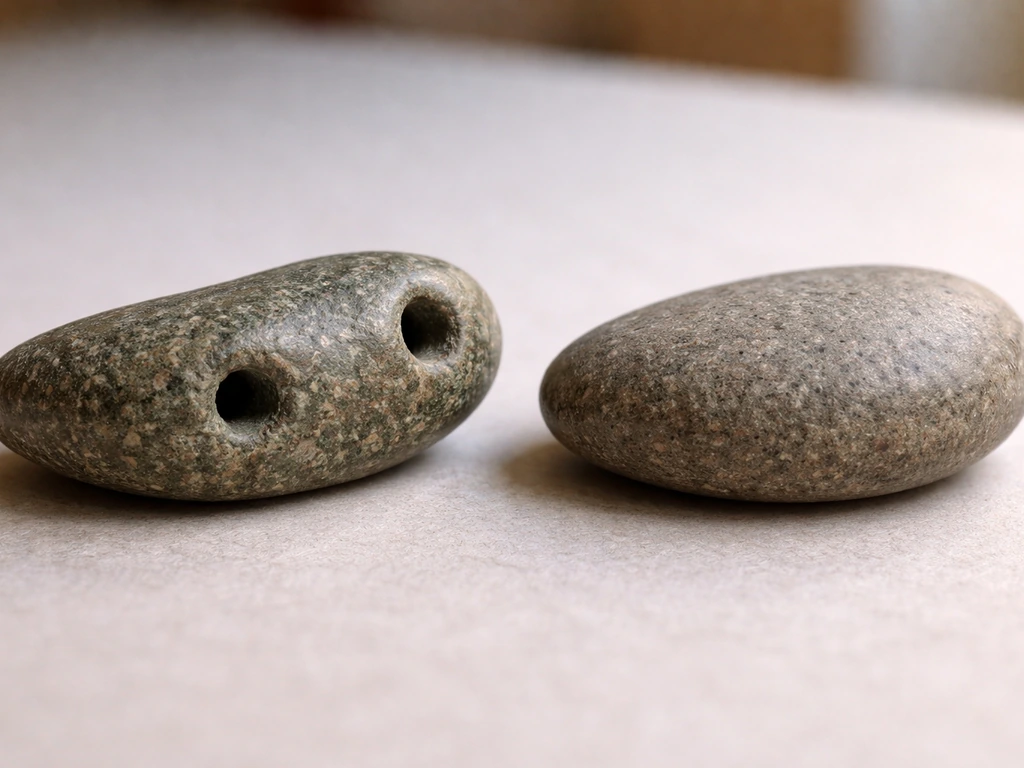
If you found a rock that looks like a bird, you're in genuinely interesting territory, but you need to slow down before calling it a birdstone. Prehistoric birdstone artifacts have very specific physical features. They're typically made from banded slate, often a greenish-gray Huronian variety, though porphyry and other materials were also used. Most importantly, they have two diagonal conical holes drilled through the base, which is the clearest physical marker distinguishing a birdstone artifact from a bird-shaped rock.
If the rock you found has no holes and is just a natural formation, it's almost certainly not a birdstone artifact. It might still be a personally meaningful object, but calling it a birdstone would be a category error. Natural bird-shaped rocks are common and have no standardized symbolic meaning beyond what you choose to bring to them. Geology creates all sorts of suggestive shapes through erosion and mineral banding.
There's also a very real problem with fakes. Collector communities have documented fraudulent birdstone reproductions for decades, and both museums and knowledgeable collectors have flagged the issue. If you suspect you have an actual artifact, take it to a regional archaeology department or a state historic preservation office rather than relying on spiritual attribution or online price estimates.
Spiritual symbolism: what "bird + stone" is said to represent
Even setting aside the artifact question, the combination of bird and stone as symbolic elements carries some consistent threads across multiple traditions. Birds broadly represent freedom, transition, spiritual messages, and the connection between earthly and unseen realms. Stone represents permanence, grounding, ancestral memory, and endurance. Put them together, and you get a symbol that many people intuitively read as: a message or spiritual force that is both transient (like a bird) and lasting (like stone). A bird pendant’s meaning often blends personal symbolism with the broader bird-and-stone associations people already know from “birdstone” talk bird pendant meaning. That's a reasonable interpretive framework, even if it's not drawn from one specific tradition.
The historically grounded ceremonial context for bird-shaped stone objects is tied to prayer, communal ritual, and communication with the sacred, as seen in the Hopewell pipe tradition. What's not grounded in any documented tradition is the modern claim that birdstones carry specific healing powers for specific ailments, or that owning one guarantees good omens. Those are additions layered on by modern interpreters, not received wisdom from the cultures that made these objects.
If you're using a bird-shaped stone in a personal spiritual practice, that's entirely your call. Just be honest with yourself about what's a personal meaning you've developed versus what's a documented cultural or historical claim. Treating your own meaningful interpretation as valid doesn't require pretending it came from a tradition it didn't.
Dreams and omens: what a "bird stone" might mean in those contexts
There's no standardized dream symbolism for "bird stone" as a combined image, despite what some online content implies. If you are wondering specifically about a bird bracelet meaning, online interpretations vary widely and often mix personal symbolism with unverified claims bird stone. If you dreamed about a bird stone or encountered it as an omen, you're working in the territory of personal dream interpretation, not a codified symbolic system. That doesn't mean the dream is meaningless, it just means the meaning comes from your own associations and context rather than from a universal dictionary.
In general dream interpretation frameworks, birds often represent messages, aspirations, or spiritual communication, while stones and rocks often represent foundations, obstacles, or something solid and unmoving. A bird stone in a dream could be read as a symbol of something spiritually significant that is also anchored or permanent, but that reading is constructed, not decoded. Dream interpretation forums sometimes use the phrase casually without any agreed-upon definition behind it.
As an omen in waking life, a bird-shaped rock you stumble upon is the kind of thing that feels meaningful in the moment, and that feeling is worth paying attention to personally. If you are looking for bird bell tota meaning, it is best to treat it as a personal or cultural interpretation rather than a single universally agreed definition. But the track record of specific omen systems that assign guaranteed meanings to found rocks is pretty thin. Treat it as an invitation to reflect rather than a definitive message from the universe.
How to figure out which meaning applies to your situation
Use this checklist to narrow down which interpretation actually fits what you're dealing with.
- Did you find a physical object? Look for the drilled holes. Prehistoric birdstone artifacts almost always have two diagonal conical holes drilled through the base. No holes means it's probably not an artifact, just a naturally shaped rock.
- Is the stone made of banded slate, especially a greenish-gray variety? That's the most common material for genuine birdstones. Unusual or polished gemstone materials point toward a modern piece, not a prehistoric one.
- Did you hear the term in a spiritual or healing context? Ask where that claim comes from. If someone is telling you a "birdstone" has specific healing properties, ask which tradition that comes from and whether any documentation supports it.
- Did it appear in a dream or vision? This is personal symbolic territory. Connect the image to your own associations with birds and stones rather than looking for a universal answer.
- Are you a collector or researcher? Check with a regional archaeology department, a state historic preservation office, or an established museum. Collector forums are a starting point but are also where fakes circulate.
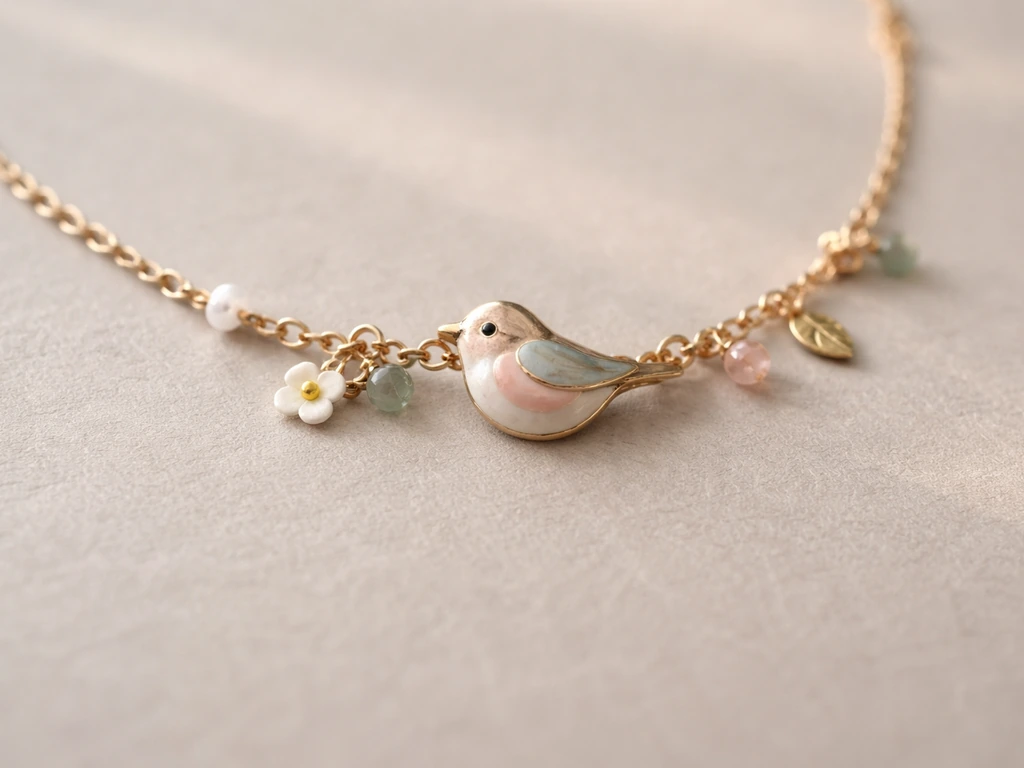
- Did you encounter it in a charm, amulet, or jewelry context? Bird-shaped stone charms and bird pendants have their own symbolic traditions that are distinct from prehistoric birdstone artifacts. The symbolism of bird jewelry tends to draw on broader bird symbolism rather than the archaeological artifact category.
Birdstone vs. charm stone vs. bird pendant: a quick comparison
These terms get conflated online, so it helps to see them side by side. blank" rel="noopener noreferrer">The archaeological term "charm stone" appears in the same interpretive literature as birdstone, and bird pendants and bird charms carry their own symbolic traditions. Bird charm meaning can overlap with bird-and-stone symbolism, but the “charm” side is its own tradition bird charms.
| Object type | Origin | Key physical feature | Documented meaning | Modern spiritual claims |
|---|---|---|---|---|
| Birdstone (artifact) | Prehistoric Native American, Late Archaic/Early Woodland (approx. 1500–500 BCE) | Banded slate, drilled base holes, ~6 inches long | Ceremonial inclusion in graves; possible atlatl weight; function debated | Healing and omens: not historically grounded |
| Charm stone | Various prehistoric cultures; archaeological category | Often ground/polished; sometimes perforated | Uncertain; associated with ceremony or personal use | Often conflated with amulet traditions online |
| Bird pendant/necklace | Varies widely by culture and era | Wearable; depicts bird form | Transition, freedom, spiritual communication | Generally consistent with broader bird symbolism |
| Natural bird-shaped rock | Geological formation | No drilling; random shape | None standardized; personal meaning only | Sometimes attributed spiritual meaning, no evidence base |
If you're interested in bird symbolism through wearable objects, bird charms, bird bracelets, and bird pendants all carry their own rich symbolic histories that are worth exploring separately from the prehistoric artifact category. If you’re asking about a bird necklace meaning, the symbolism usually comes from the bird theme itself and the context you wear it in.
Myths worth dropping: what's not supported by evidence

The internet has layered a lot onto the birdstone that isn't actually there in the historical record. Here are the claims that don't hold up and why.
- Myth: Birdstones are a specific healing gemstone type. They're not a gemstone category at all. They're a prehistoric artifact type defined by shape and manufacturing features, not mineral composition. There's no such thing as a "birdstone crystal" with defined metaphysical properties the way there is for, say, amethyst or obsidian.
- Myth: Finding a birdstone guarantees a specific omen. Even the scholarly literature admits there's no clear agreement on how birdstones were used. Treating an uncertain artifact as a guaranteed omen system goes well beyond what any evidence supports.
- Myth: The spiritual meaning of a birdstone has been passed down in a continuous tradition. Most interpretations circulating online are modern constructions. The cultures that made birdstones did not leave written records of what they meant, and many objects come from field finds rather than secure archaeological contexts.
- Myth: Any bird-shaped rock can be called a birdstone. In both archaeological and collector usage, a birdstone has specific physical characteristics, especially the drilled holes. A rock that looks like a bird without those features is just a rock that looks like a bird.
- Myth: Online sellers with "magical birdstone" listings are selling historically significant objects. The birdstone market has a documented problem with reproductions and fakes. Magical meaning claims attached to these listings are a red flag, not a provenance.
What's actually plausible and worth holding onto
The ceremonial dimension is real, even if the specifics are uncertain. Birdstones genuinely were found in graves and genuinely did matter to the people who made and used them. If you’re specifically wondering about the bird cage necklace meaning, the symbol can shift depending on the materials, design details, and your personal associations Birdstones genuinely were found in graves. The Hopewell Culture's bird-shaped effigy pipes document that bird-shaped stone objects had a place in religious ceremony involving prayer and communal ritual. Those threads of meaning, transition, spiritual communication, something between the earthly and the beyond, are consistent with how birds function symbolically across dozens of cultures. That's a durable symbolic logic even without a decoded instruction manual.
If a bird-shaped stone means something to you personally, that's legitimate. Just be clear with yourself about whether you're working with a documented tradition, a personal framework, or an artifact with genuinely uncertain function. All three are valid starting points. The mistake is confusing one for another, especially when money or a specific spiritual belief is at stake.
FAQ
How can I tell if my “bird stone” is a real birdstone artifact and not just a pretty rock?
Use the physical-check first: a genuine prehistoric birdstone artifact is typically about hand-sized and has two drilled diagonal conical holes through the base. If your object has no holes, it is almost certainly a natural bird-shaped rock or a modern carving, not the historical artifact category called birdstone.
What does “bird stone meaning” mean if my rock has no drilled holes?
If the piece has the bird-like silhouette but lacks the two diagonal drilled holes, treat it as personal symbolism only. Natural erosion and mineral banding frequently create bird-like shapes, and there is no universal, standardized “bird stone” meaning for rocks without the diagnostic drilling.
Do birdstones have specific healing powers or guarantees?
Be careful with “healing,” “protection,” and “guaranteed omen” claims. The historically grounded context is ceremonial use and graves, while specific medical or guaranteed outcomes are modern overlays, so you can respect your personal interpretation without assuming it comes from a particular traditional practice.
What should I do if I suspect my bird stone is an authentic archaeological object?
If you think you might have an artifact, avoid cleaning it aggressively or handling it as a collectible investment. The safest next step is to contact your nearest regional archaeology office or state historic preservation office, and bring photos plus measurements so specialists can assess drilling, material type, and wear patterns without damaging evidence.
Why do people online use “bird stone meaning” for charms, bracelets, and pendants too?
Online listings often blur several terms, including birdstone, bird charm, bird pendant, and related “launcher” or bracelet wording. To interpret correctly, decide whether you are dealing with a prehistoric artifact, a wearable symbol, or a personal charm you use in practice, because each category uses different meaning logic.
How should I interpret “bird stone” in a dream if there is no universal definition?
In dream work, there is no agreed universal dictionary entry for “bird stone” as a combined image. A practical approach is to note what you felt in the dream, what the bird-like shape and the stone-like solidity represented to you, and whether your waking situation involves messages, change, or stability.
If I found a bird-shaped rock as an omen, what’s a good way to use the symbolism without overcommitting?
Treat it as an invitation to reflect rather than a fixed forecast. A helpful method is to write down the moment you found the stone, what you were thinking or needing then, and any immediate action you feel prompted to take, instead of treating the find as an unchangeable prediction.
What’s the most reasonable general interpretation when someone says the bird stone symbol is consistent across traditions?
Yes, but only loosely. Bird and stone symbolism overlaps across cultures, so combining them often reads like a “message that endures” or a “transient spiritual element anchored in reality.” If you want a more disciplined interpretation, keep it framed as general symbol logic plus your personal associations, not as one specific tradition’s rulebook.
Does bird stone meaning change if the object is jewelry instead of a rock or artifact?
Yes. A common mistake is assuming “bird stone” automatically means the historic drilled artifact. If your object is a necklace, bracelet, or pendant, the meaning usually comes from the bird theme plus the materials and how you wear it, not from grave finds or archaeological drilling criteria.
Bird Bracelet Meaning: Symbols, Bird Types, and How to Interpret
Decode bird bracelet meaning by bird type, symbolism, and context cues, with a checklist to verify or debunk myths.