If you searched 'bird law hat,' you most likely landed here because of a hat product referencing the 'It's Always Sunny in Philadelphia' quote, not because you need legal advice about birds. But there are at least three genuinely different things this phrase could mean, and the right answer depends entirely on what you were actually looking for. Let's sort that out fast.
Bird Law Hat Meaning and Next Steps: Legal, Product, or Symbol

Marcus Holloway
9 Jun 2026
What 'bird law hat' could actually mean
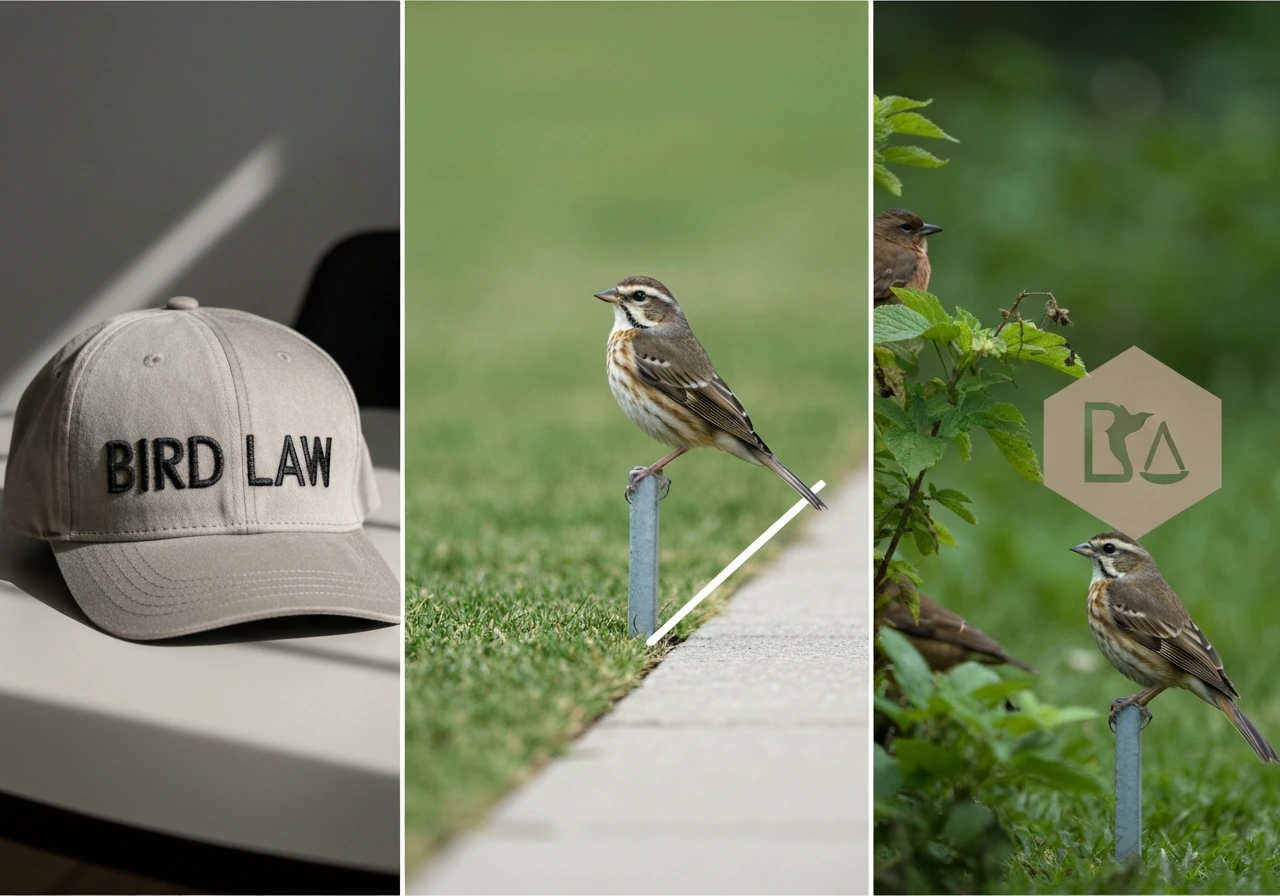
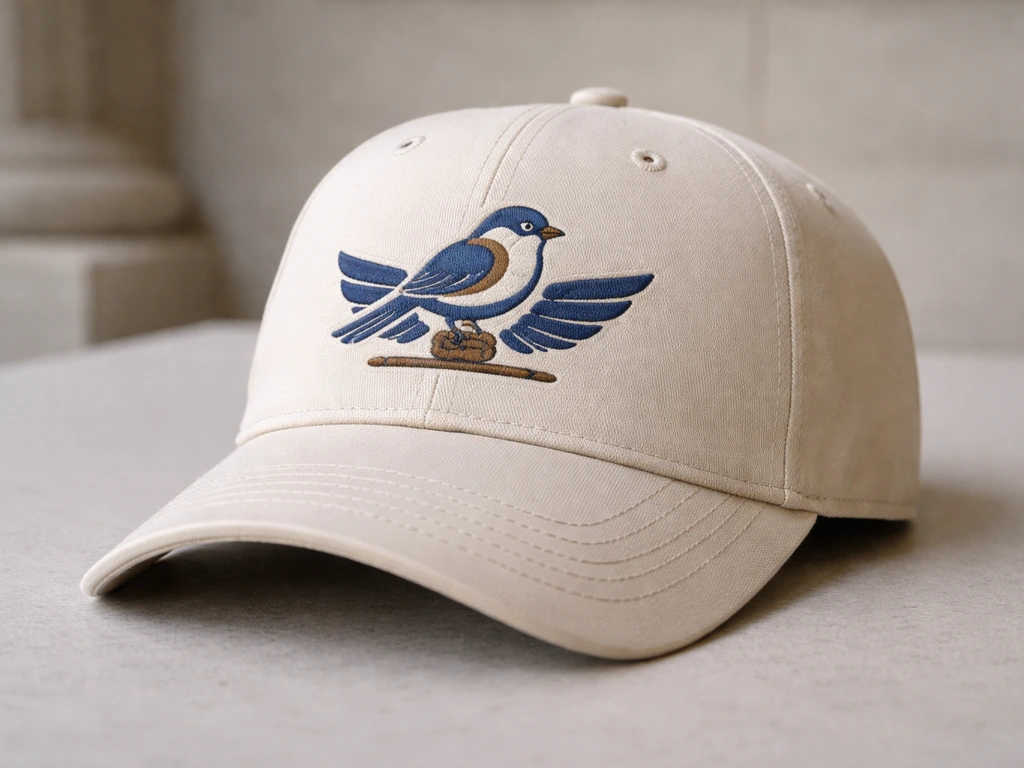
The phrase splits into three pretty distinct territories. First, there's the pop-culture product angle: 'bird law' is a well-known meme phrase from the TV show 'It's Always Sunny in Philadelphia,' where the character Charlie Kelly claims to be an expert in 'bird law,' famously insisting that 'bird law in this country is not governed by reason.' That quote spawned a wave of merchandise, including hats. A quick look at platforms like TeePublic turns up a 'School of Bird Law Hat' with that exact quote on it, and separate listings on sites like Dad Brand Apparel sell a 'Bird Law Dad Hat' (navy blue, 6-panel cotton, adjustable strap, embroidered 'BIRD LAW' text) for around $33. TeePublic’s listing for the "School of Bird Law Hat" includes the Charlie Kelly description "Bird law in this country is not governed by reason," tying the phrase directly to the meme context A quick look at platforms like TeePublic turns up a 'School of Bird Law Hat' with that exact quote on it. Second, 'bird law hat' could mean the actual legal framework around birds, with 'hat' being metaphorical, as in 'putting on the bird-law hat' when dealing with a bird-related situation on your property. Third, and very much in the wheelhouse of this site, someone might be looking for the symbolic or spiritual meaning tied to birds and the concept of law, order, or justice. All three are worth unpacking.
Quick check: which meaning do you actually need?
Before going further, run through this checklist. Your answer to most of these will point you in the right direction immediately.
- Are you looking to buy a hat with 'bird law' printed or embroidered on it? If yes, you want the product section below, and your best search terms are 'bird law dad hat,' 'School of Bird Law hat,' or 'It's Always Sunny bird law merch.'
- Did you see a hat like this worn by someone and want to understand the joke or reference? That's the pop-culture/slang angle, and the answer is the 'It's Always Sunny in Philadelphia' Charlie Kelly meme.
- Are you dealing with birds nesting on your property, being asked about permits, or wondering what's actually legal? You want the real bird law section.
- Did you come across 'bird law hat' in a spiritual, dream, or folklore context? Then you're looking for symbolic interpretation.
- Are you unsure which it is? The pop-culture merchandise meaning is by far the most common search intent right now in 2026, so start there.
If you're dealing with real bird regulations: what actually matters
Actual bird law in the United States is primarily governed by the Migratory Bird Treaty Act (MBTA), which protects most native migratory birds from being killed, captured, sold, or disturbed without a federal permit. This covers over 1,000 species. The key things to understand practically are: who is protected, when protections kick in hardest, and what you're allowed to do without a permit.
Who and what is protected
- Most native songbirds, raptors, shorebirds, and waterfowl fall under federal MBTA protection. House sparrows, European starlings, and rock pigeons (common city pigeons) are notable exceptions and are not protected under the MBTA.
- Threatened and endangered species (like bald eagles and certain owls) carry additional protections under the Endangered Species Act, with much stricter penalties.
- Eggs and active nests are protected too. Disturbing or removing an active nest with eggs or chicks is a federal offense for protected species, regardless of where the nest is built, including on your own property.
- State laws can add another layer. Some states protect species the federal law doesn't, and local ordinances vary widely.
When timing matters most
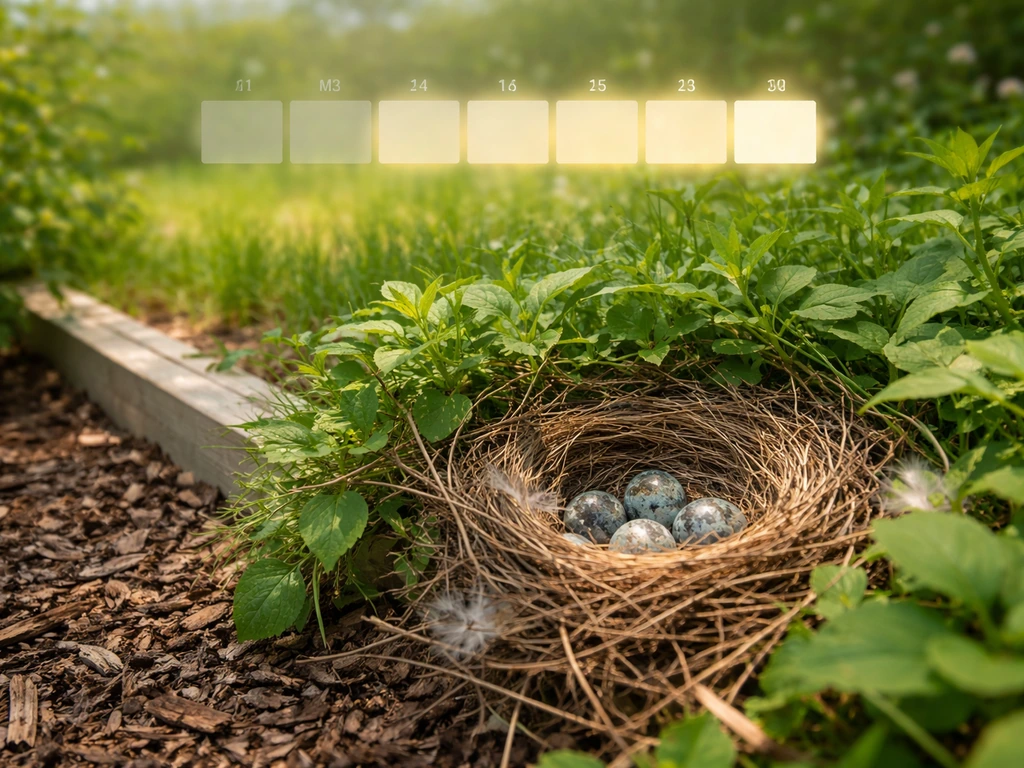
Spring and early summer (roughly March through July in most of the U.S.) is peak nesting season. This is when you're most likely to find an active nest in an inconvenient location, and it's also when protections are most relevant. If you find a nest that's already active (eggs or chicks present), the practical and legal path is usually to wait it out. Most songbirds fledge within 2 to 4 weeks of hatching. Interfering before then puts you in a gray area legally and is unnecessary in most cases.
Permits and what you can do without one
You generally do not need a permit to deter birds from nesting on your property before a nest is established. Installing physical deterrents, reflective tape, netting, or spikes before nesting begins is typically fine. Once a nest is active with a protected species, you need a permit from the U.S. Fish and Wildlife Service to legally remove or relocate it. Permits are issued in situations like safety hazards or construction needs, but they require documentation and take time. The U.S. Fish and Wildlife Service regional offices handle this, and your state wildlife agency is also a good first call.
Practical steps for handling birds on your property right now
- Identify the species first. Use a field guide app like Merlin (free from Cornell Lab) or iNaturalist to photograph and identify the bird. Knowing whether it's a protected species changes everything.
- Check if the nest is active. Active means eggs or live chicks are present. If the nest is empty or abandoned (no activity for several days), removal is generally permissible.
- If nesting is about to start but hasn't, act now. Block access points, install deterrents, or remove partially built nests before the first egg is laid.
- If the nest is active with a protected species, wait it out or contact your state wildlife agency. Most nesting cycles wrap up within a month.
- If you have a genuine safety or health issue (disease risk, structural damage, commercial operation), contact the U.S. Fish and Wildlife Service about a permit. Have photos and documentation ready.
- Document everything. Photos with timestamps protect you if a complaint is ever filed.
If you're looking for the actual 'bird law hat' product
The most widely available 'bird law hat' products are unambiguously pop-culture merchandise tied to the 'It's Always Sunny in Philadelphia' fandom. The 'Bird Law Dad Hat' on Dad Brand Apparel is a navy blue, 6-panel cotton adjustable hat with 'BIRD LAW' embroidered on the front, priced at $33. TeePublic's 'School of Bird Law Hat' leans more explicitly into the meme, using the full Charlie Kelly quote. Both are legitimate merchandise options, not obscure items.
To find the right product, your best approach is to search the specific phrase in quotes on the platform you prefer. TeePublic, Redbubble, Etsy, and Amazon all carry variations. If you want the closest thing to 'official' merch, check whether FX or the show's official store has licensed products. Third-party fan merch is widely available but quality varies. Check reviews for embroidery and material quality before buying, since print-on-demand hats range from solid to mediocre.
How to identify what you saw and where to get it
- If you saw someone wearing the hat and want to identify it: reverse image search the hat or search 'bird law embroidered hat' alongside any color detail you remember.
- If you want to understand the joke on the hat before buying: the reference is Charlie Kelly from 'It's Always Sunny in Philadelphia,' who claims expertise in 'bird law,' a fictional and absurd legal specialty. The humor is that he's completely unqualified but extremely confident.
- If you want to verify a listing is legitimate: check seller ratings, look for clear product photos showing embroidery quality, and confirm return policies before purchasing.
- If price matters: these hats typically run $25 to $40 on most platforms as of mid-2026.
The symbolic and spiritual angle: birds, law, and what it could mean
If you came here because 'bird law hat' felt meaningful in a dream, a cultural context, or a superstition you encountered, there's actually a rich tradition connecting birds with justice, law, and order. If you meant bird law and order in the legal sense, the next step is to identify the species and whether any federal protections apply law, and order. Across many cultures, certain birds have long been associated with divine judgment and cosmic order. The Egyptian deity Ma'at, who governed truth and justice, was often depicted with an ostrich feather. Owls are almost universally linked to wisdom and discernment, traits closely tied to judicial thinking. Ravens appear in Norse mythology as messengers of Odin, a figure associated with wisdom and fate. The phrase 'bird law' in a symbolic or spiritual context could be pointing toward a need to apply discernment, follow natural order, or pay attention to an authority or rule that feels irrational on the surface but has deeper logic.
The 'hat' element, symbolically, usually signals a role or identity being put on or taken off. A 'bird law hat' in a dream or symbolic reading might suggest stepping into a role as a mediator, judge, or authority in a situation involving something untamed or free-spirited (the 'bird' element). It could also suggest approaching a chaotic or emotionally charged situation with deliberate reasoning.
How to verify a symbolic or spiritual claim
This is where it pays to be a little skeptical. A lot of 'bird symbolism' content online is invented or blends traditions in ways that strip out their original context. If you're trying to fact-check a symbolic claim about birds and law or justice, here's how to approach it honestly. Look for the cultural tradition the claim comes from. A claim like 'owls represent justice in Celtic tradition' should be traceable to specific Celtic texts or documented oral traditions, not just New Age wellness content. Cross-check with ornithological behavior: many bird symbolic meanings do have a root in actual bird behavior (owls being nocturnal predators with excellent vision does track with 'seeing through darkness' symbolism). If a symbolic meaning contradicts observable bird behavior entirely, treat it with more skepticism. For dream interpretation, the most grounded approach is to consider what birds and law personally mean to you, since personal associations carry more weight in most interpretive frameworks than generic symbol dictionaries.
Putting it all together: your next steps
Most people searching 'bird law hat' today are looking for pop-culture merchandise tied to the 'It's Always Sunny in Philadelphia' meme. If that's you, search 'bird law dad hat' or 'School of Bird Law hat' on TeePublic, Etsy, or Amazon, expect to spend around $25 to $40, and check embroidery quality reviews. If you're dealing with an actual bird situation on your property, identify the species first, check for an active nest, and contact your state wildlife agency or the U. If your question ends up being about bird law, the key details often come down to federal wildlife rules and permit requirements. Bird rights meaning generally refers to what protections and legal responsibilities apply to birds, including rules about harming, disturbing, or removing them. S. Fish and Wildlife Service if you need to act immediately. If you're exploring the symbolic side, look for culturally grounded sources tied to specific traditions rather than generic symbolism sites, and cross-reference with actual bird behavior where you can.
The slang and meme dimension of 'bird law' is closely connected to topics like the 'bird law is not governed by reason' phrase and what 'bird rights' means in slang and internet culture. Those threads are worth exploring if you want the full picture of how 'bird law' became such a persistent pop-culture shorthand, and how it occasionally bleeds into genuine conversations about real wildlife regulations in a way that causes real confusion.
FAQ
How do I know whether my situation requires a permit, even if the bird is just nesting on my property?
If you mean the actual legal rules, start by identifying the species and whether there is an active nest (eggs or chicks, or clear nesting behavior). The permit requirement hinges on whether you are disturbing or removing an active nest, not on whether the bird is “common” or “a nuisance.”
What if it is not March through July, but I still see a nest, what should I do?
Spring is peak for nesting, but nesting can extend outside March to July depending on location and species. If you see repeated return visits, nest building, or unattended eggs, treat it as “active” and pause any removal attempts until you confirm status with your state wildlife agency.
Is it ever legal to move a nest or relocate birds myself to avoid a permit?
“Relocate” is often the most legally sensitive action. Even when people intend to do the bird a favor, moving nests or trapping birds can trigger federal and state enforcement. In practice, agencies usually prefer prevention steps that do not involve touching an active nest.
Can I use spikes, netting, or reflective tape anytime, or only before birds show up?
Deterrence before a nest is established is usually the safer path, but timing still matters. If birds start nesting after you install deterrents, you may effectively have created a late-stage disruption problem, so reassess and stop once nesting is confirmed.
Does the fact that a bird is common mean MBTA does not apply?
MBTA coverage generally includes many native migratory species, even if they are not rare. Do not assume you are safe because a bird is “not endangered,” the rule is about whether it is migratory and protected, which can include over a thousand species.
What should I do if birds are creating an immediate safety problem, like blocking an air intake or near wiring?
If there is an immediate safety hazard (for example, birds causing electrical risk), document what is happening (photos, dates, exact location) and contact the appropriate agency before acting. Agencies may authorize time-limited steps, but doing it first can create liability even with good intentions.
What if I find an injured bird or baby bird, can I just relocate it?
If you find an injured bird, many people assume a wildlife rehab permit is required only to possess it, but handling and transporting can still be regulated. The practical next step is to contact a licensed wildlife rehabilitator or your state agency before attempting capture.
Are “Bird Law” hats officially licensed, and how can I tell if quality is likely to be good?
For product purchases, “unofficial” does not necessarily mean “fake,” but it does mean licensing varies. To reduce the risk of buying an unauthorized design, check whether the seller references licensing, and read reviews specifically mentioning embroidery durability and stitching quality, since print-on-demand hats can vary.
What details should I check on a “bird law hat” listing to avoid low-quality embroidery?
If you are comparing listings, focus on details that affect wear: fabric weight (cotton thickness), closure type (adjustable strap versus snapback), and the embroidery method (embroidered text holds up better than screen prints). Reviews that mention “washing” or “stitching coming loose” are especially useful.
How can I fact-check symbolic claims about birds representing justice or law?
Symbolic interpretations can drift into claims that are not anchored to a specific tradition. A good test is whether the meaning points to a named culture, text, or well-documented practice, and whether the bird traits invoked (nocturnal vision, predation, migration) align with observable behavior.
If I had a “bird law hat” dream, how should I interpret it in a way that is not just generic symbolism?
For dream meanings, generic symbol dictionaries can be misleading. Instead, note the specific “role” you felt in the dream (judge, protector, mediator) and the bird behavior (attacking, nesting, flying away), then map that to what is “untamed” or “chaotic” in your waking life.
Next Article
Bird Rights Meaning Explained: Legal and Everyday Use
Plain-English bird rights meaning, legal vs everyday use, myths debunked, plus steps to find local help.