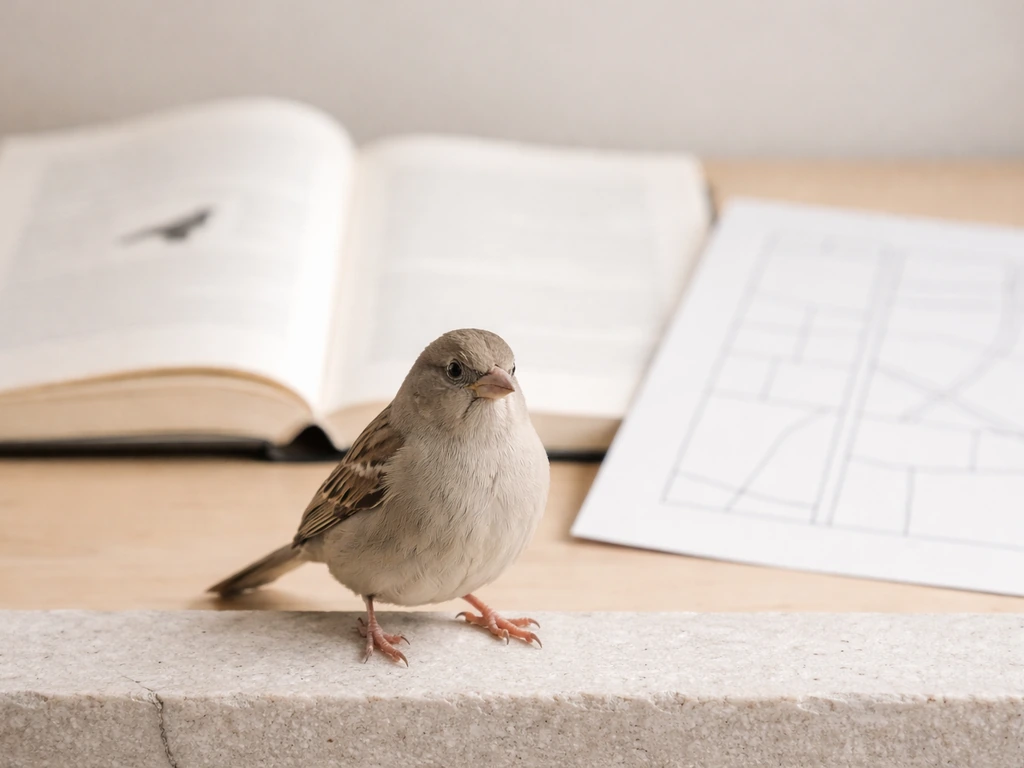
"Bird rights" most commonly refers to the legal protections and advocacy frameworks designed to protect wild and captive birds from harm, habitat destruction, and exploitation. In everyday use, it can also pop up rhetorically or humorously, but when people search this phrase seriously, they usually want to know: what laws protect birds, what does an organization mean when it advocates for bird rights, and does any of this connect to the spiritual or symbolic meanings of birds? The short version is that bird rights in a legal and advocacy sense is real, grounded in federal law, and has practical consequences for what you can and cannot do around birds today.
Bird Rights Meaning Explained: Legal and Everyday Use

Marcus Holloway
20 May 2026
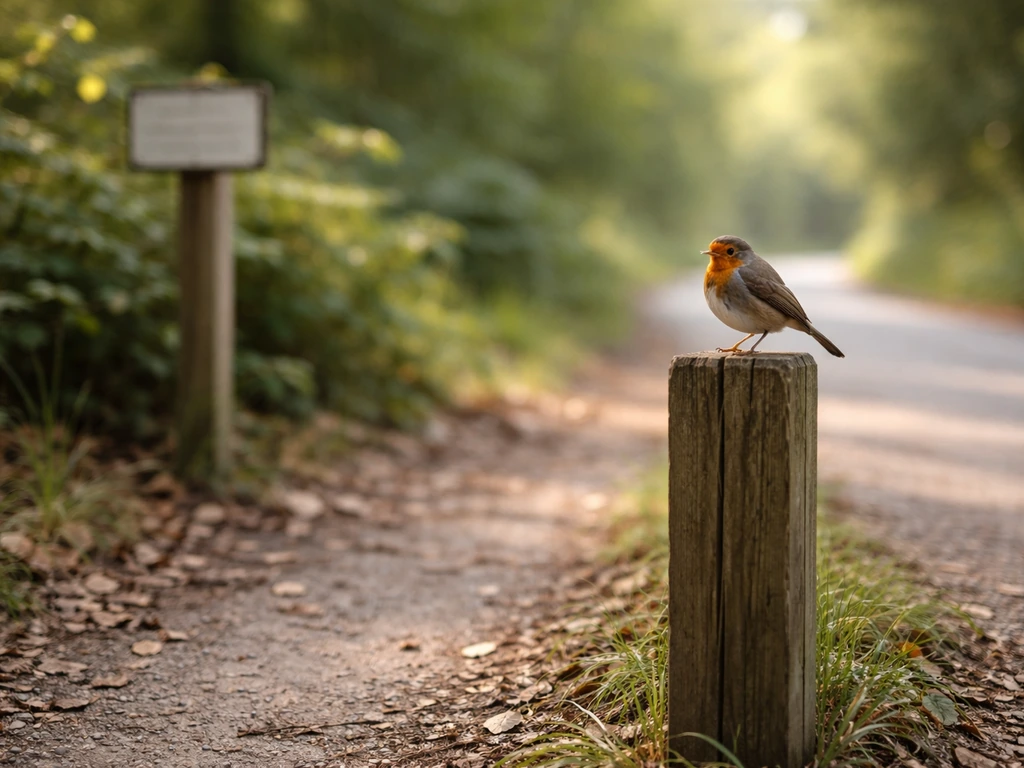
What "bird rights" means in plain English
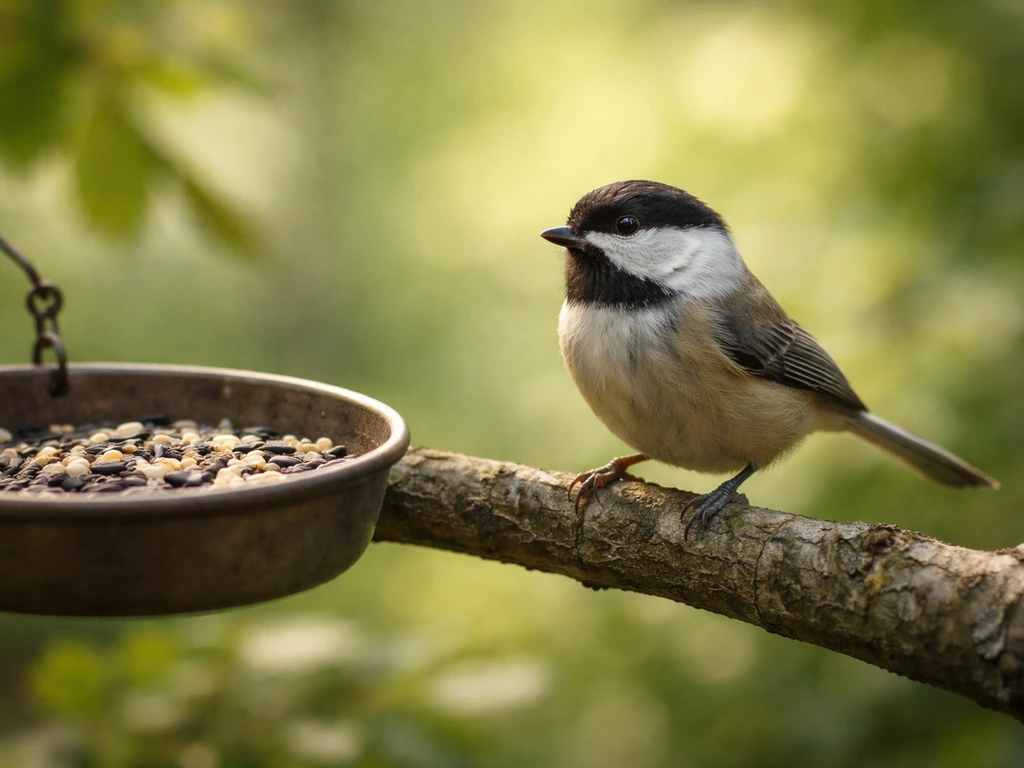
"Bird rights" is not a single official legal term, but it functions as an umbrella phrase for the idea that birds deserve certain protections from human interference. In formal contexts, this means enforceable laws that restrict killing, capturing, disturbing, or harming birds and their habitats. In advocacy contexts, it can mean pushing for stronger protections, humane treatment of captive birds, or conservation of endangered species. In casual conversation, people sometimes use it sarcastically or philosophically, asking whether birds "deserve" rights the way humans or even pets do. Understanding which context someone is using matters a lot, because the answer looks very different depending on the frame.
Where you'll actually see "bird rights" show up
In U.S. federal law
The most concrete version of bird rights in American life is baked into two major laws. The Migratory Bird Treaty Act of 1918 (MBTA) is the primary federal legislation protecting native birds in the United States. Under Section 703(a) of the MBTA, it is unlawful to "take" a migratory bird, or its nest or eggs, without authorization.
blank" rel="noopener noreferrer">Maryland DNR notes that the Migratory Bird Treaty Act is the primary legislation protecting native birds in the United States and that it bars the “taking” of migratory birds, including nests and eggs.
"Take" is defined broadly and includes killing, capturing, pursuing, and even possessing birds or their parts. This covers the vast majority of wild bird species you'd encounter in North America. The second major law is the Endangered Species Act (ESA), administered by the U. S.
Fish and Wildlife Service (FWS). Under ESA Section 9(a)(1), no person, public or private, can "take" an endangered species of fish or wildlife.
For birds specifically listed as endangered or threatened, this creates an additional layer of protection that includes critical habitat, meaning the places birds need to survive are also legally shielded.
In advocacy and animal welfare circles

Beyond law, "bird rights" appears regularly in the language of animal welfare organizations, birding communities, and conservation groups. Here, the phrase is used to argue for stronger protections for captive birds (parrots, for example, are highly intelligent animals kept as pets under conditions critics describe as inhumane), to oppose practices like feather trade and live bird markets, and to push for habitat preservation. Organizations like the American Bird Conservancy or local Audubon chapters use this kind of framing when lobbying for policy changes or community action.
In everyday and informal use
You will also encounter "bird rights" used humorously or rhetorically online and in conversation. It shows up in memes, in debates about urban wildlife ("do pigeons have rights? People sometimes search "bird law" on Urban Dictionary as a shortcut for understanding how these rules show up in everyday urban life. "), and occasionally in political satire.
On platforms like Reddit, the phrase sometimes references the fictional concept of "bird law" popularized by the TV show It's Always Sunny in Philadelphia, where the joke is that bird law is made-up and absurd. If you've come across bird rights in that context, it's comedy, not legal commentary. That said, some of those online conversations do branch into genuine questions about animal rights philosophy.
Bird rights in practice: what the key principles actually mean

When people talk about bird rights in a real-world sense, a few core principles keep coming up. Here's what they actually mean day to day:
- Protection from killing and capture: Under the MBTA, you cannot kill, capture, or even possess a migratory bird (including feathers, eggs, or nests) without a federal permit. This applies to the vast majority of wild birds in the U.S. Finding a feather and keeping it in a jar can technically be illegal depending on the species.
- Habitat protection: The ESA protects not just listed birds themselves but their critical habitat, meaning land or water areas essential for their survival. Development projects that would destroy nesting grounds for a listed species can be blocked or modified.
- Nest disturbance rules: The MBTA's prohibition on "taking" includes disturbing active nests. If you find an active nest on your property, you generally cannot remove it while birds are using it. Many homeowners learn this the hard way during spring renovation season.
- Humane treatment of captive birds: While not always covered by the same laws, advocacy for captive bird welfare focuses on species-appropriate care, space requirements, and prohibiting cruel practices like clipping wings purely for convenience.
- Reporting and intervention: Bird rights in a practical advocacy sense also means ordinary people have a responsibility to report injured birds to wildlife rehabilitators, document illegal poaching, and avoid actions that degrade bird habitat even unintentionally.
What bird rights is not (clearing up the misconceptions)
One of the most common misconceptions is that "bird rights" is purely symbolic, spiritual, or metaphorical. Because birds carry enormous symbolic weight across cultures (think the dove as peace, the owl as wisdom, ravens as omens), people sometimes assume that any talk of bird rights is really about cultural meaning or spiritual belief. It isn't. The legal and advocacy use of this phrase describes enforceable rules and real-world consequences. Getting confused between the two can cause genuine harm, like assuming that a "protected" bird in a spiritual sense translates into actual legal protection when it may not.
Another misconception is that bird rights is a fringe or silly concept, mostly because of the satirical "bird law" meme that circulates online. If you’re trying to figure it out from meme-level talk, a quick search for “bird law Reddit” can point you to real discussions and questions people are asking about the MBTA. The MBTA has been in force since 1918. Violations carry federal penalties. This is not a joke. If you have seen the “bird law and order” meme, it is usually pointing back to the idea that real bird protections exist and have enforceable rules.
A third misconception is that these protections only matter for endangered or rare birds. In fact, the MBTA covers most wild bird species in North America regardless of their conservation status. Common birds like robins, sparrows, and swallows are protected under the MBTA just like rarer species.
How to take action today
If you want to act on bird rights, whether that means knowing your legal obligations, reporting a problem, or getting involved in advocacy, here is where to start:
- Check the U.S. Fish and Wildlife Service website (fws.gov) for the official list of migratory birds protected under the MBTA and for information on ESA-listed bird species in your area. The FWS also has a permit system for activities that would otherwise violate the MBTA.
- If you find an injured bird, contact a licensed wildlife rehabilitator. The National Wildlife Rehabilitators Association (nwrawildlife.org) has a directory. Do not attempt to care for a wild bird yourself without guidance; it may actually be illegal to possess certain species without a permit, even with good intentions.
- To report illegal activity involving birds, such as poaching, illegal trapping, or nest destruction, contact your local U.S. Fish and Wildlife Service office or call the FWS tip line. Your state wildlife agency is also a resource.
- If you're concerned about a bird nest on your property during construction or landscaping, consult your state's fish and wildlife agency before disturbing it. Many states have their own additional protections on top of federal law.
- For captive bird welfare concerns (a neighbor keeping a parrot in poor conditions, for example), contact your local animal control or humane society. For large-scale or commercial situations, organizations like the Humane Society of the United States handle advocacy and reporting.
- Get involved locally by connecting with your regional Audubon Society chapter or a local birding club. These groups actively monitor bird populations, advocate for habitat protection, and can point you toward community science projects like eBird where your observations contribute to real conservation data.
Keeping symbolism and real-world rights in their own lanes
Birds are probably the most symbolically loaded animals on the planet. Cultures from every continent have assigned meaning to birds: spiritual messengers, omens, guides for the dead, representations of freedom or danger. That symbolic tradition is rich, legitimate, and worth exploring deeply. But it has essentially nothing to do with legal protections for birds, and mixing the two causes confusion that can actually hurt birds.
A real example of how this goes wrong: someone might believe a crow or raven visiting their yard is spiritually significant and therefore "protected" in a meaningful way, without realizing that their behavior around that bird (say, feeding it in ways that make it dependent, or capturing it to keep as a spiritual companion) may violate federal law. Conversely, someone might dismiss concerns about a bird nesting in their yard as superstition or sentiment, not realizing there's an actual legal protection in play.
The rule of thumb I'd suggest is this: treat symbolism and legal rights as parallel frameworks that occasionally apply to the same bird at the same moment, but never assume one substitutes for the other. A bird can be spiritually significant in your tradition and also legally protected under the MBTA. Those two facts coexist without contradiction. The symbolic meaning of a hawk in a dream has no bearing on whether you're allowed to disturb a hawk's nest in your backyard. And a bird being "common" or not appearing in any spiritual tradition you know does not mean it lacks legal protection.
If you've landed on this topic while also exploring the more satirical side of bird-related concepts online, such as the "bird law is not governed by reason" meme or discussions of fictional bird legal systems on platforms like Reddit, it's worth knowing those are entirely separate threads. They're fun to explore as cultural phenomena, but they belong in a different conversation from the real legal framework that governs how humans interact with wild birds today.
A quick comparison: legal protection vs. symbolic protection
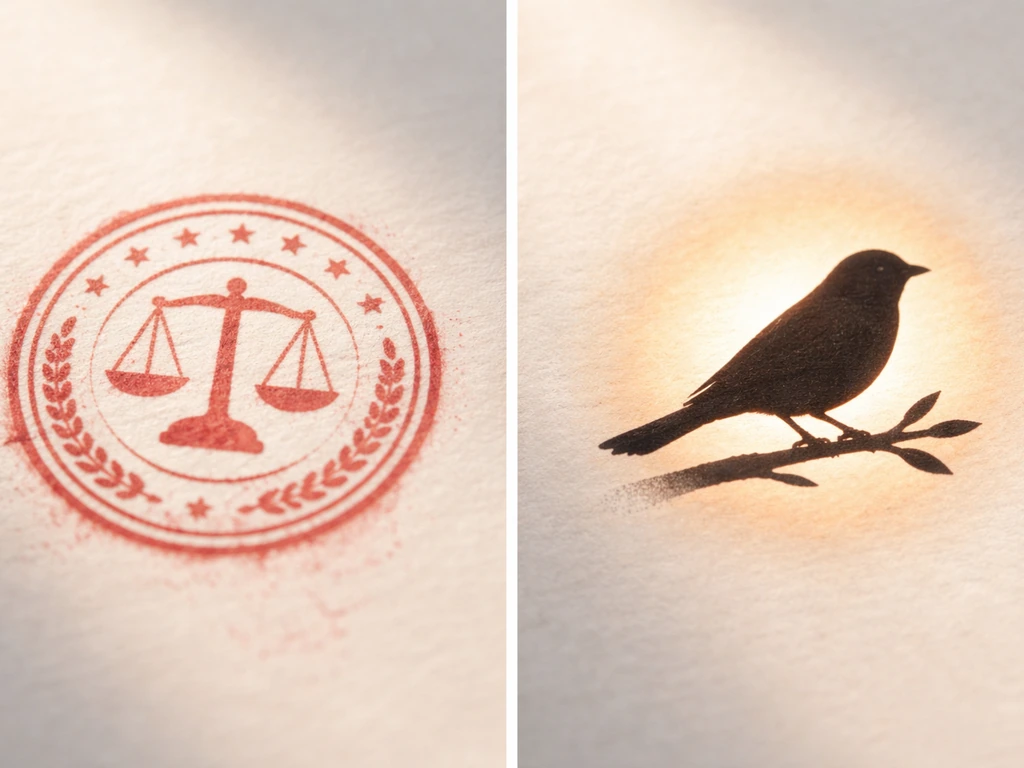
| Aspect | Legal/Advocacy Bird Rights | Symbolic/Spiritual Bird Meaning |
|---|---|---|
| Source | U.S. federal and state law (MBTA, ESA) | Cultural tradition, mythology, dream interpretation |
| Who it applies to | Everyone in the jurisdiction, legally binding | Individuals who find meaning in a tradition; no legal force |
| Consequences for violation | Federal penalties, fines, possible prosecution | None legally; personal or spiritual consequences only |
| Examples | Cannot disturb active nest of a migratory bird; cannot kill an ESA-listed bird | Owl symbolizes wisdom; crow signals change; hawk means focus |
| Where to learn more | FWS, Cornell Law, state wildlife agencies | Cultural texts, folklore, spiritual traditions, this site |
| Can they coexist? | Yes, the same bird can be both legally protected and symbolically meaningful | Yes, see above |
The bottom line is that bird rights, in the sense most people need to act on today, is a real and consequential area of law. It protects most wild birds you'll ever encounter, it comes with enforceable rules, and there are clear resources to consult when you need guidance. That doesn't make bird symbolism any less meaningful. It just means the two conversations need to stay honest about what they are.
FAQ
If “bird rights” is real law, how do I know whether a specific bird I see is actually protected?
You cannot reliably tell whether an act is legal just by asking whether a bird is “rare” or “protected” in a spiritual sense. For U.S. bird rules, the practical check is whether the bird is a native migratory species and whether your action counts as “take” (which includes killing, capturing, pursuing, and possessing). If you are not sure, treat it as legally sensitive and confirm before acting, especially with nests and eggs.
What should I do if a bird is nesting on my property and I’m worried about safety or damage?
If you find an active nest or eggs, avoid removing, relocating, or even “just checking” too closely, because disturbance can trigger a “take” violation under the Migratory Bird Treaty Act framework. The safest approach is to keep distance, limit disruption, document with photos from far away, and contact local wildlife officials or a permitted wildlife professional if there is a safety issue.
Do “bird rights” restrictions mean I can’t feed birds or help them in my yard?
For backyard situations, feeding birds is usually legal, but the risk comes from actions that cause harm or dependency. Common trouble spots include handling birds, trapping them to relocate them, using harmful pesticides that kill them indirectly, or keeping wild birds as pets. If you want to help, use bird-safe practices like reducing window collisions (screens or decals) and choosing safer landscaping.
What if I find an injured wild bird, can I pick it up and care for it myself?
Contacting birds is not the same as “owning” them, but under the MBTA concept of “take,” capturing, possessing, or moving certain birds can be unlawful without authorization. Even handling a sick or injured wild bird can be risky if you try to keep it yourself. Generally, the better first step is to call a licensed wildlife rehabilitator or appropriate local agency for guidance.
How does bird rights change if the bird is endangered or has critical habitat protections?
The ESA layer applies only to birds that are specifically listed as endangered or threatened, plus the protective rules extend to certain habitats labeled as critical habitat. That means you might be facing MBTA protection alone for common species, but both MBTA and ESA constraints for listed species. If you are in an area where endangered birds are known to occur, your compliance burden is higher.
Can I accidentally violate bird rights during construction or landscaping even if I’m not trying to hurt birds?
Violations can happen through indirect actions, not only direct harm. Examples include demolishing or disturbing habitat during nesting season, using certain equipment or work practices that disturb birds, or storing and moving bird parts without authorization. If you do construction, landscaping, or tree removal, plan for nesting season and get guidance if birds are actively present.
In advocacy discussions, what does it mean to “support bird rights” without assuming it’s the same as human constitutional rights?
A key distinction is that “bird rights” does not always mean a bird has an individual right like a person does, and it does not automatically override every human activity. Many obligations are rule-based (for example, restrictions on “take,” and limits tied to listed species). If you want to advocate, the most effective route is to focus on specific practices and policy targets rather than arguing that birds have human-style rights in all contexts.
Are federal bird-rights rules enough, or do I also need to worry about state and local laws?
The MBTA and related enforcement can interact with other rules (state wildlife laws, local ordinances, and permits for specific activities). Confusion often comes from people relying on one layer only, like assuming “local city rules” cover everything. For serious cases, verify the relevant federal rule and then check state and local requirements.
How can I tell whether an online “bird law” discussion is actually referring to the real MBTA rules?
The “bird law” meme is fictional, but it sometimes leads people to ask real MBTA questions. A useful decision aid is to separate your goal: if you want comedy, enjoy it, but if you want to act legally, focus on whether your situation involves migratory birds, nests or eggs, and whether your action could be considered “take.”
Next Article
Bird Law Is Not Governed by Reason: What It Really Means and Next Steps
Unpack “bird law not governed by reason,” separate myth from real rules, and get step-by-step actions for your area.