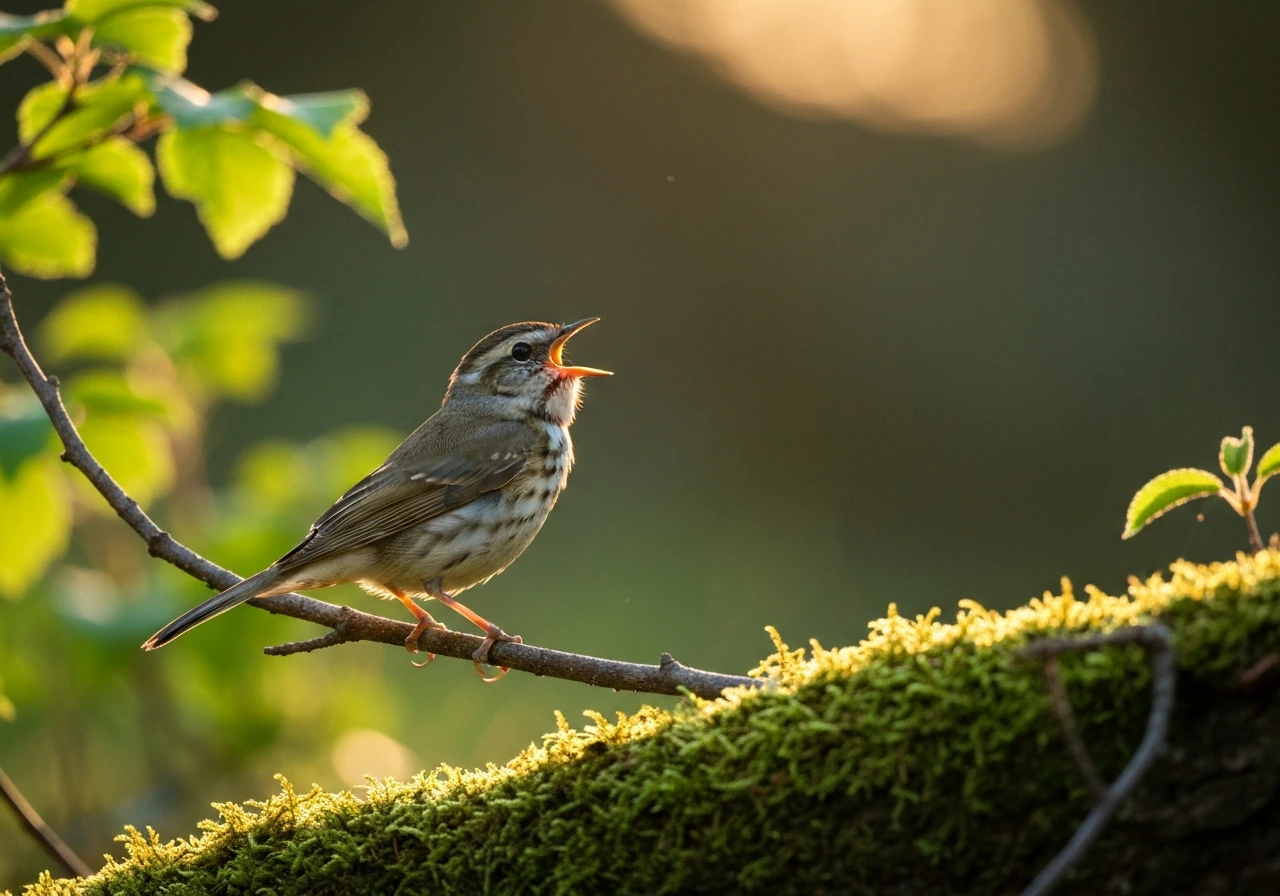
When someone says 'bird call' with a slangy or symbolic edge, they usually mean one of three things: a literal bird sound they heard and want to decode, a piece of folklore or superstition attached to that sound, or a colloquial expression using 'bird call' as shorthand for a warning, signal, or omen. The fastest way to sort this out is to figure out which context you're in, because the 'meaning' changes completely depending on whether you're talking ornithology, cultural tradition, or internet slang. If you’re wondering about bird tweeting specifically, the same context rules help you interpret whether it’s a literal sound, a symbolic belief, or slang bird tweeting meaning.
Bird Call Meaning Slang: How to Decode It Fast

Marcus Holloway
27 May 2026
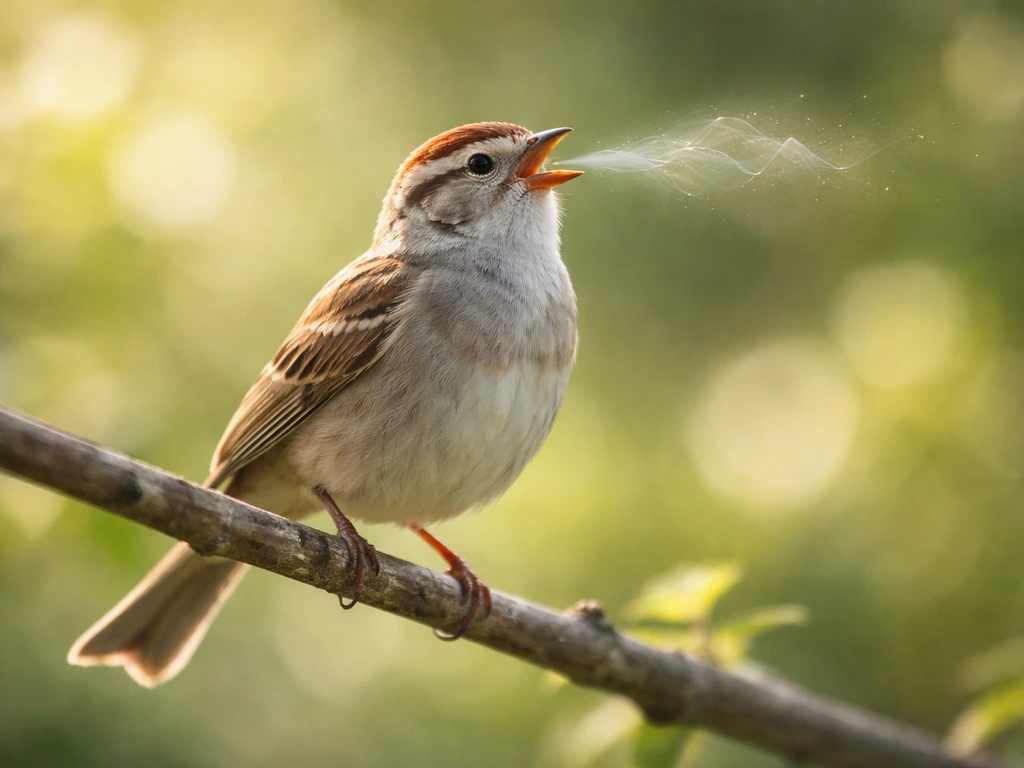
Literal, symbolic, or slang: which one are you dealing with?
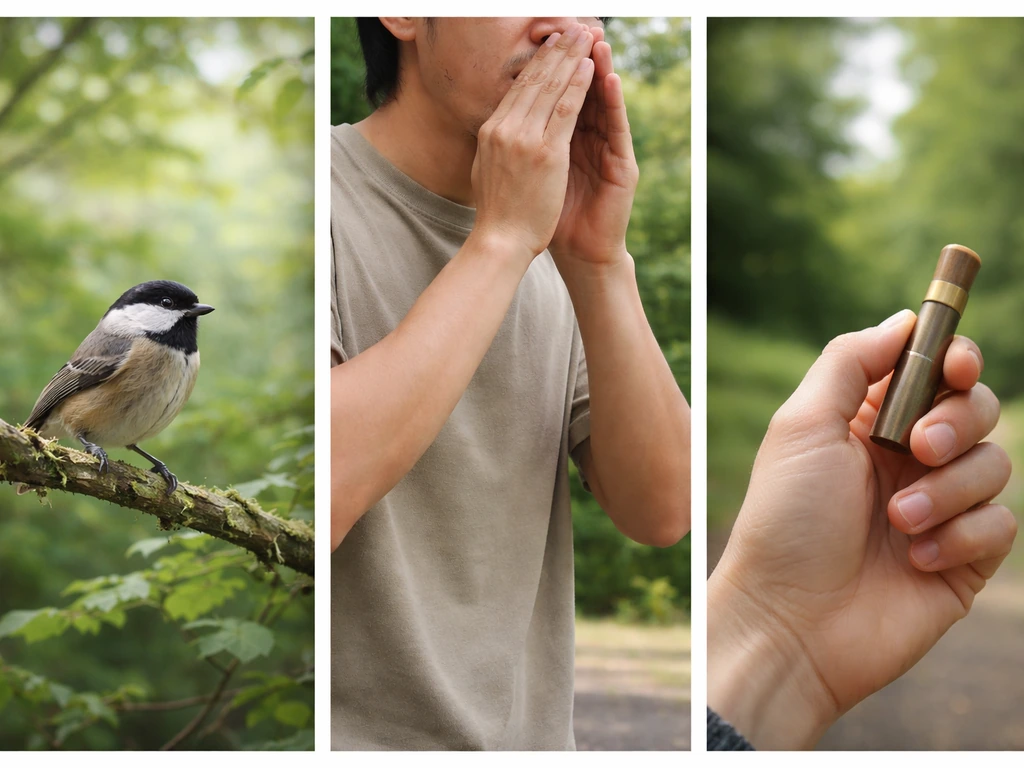
The phrase 'bird call' technically covers three different things: the actual sound a bird makes, a human imitation of that sound, and a physical device used to reproduce it. That triple definition matters here because all three show up in slang and metaphor. Someone saying they 'sent up a bird call' might mean they put out a subtle signal or warning. Someone asking what a bird call 'means' might be asking for the ornithological function, a spiritual interpretation, or to decode a piece of regional slang they encountered online.
Bird calls differ from bird songs in a meaningful way. Songs are almost always tied to mating, territory, and reproductive display. Calls, by contrast, cover a much wider range of functions: alarm, contact between flock members, begging (especially in juveniles), courtship cues, and scolding intruders. So if someone references a 'bird call' specifically rather than a 'bird song,' there's a functional reason for that distinction, even if the person using it slang doesn't know that.
The sibling topics of bird sounds meaning, bird calls meaning, bird whistle meaning, and bird tweeting meaning all orbit this same question from slightly different angles. This article focuses on the slang and interpretive layer, while those pieces dig deeper into specific sound types and their ornithological functions.
How to figure out which bird you actually heard
You don't need gear or expert knowledge to narrow down a bird call. Maine’s “Bird Call Recognition for Beginners” handout is designed as a practical, no-equipment guide for distinguishing common calls by listening blank" rel="noopener noreferrer">you don't need gear or expert knowledge to narrow down a bird call. Start with the most basic observations: where were you (forest, backyard, near water, open field)? What time of day was it? How would you describe the sound in plain English? Was it a sharp single note, a series of repeated phrases, a warbling run of notes, or something more mechanical like a whistle or screech? Those details alone eliminate a huge portion of species.
Audubon's recommendation for beginners is to pair listening with watching. If you can see the bird at all, even briefly, notice its size relative to something familiar, whether it's moving up or down a tree trunk, and what habitat it prefers. That visual memory reinforces the audio one and makes the sound easier to match later.
The fastest modern verification tool is Cornell Lab's Merlin Bird ID app or the BirdNET app, both free. Record a few seconds of the call and the app returns identification suggestions with audio playback so you can compare. This step is critical before you attach any meaning to a sound, because many species produce calls that are easy to confuse, and getting the species wrong means any 'meaning' you assign is built on a false foundation.
Plain-English sound cues for common calls
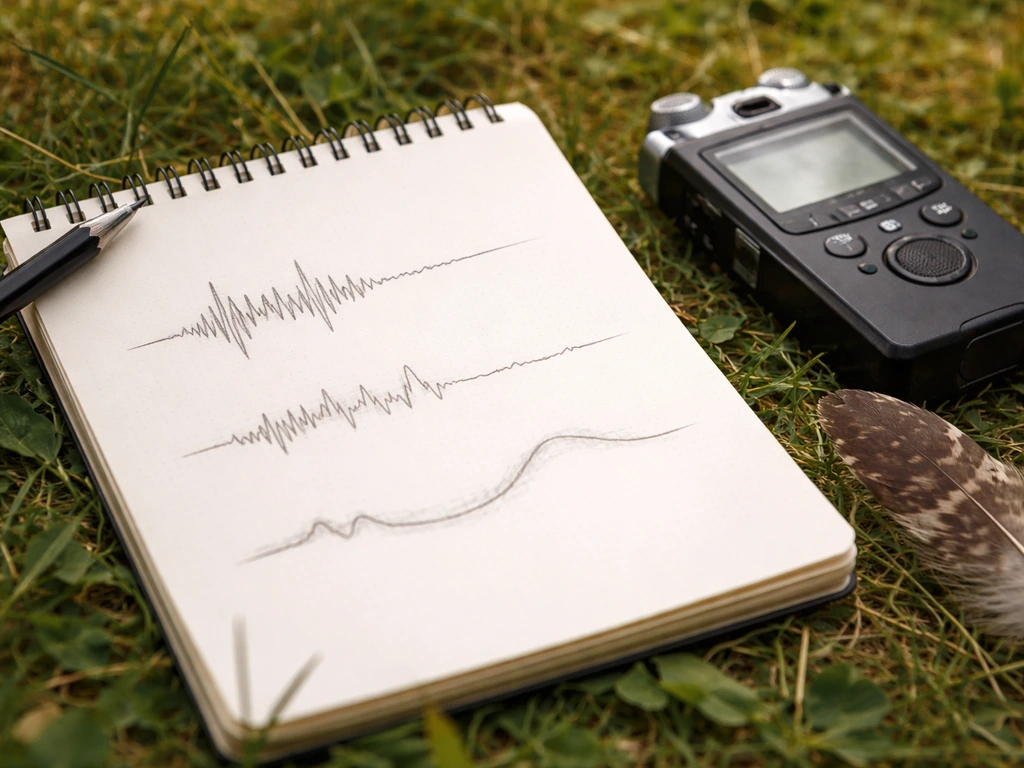
- Sharp, repeated single notes (like 'chip' or 'peek'): usually an alarm call, common in robins and many small songbirds when a predator is nearby
- Wavering, trembling call over water: likely a Common Loon signaling alarm or announcing its presence at a lake
- Rhythmic repeated phrase from the same spot after dark: could be a Whip-poor-will song, which functions as a breeding-season territorial call from a fixed perch
- Low hooting in slow, deliberate pulses: almost always an owl establishing territory or attracting a mate
- Rapid scolding or 'gargling' from a chickadee: territorial communication, usually when another chickadee or small bird intrudes
- Mass singing before sunrise, layered across many species: the dawn chorus, typically March through May in the US and Canada
What bird calls actually mean behaviorally
Most bird calls serve a handful of concrete functions. Understanding these makes it much easier to hear a sound and immediately have a reasonable guess at what's happening, before any folklore gets layered on top.
| Call Function | What It Signals | Common Example |
|---|---|---|
| Alarm call | Predator detected nearby; warning to flock members | Robin's sharp 'yeep'; chickadee's rapid chick-a-dee-dee-dee |
| Song (territorial) | Male broadcasting ownership of a territory | Most dawn chorus singing; owl hooting at night |
| Mating/courtship song | Attracting or bonding with a mate | Whip-poor-will's repeated call from a perch during breeding season |
| Contact call | Keeping in touch with flock mates while moving | Soft chips from warblers moving through trees |
| Begging call | Juvenile asking parent for food | Insistent, high-pitched repeated squeaking from young birds |
| Dawn chorus | Combination of territorial and mating signals at peak vocal activity | Multi-species overlapping song just before and after sunrise, March–May |
One important nuance: the same bird can make very different sounds depending on what it needs to communicate. An American Robin has a melodic song used for territory and mating, but it also has a sharp alarm call that sounds nothing like that song. If someone heard an alarmed robin and someone else heard a singing robin and they both tried to interpret the 'meaning,' they'd be starting from completely different data.
The dawn chorus deserves a specific mention because it tends to generate a lot of 'what does it mean?' questions. Cornell Lab research found that 20 bird species showed substantially higher vocal activity at dawn than at dusk, and it's primarily driven by breeding season acoustics, not by anything mystical. That said, it's one of the most emotionally striking natural events you can hear, so it makes sense that cultures throughout history attached meaning to it.
The cultural and spiritual layer: where these beliefs actually come from
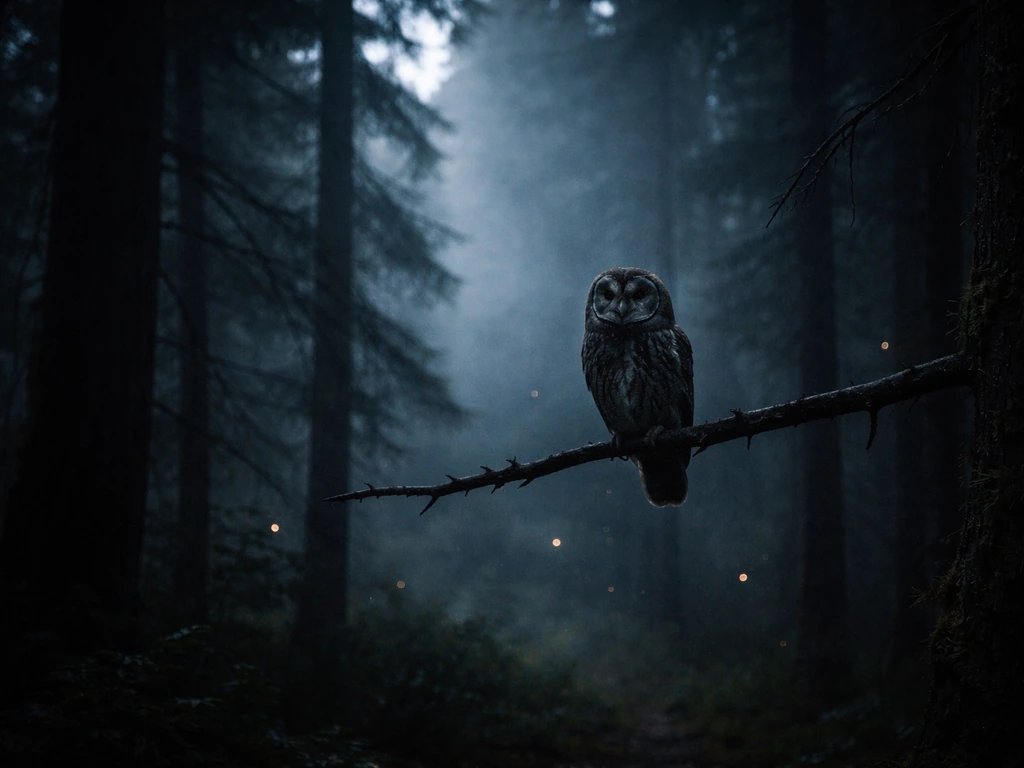
Bird call symbolism in folklore almost always has a traceable origin in observable behavior, even when the interpretation gets stretched into superstition. The owl is the clearest example. Owls are nocturnal, nearly silent in flight, and their hoots carry far in the dark. For communities without artificial lighting, hearing an owl at night was a genuine sensory event that stood out, and in many cultures from ancient Rome to various Native American nations, that distinct nighttime hoot became associated with death or bad omens. The behavior (calling at night, from hidden spots, with an eerie tone) fed the symbolism.
The Whip-poor-will is another rich example. Among the Iroquois of the northeast and the Menominee of Wisconsin, a Whip-poor-will calling near someone's home was interpreted as a sign of impending death. The Old Farmer's Almanac records a different tradition: if a single woman heard her first Whip-poor-will in spring and the bird didn't call again, she'd remain single for a year. These interpretations are geographically and culturally specific. The same call carried entirely different 'meanings' depending on who was listening and where.
What this tells us is that bird call symbolism is not universal. It's local, culturally specific, and layered onto real bird behavior by communities trying to make sense of their natural environment. That's worth respecting as a form of knowledge while also being honest that it's not predictive in any literal sense.
Bird call slang: how it shows up in everyday speech and online
In contemporary slang, 'bird call' is used in a few distinct ways, and they're worth separating out because context changes everything.
- Warning signal metaphor: 'Sending up a bird call' or 'putting out a bird call' means alerting people discreetly, the way a lookout signals that something is wrong. This usage comes directly from the literal alarm-call function of birds.
- Coded communication: In some communities (especially in older slang and certain regional dialects), a 'bird call' is a prearranged signal between people, often used to get someone's attention without drawing outside notice. Think two people agreeing on a whistle pattern before a meeting.
- Meme and internet culture usage: Online, bird call references often appear in jokes about 'bird app' (Twitter/X) posts, viral sounds, or mimicry. Saying someone 'bird-called' you can mean they sent a vague, cryptic message, like an actual bird call that's hard to decode.
- Emotional/poetic shorthand: In texts or social media, describing something as a 'bird call' can mean it's fleeting, hard to pin down, or carries a feeling that's hard to put into words. This is looser and more personal, usually requiring context from the conversation.
- Superstition shorthand: In some communities (especially in the US South, parts of Appalachia, and various Indigenous traditions), referencing a specific bird's call by name is shorthand for its folklore meaning, so 'heard the owl' or 'that was a whip-poor-will' carries implicit cultural weight without explanation.
The important thing to recognize about slang is that it's location-dependent and community-dependent. A 'bird call' meaning in one online group or one region may mean something completely different in another. Online discussions on platforms like Reddit show people regularly mishearing or misidentifying a bird sound and then attaching folk interpretations to the wrong species entirely, which is how slang and superstition compound.
How to decode what you heard or what someone said: a quick matching process
Whether you heard an actual bird or someone dropped 'bird call' in conversation with an implied meaning, here's a practical way to work through what they likely meant.
- Identify the context first: Was this a real sound you heard outdoors, or was it something said in conversation, in a text, or in a meme? That single question splits your path immediately.
- For real sounds: Use the plain-English cues above (time of day, habitat, sound quality) to narrow the species. Then use Merlin or BirdNET to confirm. Once you have the likely species, map the sound to its most probable function (alarm, territory, mating, contact) before anything else.
- For conversational or slang usage: Ask yourself whether the person is using 'bird call' to mean a warning/signal, a cryptic message, or a cultural/superstitious reference. If you're not sure, just ask directly, because slang is too variable to guess accurately without community context.
- Cross-check folklore with geography: If someone invokes a specific bird's call as meaningful (owl, whip-poor-will, crow), look up the specific cultural tradition attached to it in their region. A crow calling might mean something specific in one tradition and nothing at all in another.
- Verify before accepting: If a 'meaning' is being passed around online, check whether it ties to an actual documented cultural tradition or whether it's a recent invention. Real folklore tends to have a traceable geographic and cultural origin.
Common misconceptions and how to push back on them
The biggest misconception is that a bird call has one universal meaning. It doesn't. An owl hoot means territory and mate attraction to the owl. It means impending death in some European and Native American traditions. It means nothing in particular to someone in a culture without that folklore. All three of those are valid within their own frameworks, but collapsing them into one 'true' meaning creates confusion.
Another persistent myth is that if a bird calls at an unusual time (like an owl during the day or a rooster at an off hour), it signals something ominous. Some HowStuffWorks-style superstition lists even specify that the meaning changes depending on time of day. But birds call at unusual hours for completely mundane reasons: light pollution disrupts circadian rhythms, seasonal changes shift schedules, and unusual temperatures alter behavior. None of this is predictive.
A third misconception is that you can reliably identify a bird by sound alone without any reference point. Even experienced birders struggle with this. Many species produce calls that are genuinely similar, and the same species produces very different sounds in different behavioral contexts. Reddit threads full of people asking for help identifying a 'weird bird call' make this confusion visible in real time. Getting the species wrong and then assigning folklore meaning to the wrong bird is a very common error.
How to verify a claimed meaning locally
- Use Merlin Bird ID or BirdNET to confirm the actual species before attaching any meaning to the call
- Search the specific bird name plus your region or cultural tradition to find documented folklore rather than generic superstition lists
- Check whether the 'meaning' you've encountered is specific to a cultural tradition you're part of or familiar with, since applying someone else's tradition out of context produces misleading results
- For slang in conversation or online, trace the community it came from: a gaming community, a regional group, or a specific cultural background may all use 'bird call' differently
- When in doubt about slang usage, ask the person directly rather than guessing based on a general definition
The honest bottom line is that bird calls are genuinely meaningful on a behavioral level, legitimately symbolic on a cultural level in specific traditions, and loosely used in slang in ways that vary enormously by community and region. The best thing you can do is nail down which layer you're in before trying to interpret what you heard or what someone said. Start with the bird, then work outward to context, and you'll avoid the most common mistakes.
FAQ
If someone says “bird call” as slang, how can I tell whether they mean a warning versus just a literal sound they heard?
Check what they are reacting to. If the conversation is about staying alert, leaving, hiding, or “heads up,” it usually functions as a signal or warning. If they pivot to describing timing, location, and what the sound resembled, it is more likely literal or identification-focused. Also note whether they use a verb like “heard,” “came from,” or “recorded,” versus “send a bird call” or “that was a bird call,” which leans slangy.
Does “bird call” slang always refer to owls specifically, since owl hoots are common in superstition?
No. Owl symbolism is popular, but “bird call” as slang is broader and can refer to many birds or even to an imitation sound. If the speaker mentions night, woods, and hooting, owl symbolism may be the reference. If they mention flock behavior, scolding, or repeated sharp notes, it could be something closer to alarms or contact calls.
What should I do if the app (Merlin Bird ID or BirdNET) suggests multiple species from my recording?
Use behavioral clues to break ties. Compare the suggested species against where you heard it (habitat type and proximity to water), the time of day, and the sound pattern you described (single note, repeated phrases, warbling run, or harsh screech). If possible, record again a few minutes later, because many calls change with context and can narrow identification.
How long should I record to get a useful “bird call meaning” context from an ID app?
Aim for several seconds that include the start of the call and at least one repetition if the bird calls multiple times. Very short clips often match several species equally well. If the bird stops quickly, try again from a slightly different angle or distance to capture the next sequence.
Is it safe to assign meaning based on sound alone if I do not see the bird?
It’s high risk. The article notes that many calls are similar and the same bird can sound different in different situations. If you cannot see the bird, prioritize the identification step using location, time, and the sound structure, then treat symbolism or slang meanings as possibilities rather than facts.
What if the sound seems “mechanical” like a whistle or screech, does that change the likely function?
It can. Mechanical-sounding whistles and harsh screeches more often map to alarm or intruder-style communication rather than mating songs. That said, don’t assume, because some species use multiple call types. Pair the sound type with when it happened (for example, near the ground versus high in the canopy) to refine your guess.
Birds calling at unusual times makes me think something is wrong, is there a better way to interpret it?
Before assuming an omen, check practical causes first. Consider light pollution at night, seasonal shifts, and weather changes, since these can shift when birds vocalize. If it is always the same species at the same odd time, that can still be explained by behavior patterns rather than prediction.
How can I avoid misinterpreting folklore, when I want to understand “bird call meaning slang” that references cultural beliefs?
Treat folklore meanings as tied to specific communities and conditions, not universal rules. If the speaker mentions a region, tribe, country, or historical text, that is a clue the meaning is localized. Ask yourself whether the speaker is translating their local tradition or blending it with internet myths, because the latter is where misunderstandings spread.
Can one “bird call” refer to a device, and how would I recognize that in conversation?
Yes, because “bird call” can mean a tool used to reproduce sounds. If someone talks about gear, whistles, hunting, practicing calls, or “using a bird call to bring something in,” they are likely referring to the device rather than the natural bird sound or slang symbolism.
If two people hear the same bird call but interpret it differently, what’s the most likely reason?
They may be hearing different call contexts from the same bird, like an alarm versus a contact call. The article emphasizes that the “meaning” depends on what the bird is trying to communicate at that moment. Even if the species is the same, the situation can produce a drastically different sound that invites different interpretations.
Next Article
Bird Calls Meaning: How to Decode Calls by Context
Decode bird calls by context: species, time, location, behavior plus cultural meanings, misconceptions, and next steps t