"Bird hands meaning" almost always points to the classic proverb "a bird in the hand is worth two in the bush," one of the most durable pieces of practical wisdom in the English language. Phrases. org. uk defines the proverb as preferring what you already have over the risk of something better that may not materialize, and it describes it as one of the oldest and best-known English proverbs [one of the oldest/best-known English proverbs](https://www.
Bird Hands Meaning: Proverb, Symbolism, and Women Explained

Marcus Holloway
13 Apr 2026
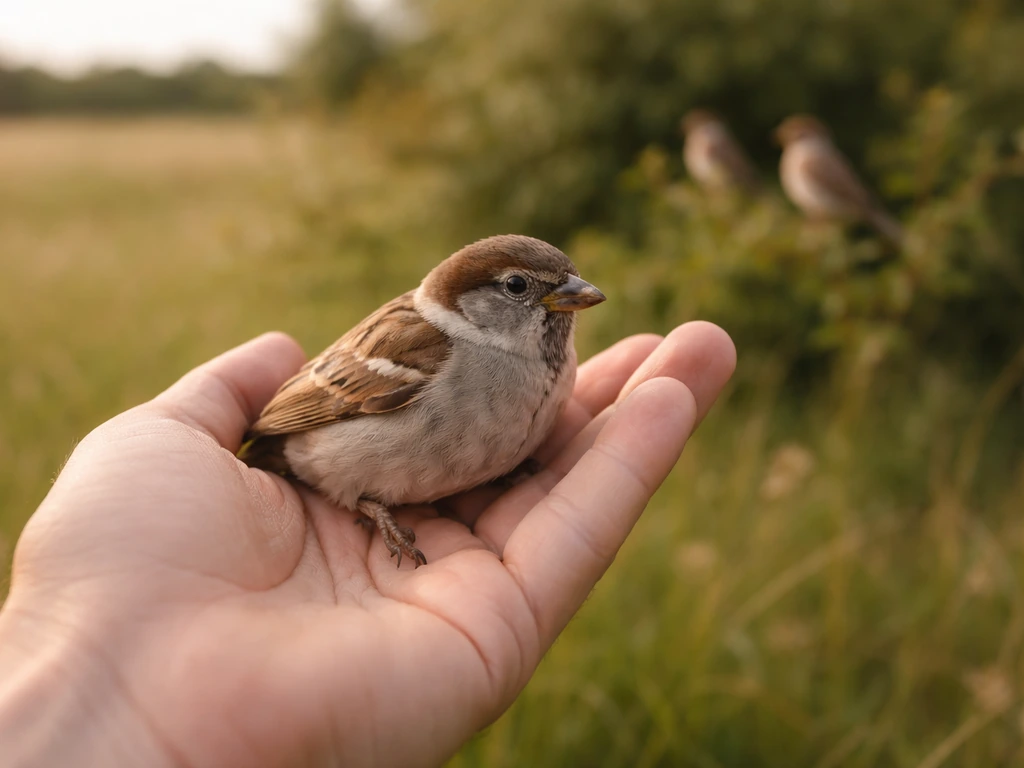
phrases. org. uk/meanings/a-bird-in-the-hand. html).
But depending on where you encountered the phrase, it could also refer to a TikTok hand gesture, a dream symbol, or an internet meme. In urban dictionary and similar slang databases, “bird chest” is often used as a body-related term, so it pays to check the exact phrasing you saw bird chest meaning. The trick is knowing which one you actually ran into, and this guide will walk you through all of them so you can land on the right interpretation without guessing.
"A bird in the hand" vs. "bird hands": they're not the same thing
The canonical phrase is "a bird in the hand is worth two in the bush," and the American Heritage Dictionary of Idioms pins it as well established in English by around 1400, with roots going back to ancient Greek. The phrase is typically shortened in conversation to "a bird in the hand" (singular bird, singular hand), and that shortened form still carries the full weight of the proverb.
"Bird hands" with a plural, on the other hand, is not a standard lexicographic entry. It doesn't appear in mainstream proverb dictionaries as a rewrite of the classic saying. When you see "bird hands" online, it's usually one of two things: someone shortening or paraphrasing the proverb informally, or someone referencing a completely different, modern colloquial usage. Sorting out which one applies to your situation is the whole game here.
blank" rel="noopener noreferrer">Wiktionary documents the proverb with its conventional structure ("a bird in the hand is worth two in the bush") and lists cross-language equivalents, including the French "un tiens vaut mieux que deux tu l'auras." The point is that the stable core unit across all languages is "bird in the hand" (certainty you already hold), not "bird hands" as a freestanding concept. If you're trying to look up this phrase in a reference dictionary, search "a bird in the hand" rather than "bird hands" and you'll find what you're actually looking for.
The proverb explained: what "a bird in the hand" is really telling you
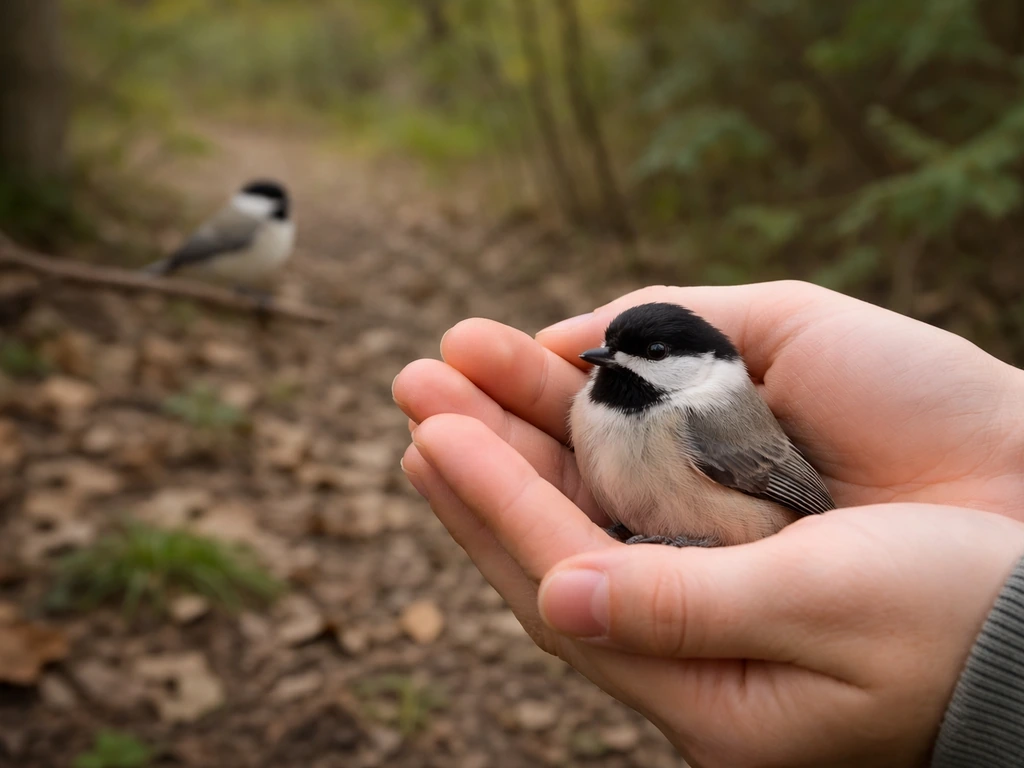
The proverb's core message is straightforward: a certain benefit you already have is more valuable than a potentially larger but uncertain future benefit. Think of it as a caution against gambling away something real in pursuit of something hypothetical. That logic is just as applicable today as it was in medieval Europe, where falconry gave the phrase its literal image: a trained hawk already on your wrist is worth more than two wild birds sitting in a nearby bush that you haven't caught yet.
Oxford Academic frames this in decision theory terms: the value of a current offer becomes increasingly attractive as time passes and uncertainty mounts. A UCSF negotiation workshop uses the proverb explicitly to argue for avoiding risk in bargaining situations, calling it a caution against sacrificing a guaranteed outcome for the promise of more. That's the practical engine behind the saying, and it maps cleanly onto real decisions most people face.
How to apply the proverb in everyday life
A career guidance resource frames the proverb directly around job offers: should you take the offer in hand or wait for a potentially better one? The answer the proverb gives is context-dependent, but it leans toward taking the sure thing when the alternative involves real risk and time pressure. Here are the main domains where this logic shows up most often:
- Work and job offers: A job offer you have now beats a better-sounding offer that hasn't materialized. Delays and uncertainty create compounding risk.
- Money and investing: Locking in a known return is often smarter than holding out for a bigger payout that may never come.
- Relationships: Appreciating a stable, committed relationship over chasing an idealized but uncertain alternative is the relational version of this proverb.
- Negotiation: Accepting a fair, concrete settlement beats dragging things out in hopes of a windfall, especially when legal fees or time costs mount.
- Everyday choices: Booking the flight at a reasonable price now, rather than waiting for a sale that might not appear, is the low-stakes version of this same logic.
The proverb doesn't say "never take risks." It says: know the value of what you already hold before you let it go. That's the distinction people miss when they treat it as blanket risk-aversion advice.
Modern and quirky uses of "bird hands": slang, gestures, and internet meaning
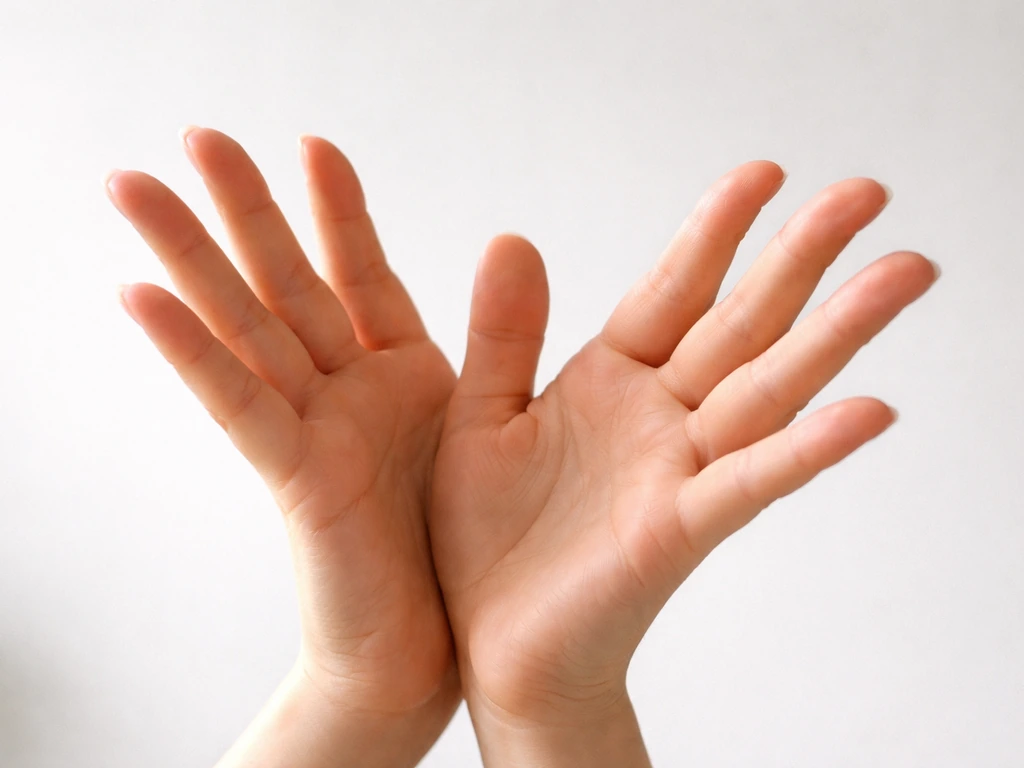
Once you move away from the proverb, "bird hands" takes on a different life online. Pop commentary and TikTok culture have attached the label to a specific hand gesture described as a pointed, pecking motion, particularly associated with women in social media videos. This is documented in trend-watching content and shows up in Reddit threads where users debate what the gesture actually means. One Reddit discussion frames it as a condescending or "hen-pecking" gesture; another describes it as expressing surprise or emphasis. Neither of those interpretations comes from a dictionary or cultural authority; they're crowd-sourced readings of a viral behavior pattern.
There's also a meme/emote angle. "Bird hands up" appears as an internet emoticon associated with surprise or shock, which is a completely separate lane from both the proverb and the gesture debate. the bird hands meaning in Urban Dictionary territory is worth checking if you suspect you're dealing with slang rather than a traditional saying, because the entries there reflect how internet culture has layered new meanings onto the phrase that have nothing to do with decision-making wisdom.
There's also a specific gesture framing worth knowing about. If someone described a person making a bird hand gesture during a conversation or argument, they're almost certainly talking about this modern behavioral label, not a proverb reference. Context is everything here, and we'll get into how to read those clues shortly.
"Bird hands women meaning": love, fortune, and gendered readings
One of the more specific searches that leads people here is some version of "bird hands women meaning," and it's worth treating that seriously because it's genuinely ambiguous. There are at least three different things someone might be asking about.
First, the gesture angle: social media content has specifically associated the "bird hands" gesture with women, often in the context of dating commentary, arguments, or personality typing. The IndiaTimes coverage of a viral TikTok loneliness debate mentioned "bird hands" as a behavioral descriptor attached to women in the video, which suggests people are using it as a character or personality marker rather than a symbolic or spiritual one. This is pop psychology wrapped in bird imagery, not folklore.
Second, some people arrive at this search through dream symbolism or spiritual interpretations. Dream content sites do interpret "a bird in the hand" symbolically as contentment, gratitude, or a tangible blessing, and shamanic or spiritual frameworks can read a bird landing on your hand as an ancestral or intuitive message. These interpretations exist and they're culturally meaningful in the traditions that carry them, but they don't constitute a universal "bird hands = love fortune for women" doctrine. They're personal and contextual, not predictive.
Third, some people are looking for a romantic or love-luck superstition, something like "if a bird lands on your hand, you'll find love" or "bird hands mean good fortune in relationships." There is no well-documented folk tradition that establishes this as a specific, gendered love omen. Bird symbolism more broadly does include romantic associations in various cultures (doves, swallows, robins), but "bird hands" as a feminine love-luck signal is not a documented proverb, superstition, or cultural tradition with a traceable origin.
If you're curious about the broader body symbolism angle, the physical-appearance reading of body types sometimes gets lumped into these searches too. Articles on what bird chest man means and bird chest meaning cover that territory in detail, since "bird" as a descriptor gets applied to physical traits in slang in ways that parallel the "bird hands" label. Similarly, bird chest meaning in Urban Dictionary shows how internet slang repurposes bird imagery for physical descriptions that have no relation to the proverb or spiritual symbolism.
How to figure out which meaning actually applies to you
The right interpretation depends entirely on where you encountered the phrase. Here's a simple way to run through that:
- Did someone quote it in a decision-making conversation? It's the proverb. They're telling you (or themselves) to value the sure thing over the uncertain one.
- Did you see it on TikTok, Instagram, or in a dating/personality context? It's the modern gesture label. Someone is describing a physical mannerism, often critically.
- Did it come up in a dream or spiritual reading? It may be a personal symbolic interpretation. Treat it as meaningful within that framework but don't assume it maps to a universal tradition.
- Did you find it in a Reddit thread or meme context? It's likely internet slang or emote usage. Check Urban Dictionary or the specific platform for what that community means by it.
- Is someone describing physical hands or a body type? That's a slang/appearance descriptor, separate from both the proverb and gesture meaning.
The core diagnostic question is: was this used in a decision, a description, or a symbol? Those three buckets cover almost every real-world case. If you're still unsure, look at the surrounding sentence. Proverb uses almost always involve a choice between two options. Gesture uses almost always describe someone's physical behavior. Symbolic uses almost always involve emotion, luck, or spiritual significance.
Comparing the main interpretations side by side
| Interpretation | What it means | Where it comes from | Reliable? |
|---|---|---|---|
| "A bird in the hand" proverb | Value the certain option over the uncertain one | English proverb, well established since ~1400, ancient Greek roots | Yes, well documented |
| Bird hands gesture (TikTok/social media) | A pointed or pecking hand motion, often used as a behavioral label | Modern internet/pop culture commentary | Descriptive only, no authoritative definition |
| Bird hands as love/fortune omen for women | Supposed romantic luck or gendered symbolism | Unverified folk claim, circulates online | Not documented in established traditions |
| Bird hands emote/meme | Surprise or shock in digital communication | Internet meme culture | Platform-specific, not universal |
| Bird in hand (dream/spiritual) | Contentment, gratitude, or a tangible blessing | Dream interpretation blogs and spiritual frameworks | Interpretive, varies by tradition |
Myths worth debunking before you act on them
The biggest misconception is treating "bird hands" as a single, unified concept with one meaning. It doesn't work that way. The phrase is genuinely polysemous, meaning different communities use it to mean completely different things, and there's no central authority that has locked down a single definition. The USC Digital Folklore Archives note that even established proverb forms can differ in how they're understood across communities, which means you should be cautious about assuming your interpretation is the universal one.
A second myth: "bird hands as a women's love omen" has solid cultural roots. It doesn't. There's no traceable folk tradition, proverb dictionary, or anthropological record that establishes "bird hands" as a gendered romance signal. Content online that presents this as fact is either extrapolating from bird symbolism generally (birds do appear in love contexts in many cultures) or fabricating specificity that doesn't exist. Don't make relationship decisions based on this.
A third myth: the gesture meaning is the "correct" modern meaning. Also no. If someone uses the phrase in a sentence about a career decision or a negotiation, they mean the proverb, full stop. The gesture meaning is context-specific to social media and behavioral commentary. Neither one cancels out the other; they just live in different contexts.
Before acting on any interpretation, run a quick confirmation check: look at where the phrase appeared, who said it, what decision or description was being made, and whether a proverb or a physical gesture makes more sense in that context. If someone is quoting wisdom, it's the proverb. If someone is critiquing body language, it's the gesture. If someone is assigning romantic fate, be skeptical.
Your next steps for getting the right answer
If you landed here trying to decode a proverb reference, you now have the full picture: "a bird in the hand is worth two in the bush" means take the certain benefit over the uncertain one, and it's been solid advice since ancient Greece. Apply it to whatever decision is in front of you by asking: what do I already have, how sure is it, and how certain is the alternative? If the alternative is genuinely uncertain, the proverb is telling you to appreciate what's in hand.
If you encountered "bird hands" in a social media or slang context, don't assume it maps to the proverb. Check the platform, check the thread, and treat it as a behavioral descriptor or meme term rather than a piece of inherited wisdom. And if someone tried to sell you on a "bird hands women love omen" reading, push back. Ask for the source. It won't hold up.
This site covers bird meanings across cultural symbolism, spiritual significance, behavioral interpretation, and slang, which puts it in a good position to cross-reference whatever you're tracking down. Whether you're decoding a proverb, a gesture, or a dream, starting with context and working toward a verified source is always the most reliable path.
FAQ
How can I tell whether “bird hands” is the proverb, a gesture, or symbolism in the exact sentence I saw?
Use a simple context test: if the sentence is about choosing between options (take it now versus wait), it is almost certainly the proverb. If it describes what someone is literally doing with their hands during a clip, argument, or comment thread, it is the modern gesture label. If it is written like a personal sign about feelings, fate, or spirituality, treat it as symbolism or interpretation, not a fixed meaning.
Is “bird hands” a different proverb from “a bird in the hand,” or is it just an online shortcut?
Don’t rely on the plural. The proverb form is effectively “a bird in the hand” (singular) and that is what most reference works recognize. When people say “bird hands” online, they are usually informally shortening, paraphrasing, or mixing it with unrelated slang. If you need the “real” saying, search for the singular form and then map it back to what you saw.
How do I apply the “bird in the hand” logic to a real decision without overreacting to the phrase?
Yes, it can, especially in job or negotiation discussions. A safe way to apply it is to ask, what is guaranteed right now (offer terms, timeline, start date), what is uncertain about the “better” option (approval, budget, start timing), and what costs you if you wait (missed windows, loss of leverage). Then compare not only upside, but downside risk.
Does “bird in the hand” mean I should avoid all risk, or just avoid trading certainty for wild guesses?
“Never take risks” is the common misread. The more accurate takeaway is value what you already have before trading it away for something hypothetical. If the alternative is reasonably probable (for example, a second interview that is already scheduled), the proverb becomes less of a strict rule and more of a reminder to confirm certainty.
What if I only see the words “bird hands” with no context, what should I do next?
Look for non-verbal clues in the surrounding post. Gesture uses often include talk about attitude, emphasis, or a specific hand motion shown in a video. Proverb quotes often appear with decision language like offer, wait, choose, and certainty. If you only have the phrase with no surrounding context, your probability should be low, and your best next step is to locate the original quote or clip description.
Is there a reliable “women’s love omen” meaning tied to bird hands?
Be skeptical of a claim like “bird hands means good luck in love for women.” If someone states it as a settled tradition, ask what tradition, what region, and what credible source or consistent folk pattern it comes from. In most cases discussed online, that specificity is extrapolated from general bird symbolism or made up for trend content.
Why do people in Reddit or TikTok argue about “bird hands meaning,” and how should I weigh those explanations?
If you’re trying to decode a TikTok or Reddit reference, treat it like slang, not inherited wisdom. The “meaning” can shift by community, and even within the same thread multiple interpretations can appear. A good workflow is to check whether the term is used to label a behavior (what the hands do), a character trait (how a person is), or an emotion (what is being expressed).
If I saw “bird hands” in a dream context, how should I interpret it responsibly?
Don’t turn dream interpretations into decisions. If you saw it in dream content, use it as a reflection prompt (what feelings were present, what was the waking-life concern), not as a prediction. Also note that “a bird landing on your hand” can be read multiple ways across different dream traditions, so identical dream images often lead to different conclusions.
Next Article
Bird Chest Meaning: Slang Definition, Context, and How to Reply
Slang bird chest meaning and bird chested meaning: where it comes from, contexts, health myth-busting, and how to reply