In business, "bird-dogging" means persistently tracking someone or something to make sure a task, deal, or commitment gets followed through. When a colleague says they're going to bird-dog a vendor contract, a pending approval, or a sales lead, they mean they'll be watching it closely, checking in repeatedly, and not letting it fall through the cracks. The term has nothing to do with birds in a literal sense. It comes from hunting, where a bird dog tracks and retrieves game on behalf of the hunter, doing the legwork so the hunter doesn't have to. That "dogged pursuit" energy is exactly what carried over into business slang.
Bird-Dogging Meaning in Business: Definition and Examples

Marcus Holloway
11 Apr 2026

The plain-English business definition

To bird-dog something in a business context means to monitor, track, or persistently follow up on it until you get a result. Merriam-Webster traces the verb form back to early 20th-century figurative use, defining it as "to closely watch" or "to doggedly seek out" someone or something. That definition maps almost perfectly to how the word shows up in modern offices and email threads. If you're bird-dogging a contract renewal, you're not passively waiting for news. You're sending reminders, asking for status updates, escalating when things stall, and making sure the responsible party knows you haven't forgotten. It's structured, intentional follow-through with a slightly assertive edge.
A secondary, related meaning shows up in sales specifically. In that context, a "bird dog" can refer to a person (not just an action) who scouts out leads or opportunities and passes them to a sales rep or closer in exchange for a referral fee or commission. But in day-to-day workplace communication, when someone uses "bird-dogging" as a verb, they almost always mean the monitoring and follow-up sense, not the lead-scouting role. If you want to dig deeper into how the two uses relate, the bird-dogging definition covers both in more detail.
Where the term actually shows up in business
You'll run into "bird-dogging" across a surprising range of business departments and situations. Here's where it comes up most often:
- Sales and business development: A sales manager might bird-dog a rep's outreach to a warm prospect, or a rep might bird-dog a legal team's review of a contract so a deal doesn't die in queue.
- Vendor and procurement management: Procurement teams bird-dog suppliers when a delivery is overdue or when a quote hasn't arrived within the agreed window. Using a structured supplier status request form with timestamps is the professional version of this.
- Project management: A project lead bird-dogs deliverables from cross-functional teams, especially when a missed deadline threatens the critical path.
- Recruitment and HR: A recruiter might bird-dog a hiring manager's feedback on a candidate, or a candidate might informally bird-dog the status of a background check or offer letter.
- Legal and compliance: Someone in legal might bird-dog a pending regulatory filing or an internal review that's blocking a deal from closing.
- Partnership negotiations: When two companies are working out partnership terms, one side often bird-dogs the other to keep momentum going, especially if the stakes are time-sensitive.
In all of these situations, the person doing the bird-dogging is usually not the one responsible for completing the task. They're the one accountable for making sure it gets done, which is a subtle but important distinction. The person being bird-dogged owns the deliverable; the person bird-dogging owns the outcome.
Intent and tone: accountability vs. harassment
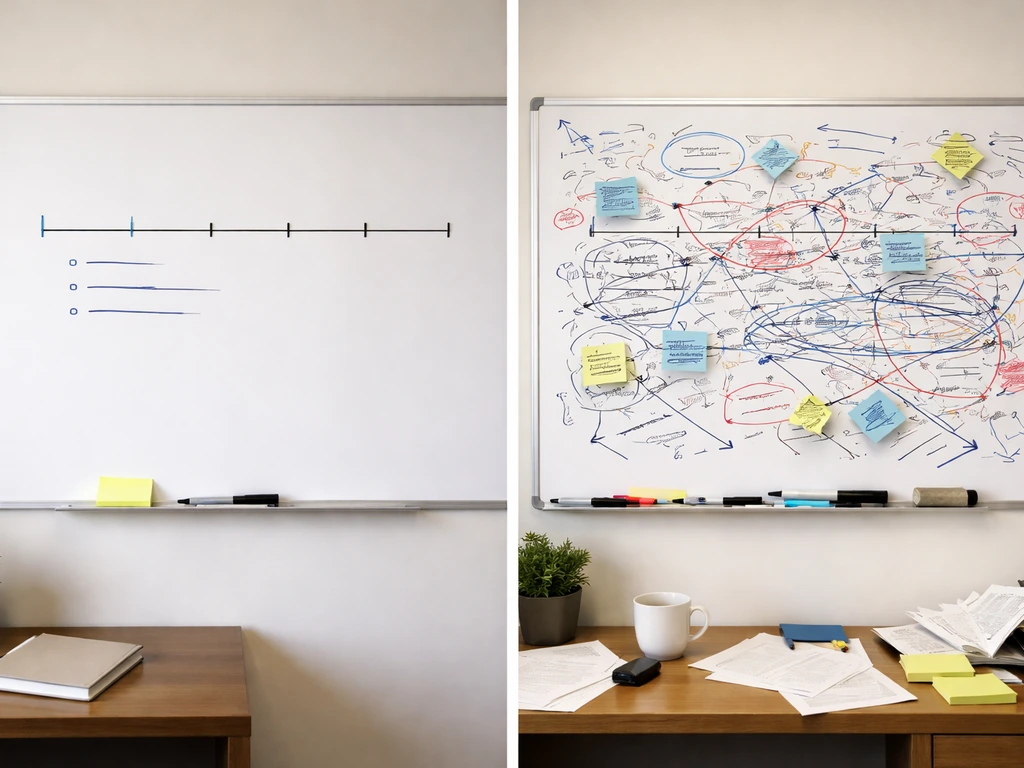
Here's where bird-dogging gets complicated in real workplaces. The same behavior can read as diligent accountability or overbearing pressure depending entirely on how it's done and how often. Done well, bird-dogging communicates urgency and prevents things from stalling. Done poorly, it signals distrust, creates anxiety, and damages working relationships. The difference isn't always obvious in the moment, especially if you're the one under pressure to deliver.
Helpful bird-dogging tends to be structured: it references agreed-upon timelines, offers help or context when checking in, and gives the other party a clear sense of what "done" looks like and when it's needed. Overbearing bird-dogging, by contrast, involves daily or near-daily check-ins with no new information, implied threats or escalation without warning, and a tone that suggests the other person isn't trustworthy. The political and advocacy world actually documents this tension well. Organizations that use bird-dogging as an accountability tactic explicitly train participants to press for answers persistently, but to do so through structured questions rather than informal harassment. The same principle applies in business. If you've ever seen someone use bird-dogging in a political context, you'll recognize that fine line between productive pressure and antagonism.
A useful internal benchmark: if your check-in includes something new (a relevant piece of information, a changed deadline, a blocker you've removed), it's accountability. If it's purely "just checking in again," and you've sent the same message three times this week, that's pressure. The latter tends to produce resentment, not faster results.
Bird-dogging vs. follow-up, due diligence, and stalking
People mix up these terms constantly, so let's separate them.
| Term | What it actually means | Key difference from bird-dogging |
|---|---|---|
| Follow-up | A single or occasional check-in after an initial request or meeting | Bird-dogging is more persistent and sustained; follow-up is lighter and usually one-off |
| Due diligence | Thorough investigation before a decision (often financial or legal) | Due diligence is research-focused and time-bound; bird-dogging is ongoing monitoring aimed at getting someone to act |
| Stalking | Unwanted, threatening, obsessive surveillance of a person | Bird-dogging is professional and task-focused; stalking is personal and harmful — there's a legal line here |
| Whistleblowing | Reporting misconduct or illegal activity | Bird-dogging is not about exposing wrongdoing — it's about ensuring a deliverable gets completed |
| Monitoring | Passive observation of status or progress | Bird-dogging involves active intervention and repeated contact, not just watching a dashboard |
The stalking comparison is worth addressing directly because it occasionally comes up in workplace disputes. Legal commentary, including military and court-adjacent materials, has noted that persistent "bird-dogging" behavior can cross into legally problematic territory when it becomes personal, threatening, or involves contacting someone outside of work channels. In the vast majority of professional situations, this line is nowhere near being crossed. But it's a good reminder that tone and frequency matter more than intent when the person on the receiving end feels hounded. If you're curious how the term's edges have been documented, the bird dogged meaning as captured in informal usage gives useful color on how people interpret the phrase across contexts.
Real examples and what to actually say

When you're the one bird-dogging
Here are three concrete scenarios with sample language you can use or adapt.
Scenario 1 (vendor contract): You're waiting on a signed contract from a vendor and your internal deadline is in three days. A good bird-dogging email might read: "Hi [Name], I wanted to circle back on the contract we sent over last Thursday. Our team needs the signed version by [date] to hit our go-live window. Is there anything on your end holding things up, or can we expect it by [date]? Happy to jump on a quick call if that helps move things along."
Scenario 2 (project deliverable): A colleague owes you a draft and it's two days past the agreed date. Try: "Hey [Name], checking in on the [deliverable] that was due Monday. I know things get busy, but I have a stakeholder review on [date] and need it in hand by [day] to give me time to review. Can you let me know where things stand, and whether you need anything from me?"
Scenario 3 (sales follow-through): You're in sales and need legal's sign-off before you can close a deal. Bird-dogging internally might sound like: "[Name], wanted to flag that the [client] deal is contingent on this review. The client has a hard decision date of [date]. Can we get this prioritized, or do you need me to escalate through [manager]? I want to make sure you have everything you need from my side."
Notice the pattern: reference the timeline, explain why it matters, and offer something (a call, information, escalation help). That's the structure that separates productive bird-dogging from repetitive nagging. If you're in a sales role and bird-dogging is part of how you're evaluated on lead sourcing, it's worth understanding the bird dogging meaning in sales specifically to make sure your approach fits the role expectations.
When you're describing what you're doing to a stakeholder
Sometimes you'll want to communicate to your boss or a client that you're actively tracking something without letting it slip. You can say it plainly: "I'm bird-dogging the vendor approval process, so we should have an answer no later than [date]" or "I've been bird-dogging legal on this and they expect to turn it around by Friday." The phrase is commonly understood in professional settings and signals proactive management without overpromising.
What to do if someone is bird-dogging you

Being bird-dogged is sometimes genuinely helpful and sometimes genuinely exhausting, depending on the circumstances. If someone is following up on something you legitimately owe them, the most effective response is transparency: give them a real status update, including what's blocking you and when you expect to be unblocked. A quick "I haven't forgotten, I'm waiting on [X], and I expect to have something to you by [date]" usually stops the check-ins immediately, because most people who are bird-dogging you just want confirmation the thing isn't lost.
If the bird-dogging feels disproportionate or is creating real stress, it's worth having a direct conversation about cadence. Something like: "I know this is a priority for you and I'm on it. Can we agree on [weekly updates every Monday] so you're always in the loop without me getting pulled off the work itself?" That reframes the conversation around structure, which takes the personal edge off. Establishing a defined update rhythm is almost always more effective than reacting to every check-in individually.
If the check-ins have crossed into something that feels harassing or inappropriate (personal contacts outside work hours, communications that feel threatening), that's a different situation entirely. In that case, document the contacts and bring it to your manager or HR. Most of the time this isn't where workplace bird-dogging lands, but it's a real boundary worth knowing.
It's also worth noting that bird-dogging isn't exclusively a business behavior. The broader concept of tracking and accountability through persistent questioning appears in other bird-related business expressions that carry similar undertones of watchfulness and follow-through, which tells you something about how deeply bird behavior has embedded itself in how we talk about professional monitoring.
How to bird-dog professionally without burning trust
The goal of bird-dogging should always be to get to resolution, not to demonstrate that you're watching someone. Keeping that goal in mind usually keeps the tone right. Here are the practices that actually work:
- Set the expectation upfront. When you make an initial request, include a due date and note that you'll follow up if you haven't heard back. This makes your follow-up expected rather than surprising.
- Space your check-ins deliberately. Daily contact on a week-long task signals distrust. A check-in at the midpoint and one the day before deadline is usually enough unless something is genuinely time-critical.
- Document your asks and their responses. Keep a simple log of when you asked, what was said, and what the agreed next step is. This creates a paper trail without confrontation and gives you something to reference if escalation becomes necessary.
- Use structured status updates instead of informal pings. A brief written status request, referencing the original request date and the deadline, reads as professional. A repeated Slack message saying "any update?" reads as impatient.
- Know your escalation path before you need it. If you're bird-dogging something on behalf of a client or senior stakeholder, know exactly who to escalate to and at what point. That clarity lets you warn the responsible party early: "I'll need to loop in [Name] if we don't have this by [date]" is professional. Surprising someone with an escalation without warning is not.
- Tie your check-in to something useful. Every follow-up is better received if it includes something: a reminder of the context, a relevant update, or an offer of help. Empty follow-ups feel like surveillance; useful follow-ups feel like partnership.
There's also a financial dimension to bird-dogging in some industries. In real estate and some sales models, a bird dog is someone who scouts out leads and passes them to a professional in exchange for a finder's fee or commission. If you're in a role where this kind of informal lead-sourcing is part of the job, understanding the bird banking concept alongside bird-dogging gives you a more complete picture of how tracking, referral, and reward systems interconnect in financial and sales-adjacent work.
Done right, bird-dogging is one of the most valuable professional habits you can build. Things fall through the cracks in every organization. The person who has a system for tracking commitments and following through on them without creating friction is genuinely useful. The key is to stay focused on outcomes rather than control, and to treat every check-in as a service to the project rather than surveillance of a person. That mindset shift is what separates a trusted accountability partner from someone their colleagues dread hearing from.
FAQ
How do I say I’m bird-dogging something without sounding controlling?
In business writing, saying “I’m bird-dogging this” is usually better than implying you are controlling someone. Add a specific deliverable plus a date (“I’m tracking the signed contract, due by Friday”) and one concrete action you will take (“I’ll send a reminder Thursday and ask for a status update”). This keeps the focus on the outcome, not the person.
When should I escalate if my bird-dogging is not working?
Use an escalation step only when you have a reason and a timeline. For example: follow up once, then send a second message with any context you learned, and only after an agreed cutoff ask a manager to intervene. If you escalate early or without new information, it reads like pressure instead of accountability.
Is bird-dogging just micromanaging with a different name?
Bird-dogging and micromanaging differ mainly by what you control. Bird-dogging tracks progress toward a result, you do not rewrite the work plan at every check-in. A practical test: if you are asking “what’s the status and blocker?” that is bird-dogging, if you are repeatedly changing how they do the task that is micromanaging.
What should I say when someone is bird-dogging me?
If you are the one being bird-dogged, the best response is a “next step plus date” update. Example: “Still waiting on X, I’ll deliver Y by Wednesday, blocker is Z.” If you truly cannot meet the date, propose a new one and include what you need from the other person to recover the timeline.
Can bird-dogging become inappropriate if I contact someone outside my usual channel?
Yes, but the risk depends on who you contact and how. Keep communications within the agreed channels, use professional email or ticketing, and avoid personal outreach outside work hours. If you need broader involvement, route it through the person’s manager or the project owner rather than contacting them directly again.
What’s a good message when the task is already late?
If the item is overdue, don’t just ask “any update?” Provide what you know and the decision you need. Example: “Due Monday, for approval by Thursday. If the answer is yes, I can move to the next step, if it’s delayed, we need a revised schedule.” This turns a vague check-in into a resolution request.
How often is “too much” for bird-dogging?
A good cadence is usually tied to the decision point. For example, daily may be reasonable for short critical windows (like a go-live deadline), but for longer projects weekly check-ins are often enough. Agreeing on the update rhythm in advance is the easiest way to prevent “same message three times” nagging.
What if I can’t move the deliverable, how do I bird-dog effectively from my side?
When a bird-dogged task is blocked, make the blocker explicit and name the dependency. Example: “Waiting on security review, blocker is missing questionnaire.” Then ask for a specific help path (“Can you confirm who owns the questionnaire and whether we can submit by tomorrow?”). This reduces back-and-forth and makes the check-in useful.
What should I track in sales bird-dogging so it doesn’t turn into nagging?
In sales, the most common mistake is focusing on chasing signatures rather than clarifying what “done” means for each party. Bird-dogging should track the approval steps (legal, procurement, security) and include the client’s decision date, so you can identify which step is stalling and what you need to unblock it.
What should I do if the person seems annoyed by my follow-ups?
If you are using the term in conversation and the other person seems uncomfortable, switch to neutral phrasing and reset expectations. Try: “I’m monitoring the approval timeline, let’s sync on the status every Monday, and I’ll flag if anything changes.” This preserves accountability while lowering the pressure tone.
Next Article
Bird Chest Meaning on Urban Dictionary and Real Contexts
Explains bird chest meaning on Urban Dictionary, real conversation use, and non-slang alternatives to avoid misconceptio