"Bird business" most commonly means one of three things: a jokey, personified way of saying birds are doing their own thing (as in "important bird business coming through"), a casual dismissive phrase meaning something trivial or not worth explaining, or the literal day-to-day activities and behaviors of actual birds around your home or property. Which one fits depends entirely on context, and this guide walks you through every version so you can pin down the right meaning for your situation fast.
Bird Business Meaning: Slang, Symbolism, Omens, Dreams

Marcus Holloway
29 May 2026
What "bird business" actually means, in plain language
"Bird business" is not a standardized idiom you will find defined in Merriam-Webster. It lives in the gaps between formal language and informal conversation, and it carries at least two distinct literal meanings and several figurative ones depending on who is using it and where.
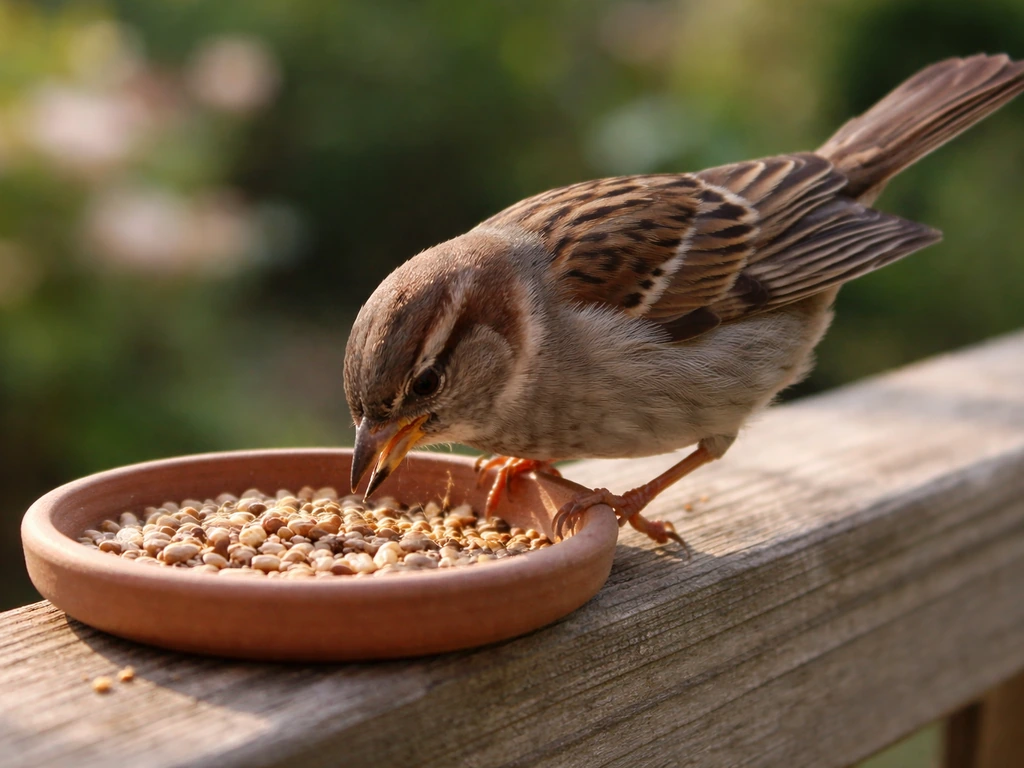
In its most straightforward sense, "bird business" simply refers to whatever birds are doing. Their feeding, nesting, singing, flying, territorial disputes, and daily routines are all, literally, bird business. Birdwatchers, wildlife managers, and pest-control professionals all use the phrase this way without any deeper layer intended.
The second meaning is slang. On Urban Dictionary, "bird business" appears as a casual, mildly dismissive phrase meaning something along the lines of "no big deal" or "just a small, ordinary thing." The usage runs something like: "No problem, just bird business" as a way of waving off a concern or making something sound trivially routine.
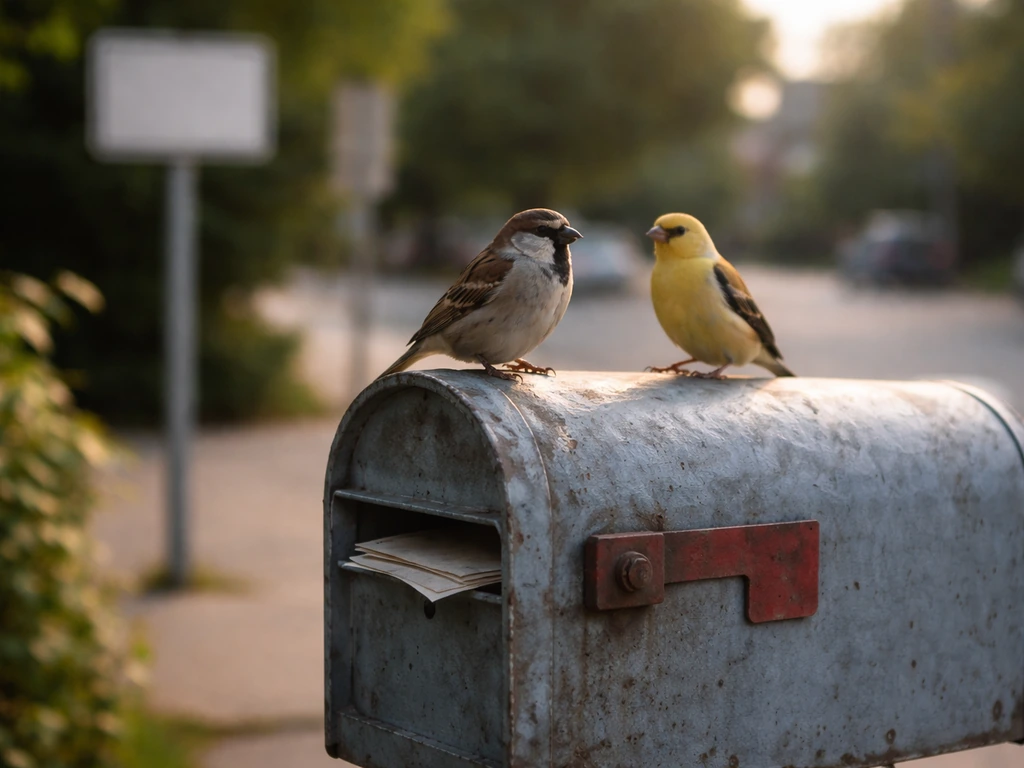
There is also a third, more playful variant: "important bird business," which leans into personification humor. The joke is that birds appear urgently purposeful even when they are just pecking at seeds or hopping across a path. You see this in image captions, tweets, and comedic writing, usually structured as a bird demanding right-of-way: "Outta my way. Important bird business coming through." It is affectionate, funny, and very much its own cultural micro-meme.
How people use it in everyday conversation
The slang layer of "bird business" tends to show up in two conversational patterns. First, as a deflection or humorous non-answer. If someone asks what you were up to and you say "just bird business," you are essentially saying "nothing significant, don't worry about it" while adding a slightly absurdist or playful flavor. It signals low stakes and a casual mood.
Second, it gets used to anthropomorphize birds in a comedic way. A popular science feature about feral parrot populations in Los Angeles described the birds as "screeching in a chorus about important bird business," which is a perfect example of this tone. The writer is not claiming the parrots are actually conducting meetings. The phrase adds personality and approachability to a nature story while making it clear the birds are intensely, hilariously purposeful.
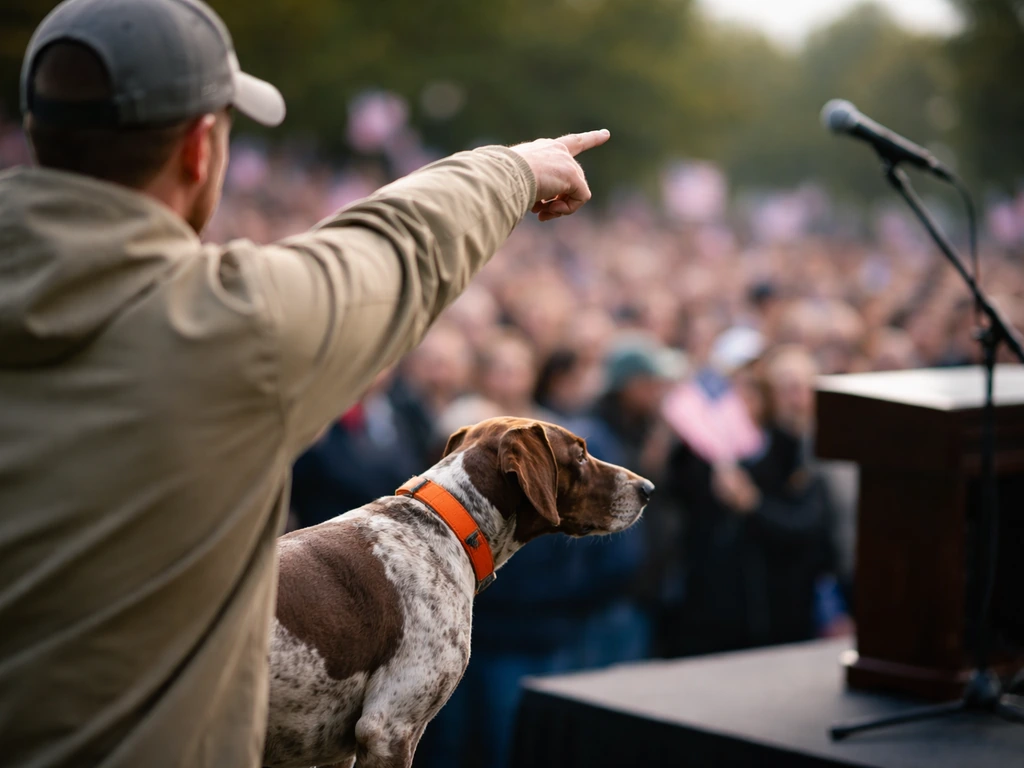
The key signal for this conversational use is tone. If someone says it with a grin, in a caption, or in a context where the whole point is humor or lightness, you are firmly in slang territory. If they say it while pointing at a vent on their roof, they probably mean actual birds.
Birds, work, and luck: the cultural symbolism angle
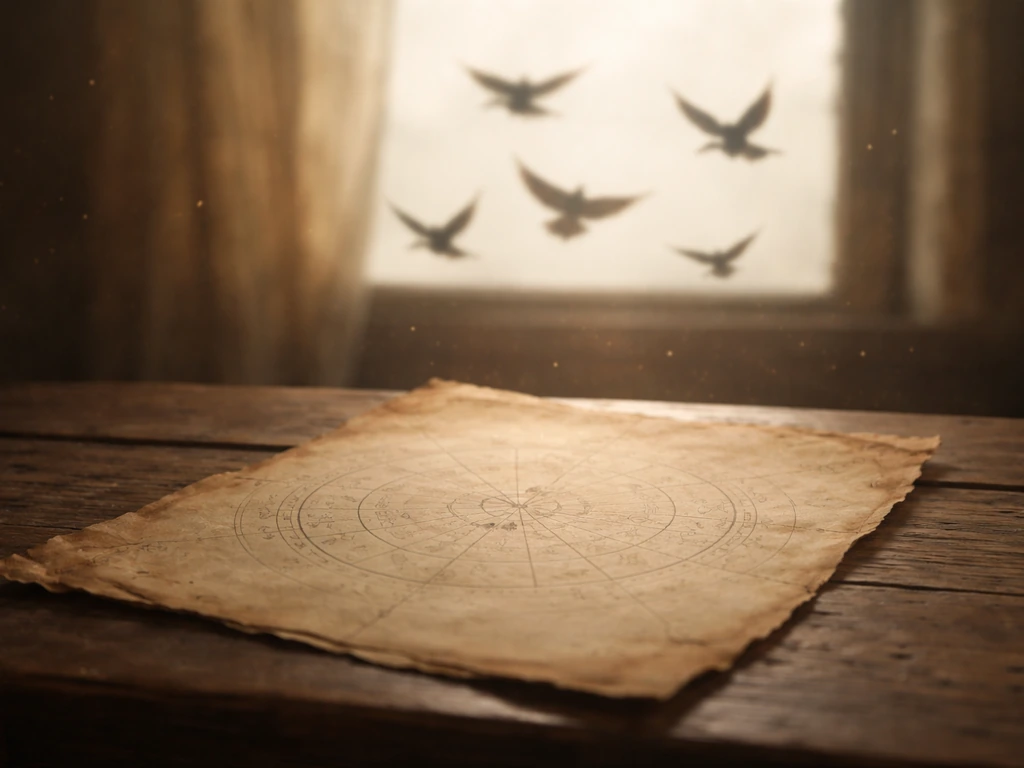
Across dozens of cultures, birds have historically been tied to messages, fate, and the idea that something important is being communicated from one realm to another. That symbolic weight connects naturally to themes of business, duty, and work in the broader sense. Bird-dogging meaning in business is an example of how workplace slang takes on a very specific, action-oriented sense.
In ancient Greek and Roman traditions, the practice of ornithomancy (reading omens from birds' flight patterns and calls) was a formal, respected method of divination used before major decisions, military campaigns, and public matters. If a bird crossed your path on the left before a battle, that was not trivial. The bird's behavior was understood as meaningful data from the gods. This tradition placed birds firmly in the role of messengers between the divine and the human, and that symbolic position has never fully disappeared from Western culture.
In terms of luck specifically, different birds carry different reputations. Robins are commonly associated with good fortune in British and Irish folklore. Ravens and crows are dual-natured: harbingers of change, sometimes positive transformation, sometimes loss. The wren, in Celtic tradition, was considered the king of birds and connected to wisdom and cunning rather than brute power. All of these associations feed into the broader cultural sense that when a bird shows up, it is doing something that matters, even if that something is purely symbolic.
What folklore and spiritual traditions say
The most persistent folk belief in Western tradition, particularly in Southern and Appalachian American culture, is that a bird entering a house signals either an incoming visitor or, in the darker version, death or serious misfortune. This belief has deep roots in older European messenger traditions where birds were understood as spiritual couriers. A bird coming indoors was seen as a message that could not be ignored.
That said, reputable sources are careful to point out that this interpretation is culturally variable and not evidence-based. What counts as a bad omen in one tradition may be a welcome sign in another. Species matters too: a white dove entering a home reads very differently from a crow in most symbolic frameworks. The Environmental Literacy Council explicitly notes that the meaning of a bird in the house is shaped far more by personal belief and cultural background than by any consistent, cross-cultural rule.
From a spiritual or intuitive reading standpoint, birds are widely understood as symbols of freedom, transcendence, and communication between the earthly and the spiritual. If you are drawn to that lens, "bird business" happening around you or in a dream is often interpreted as a nudge toward paying attention to messages, transitions, or things you may be ignoring in your daily life. The specific species, the direction of flight, and the emotional feeling you had in the moment are all considered relevant details in these traditions.
Real-life bird behavior: what to actually watch for
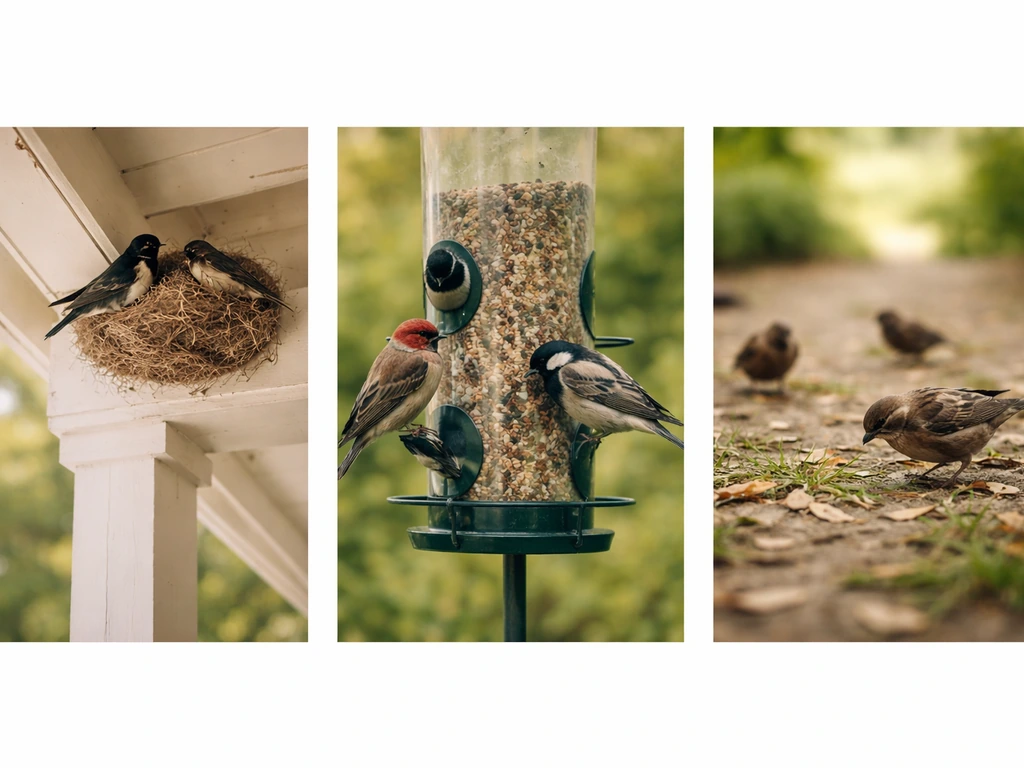
When someone says "bird business" and means it literally, they are usually dealing with one of a handful of practical situations. Here is what the real-world version looks like and when it warrants attention. Bird-dogging is a different expression altogether, with a specific meaning in everyday English.
- Nesting in or near structures: Birds like starlings, sparrows, and pigeons commonly nest in roof vents, gutters, and attic openings. This is normal bird behavior but can cause blocked drainage and structural issues if left unchecked.
- Roosting accumulations: Large numbers of birds roosting on a building produce droppings that are corrosive to stone, metal, and paint, and can create genuine health risks. Wildlife professionals consistently recommend prompt management.
- Birds entering buildings: This almost always has a physical explanation (open vent, broken window screen, light attraction at night) rather than a supernatural one. Sealing entry points and removing nesting material are the practical fixes.
- Territorial or aggressive behavior: Some species, particularly mockingbirds and red-winged blackbirds during nesting season, will dive-bomb humans who get too close to a nest. This is normal protective behavior, not an omen.
- Unusual congregation or die-off: A sudden gathering of large numbers of birds or unexplained deaths in one area can signal environmental issues like a food source, a toxin, or a disease event. These are worth reporting to local wildlife authorities.
The important distinction here is between behavior that is normal (and which just needs practical management) and behavior that is unusual enough to investigate further. Most "bird business" around your home or yard falls squarely in the normal category. The birds are doing what birds do.
Dreaming about bird business: what it might mean
If you are here because you saw something described as "bird business" in a dream, or because birds were visibly occupied with something purposeful in your dream, the interpretive framework most dream guides use centers on a few consistent themes: freedom, communication, spiritual messages, goals, and transitions.
Birds in dreams are widely associated with aspirations and the idea of reaching toward something. A flock of birds busily going about their activities could reflect your own sense of purpose or busyness in waking life, or it might signal a feeling that others around you are engaged and purposeful while you feel left out or uncertain. The emotional tone of the dream is more diagnostic than the birds themselves.
Dream interpretation resources consistently caution against treating any single symbol as a definitive prediction. The meaning of a bird in a dream shifts based on species (a soaring eagle reads differently from a caged sparrow), what the bird is doing, how you felt watching it, and what else was happening in the dream. A bird singing while going about its business feels very different from a bird frantically trying to escape, even though both are technically "bird business."
A few practical dream-reading questions to ask yourself: Was the bird free or confined? Was the activity purposeful or chaotic? Did the bird interact with you or ignore you? Were you watching with curiosity, anxiety, or admiration? Those emotional markers are often more revealing than the bird symbol on its own.
How to figure out which meaning fits your situation
Here is a fast personal checklist you can run through when you encounter "bird business" and want to know which interpretation is most relevant to you.
- Who said it, and how? If it came up in casual conversation, a social media caption, or a joke, you are almost certainly looking at the slang/personification meaning. If someone said it while pointing at actual birds or a property problem, it is literal.
- Where did you encounter it? In a dream: use the spiritual/communication lens and pay attention to your emotional response. In folklore or a cultural context: pull in the omen/symbolism framework, keeping in mind that meanings vary by culture and species. In a physical space with actual birds: assess the behavior practically first.
- Which species and what action? Species matters enormously in both folklore and behavioral terms. A crow landing on your windowsill carries a very different cultural weight than a house sparrow building a nest in your drainpipe. Note the species if you can.
- What was the emotional tone? This applies to both real-life encounters and dreams. Awe, curiosity, and calm tend to point toward positive or transitional symbolism. Dread or unease may be worth exploring in a spiritual or reflective context, but they also might just mean you find pigeons unsettling.
- Is there a practical issue to address? Before going deep on symbolism, check whether there is a real-world need: a blocked vent, accumulated droppings, a nesting bird that needs to be managed humanely. Sort the physical reality first, then layer in meaning if it still feels relevant.
Myth vs. reality: separating the omen from the ornithology
One of the most useful things you can do with any bird encounter is separate what is empirically true about bird behavior from what is culturally or spiritually interpreted. These are not competing frameworks; they just answer different questions.
| Situation | Ornithological reality | Folk/spiritual interpretation |
|---|---|---|
| Bird enters your home | Usually attracted by light, warmth, or an open entry point; a physical and fixable problem | Historically read as a visitor or death omen in some Western traditions; varies widely by culture and species |
| Bird tapping on window | Often territorial: the bird sees its reflection and is defending against a perceived rival | Sometimes interpreted as a message from the spirit world or a deceased loved one |
| Large flock gathering on property | Typically driven by food availability, migration patterns, or communal roosting behavior | In some traditions, a large gathering of dark birds (crows, starlings) signals change or transition |
| Bird dropping on you | Random occurrence; birds defecate frequently and have no targeting intent | Widely considered good luck in several European cultures, particularly before important events |
| Bird singing near your window at dawn | Normal territorial and mating behavior, especially in spring | Sometimes read as a message of encouragement or a positive omen for the day ahead |
The honest position is that both lenses have value. Wildlife science tells you what is happening and what to do about it practically. Cultural and spiritual frameworks offer a way to find meaning in ordinary encounters. You do not have to choose one and dismiss the other. The most grounded approach is to handle any real-world bird issue first, and then, if the encounter still feels significant, explore what it might mean symbolically for where you are in life right now.
If you find yourself drawn to related bird-behavior phrases in business or slang contexts, it is worth knowing that terms like bird-dogging (in real estate and politics) and bird banking carry their own distinct histories and meanings, each rooted in different traditions of using bird metaphors to describe human strategy and behavior. The world of bird-derived language runs deep. In politics, the phrase “bird-dogging” generally refers to closely monitoring or pressuring someone to stay on task bird-dogging meaning politics. The bird dogged meaning on Urban Dictionary is usually used to describe someone who is persistently following or tracking another person.
FAQ
How can I tell if “bird business” is slang or the literal bird-activity meaning in the moment?
Look for purpose and audience. If it is said while someone is joking, captioning, or answering a vague question like “what were you doing?”, it is usually slang. If it is used while pointing at a rooftop vent, backyard feeding, nesting, or droppings, it is likely literal bird behavior.
What does “important bird business” usually imply, and is it ever meant seriously?
It is almost always playful personification, implying “the birds seem urgent and self-important,” not that there is an actual emergency. The phrase can be a mild comedic dodge, so if you need real information (like a roof issue), ask a more concrete question.
If someone says “bird business” to dismiss me, is it just rude, or is there a social nuance?
Often it is a low-stakes deflection, similar to “nothing to worry about.” It can be affectionate or casual rather than hostile. Still, if you are concerned about safety or property damage, do not rely on the phrase, ask what specifically is going on.
Does “bird business” mean anything related to business strategy or workplace culture?
Not by itself. The “bird business meaning” you will encounter is usually either literal bird activity or informal slang. Workplace bird metaphors typically show up in other specific terms (for example, “bird-dogging”), so if you see “bird business” in business talk, confirm the speaker’s intended reference.
What should I do if I see “bird business” around my home, but it might be a pest or nesting problem?
Treat it as a real-world wildlife situation first. Identify the species and where the activity is happening (roof, vents, chimney, gutters). If there is active nesting or birds entering a structure, contact a local wildlife professional or follow local rules before attempting removal.
Is it accurate to interpret any bird entering the house as a bad omen?
No. That belief is culturally rooted and varies widely. The same event may be framed positively in some communities and negatively in others. If it is a practical situation, prioritize checking for entry points, stress to the bird, and safe exclusion rather than assuming the symbolism.
In dream interpretation, do the exact species and actions of the birds change the meaning a lot?
Yes. Dream guides commonly treat species, confinement, and behavior as meaning-shifters. A caged or frantic bird tends to map to pressure or restriction, while a free bird doing routine tasks more often maps to purpose and momentum, with your emotion acting as the tiebreaker.
What common mistake people make when using bird symbols for intuition or “omens” interpretation?
They take one symbol too literally and ignore context. Even within symbolic frameworks, direction, species, and your emotional reaction matter. The practical safeguard is to compare the symbol-based reading with what you can verify about the real-world event.
Are there situations where “bird business” could be misunderstood or cause confusion?
Yes, especially in safety or legal contexts. If someone uses “bird business” to refer to an issue affecting property, health, or compliance, it can sound like you are being brushed off. Rephrase to specifics, like “Are there nesting birds inside the wall, and is anyone doing a proper assessment?”
If I want to explore “bird business meaning” spiritually, what’s the safest way to do it alongside practical action?
Use it as a reflection tool after handling the real situation. First, resolve the bird issue (identify the species, ensure safe removal or exclusion if appropriate). Then, if you still feel the encounter is meaningful, journal the transition or message you suspect, and test it against your current life circumstances instead of treating it like a fixed prediction.
Next Article
Bird-Dogging Meaning in Politics: What It Is, Examples
Bird-dogging meaning in politics: definition, real examples in campaigns, and how to respond safely and legally.