Bird wings carry meaning on several levels at once: behavioral signals you can read in the field, spiritual symbolism rooted in centuries of human tradition, cultural myths that vary dramatically by region, and dream imagery that reflects your own emotional state. Which meaning applies to you depends almost entirely on context, so the most useful thing this guide can do is walk you through each layer and give you a checklist to figure out which one fits your situation.
Bird Wings Meaning: Nature, Dreams, Spiritual and More

Marcus Holloway
7 Jun 2026
What bird wings actually tell you in real life
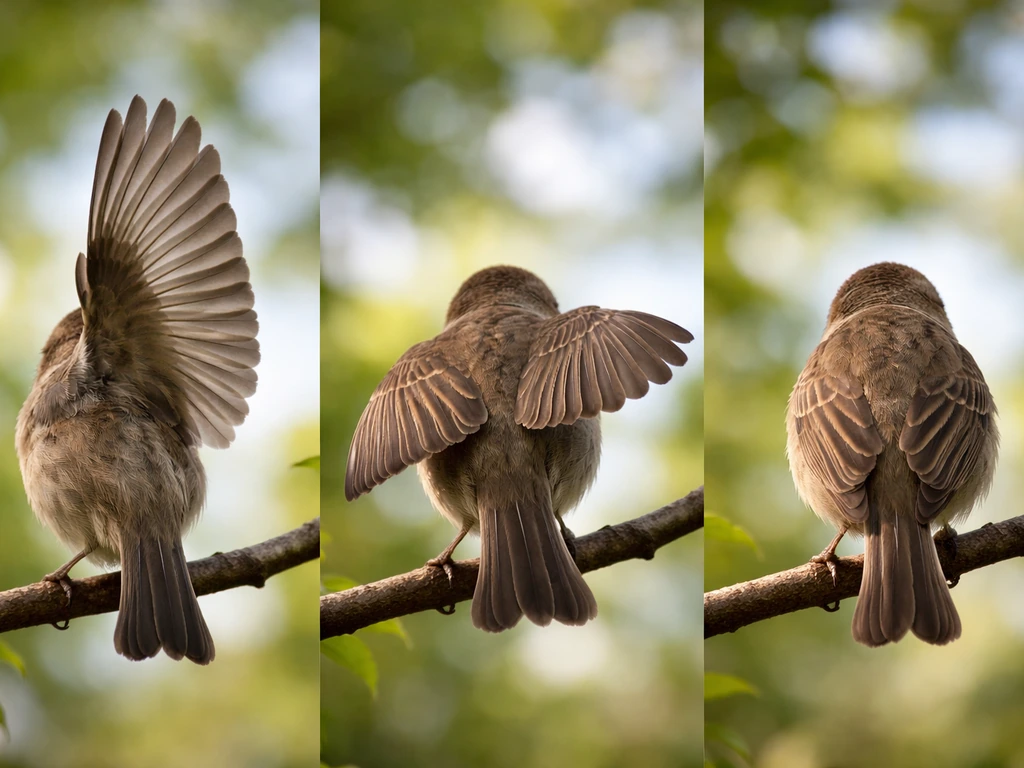
When you observe a bird's wings in the wild or in your backyard, the position, movement, and symmetry of those wings are live data. Birds use their wings to communicate far more than just flight, and once you know the key postures, you can read a lot about what the bird is experiencing.
Wing spreading and drooping: heat, not drama
One of the most commonly misread wing behaviors is a bird holding its wings loosely away from its body, or letting them sag open. Most people assume something is wrong. Often the bird is just hot. Research on ospreys shows that once air temperature climbs above roughly 27.
9°C (about 82°F), they [actively spread their wings to expose the less-insulated undersides and shed heat faster](https://theses. newcastle. ac. uk/jspui/bitstream/10443/2585/1/Iyasere%2C%20O.
%20S. %202014. pdf). Turkey vultures do the same thing, stretching wings wide with the neck extended on warm mornings.
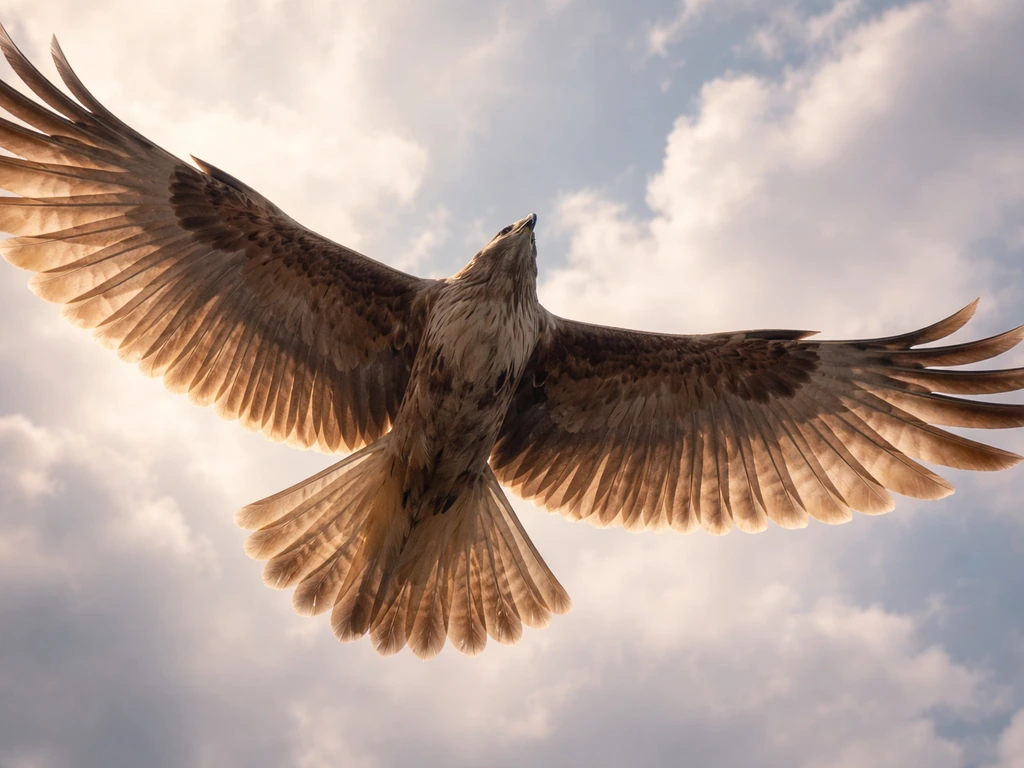
Great Frigatebirds, certain desert falcons, and many other species all use this posture, sometimes called 'airing,' where a bird faces the wind and fans its wings out deliberately. If it's a warm day and the bird looks otherwise healthy and alert, you're almost certainly watching thermoregulation, not distress.
One drooping wing after a scare or fall: take that seriously
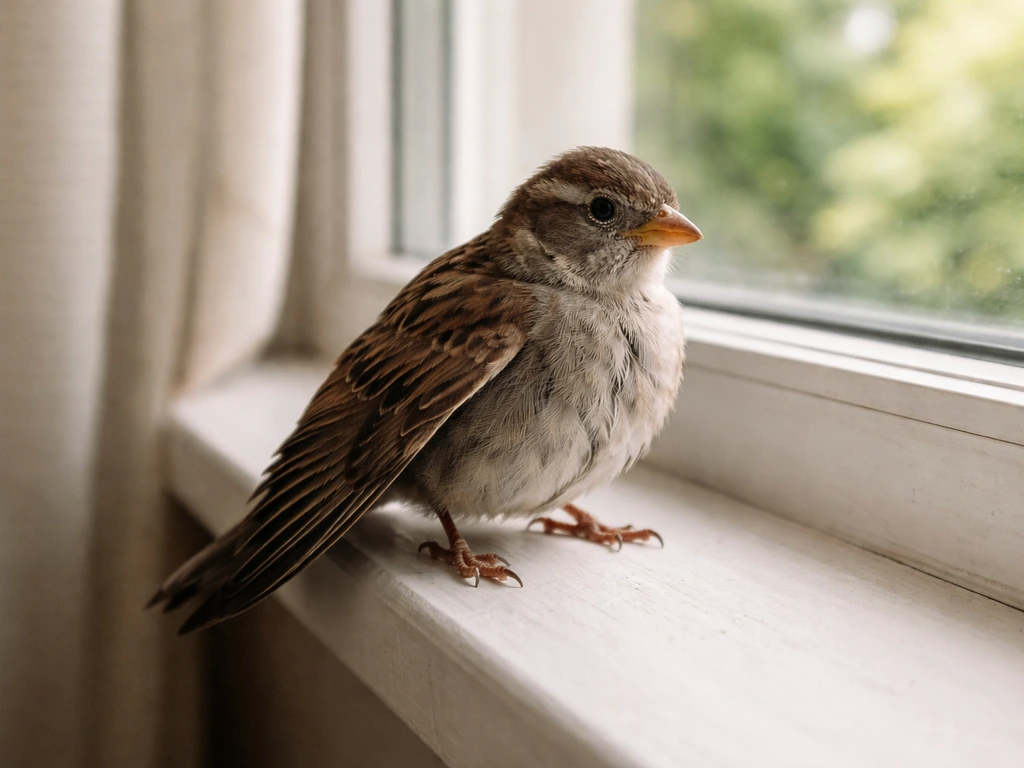
Context changes everything. If you see a bird with one wing hanging noticeably lower than the other, especially after it flew into a window, got caught by a cat, or was startled by a predator, that asymmetry is a red flag.
Veterinary guidance notes that a one-sided wing droop after a known event can accompany weakness, dehydration, systemic illness, or severe stress, and a clear asymmetry after injury raises concern for trauma (SpectrumCare) one wing hanging noticeably lower than the other. A one-sided wing droop following a known physical event commonly points to injury or trauma.
If the droop comes alongside neurological signs like head tilting, falling over, or inability to grip, toxin exposure or neurological disease becomes a possibility too. The same wing-down posture that means 'I'm warm' when it's bilateral and the bird is alert can mean 'I need help' when it's one-sided and the bird is hunched, weak, or unresponsive. If you find a wild bird in that state, contact a licensed wildlife rehabilitator rather than trying to handle it yourself.
Flapping, fanning, and threat displays
Aggressive wing-flapping paired with a fanned-out tail is a threat display, the bird equivalent of puffing up before a confrontation. Birds use these postures to intimidate rivals or warn intruders away from territory, food, or a nest. If you're getting this from a bird near its nest, back up slowly: it's telling you clearly that you're too close. Courtship uses wings differently.
Male birds-of-paradise, for example, use species-specific wing postures during mating displays, including partial wing spreads, rhythmic wing flutters that produce characteristic sounds, and elaborate static postures. The Victoria's Riflebird performs a 'static circular-wings posture' and a 'dynamic alternating wing-clap display. ' Reading courtship versus threat requires watching the full picture: who else is around, what is the bird doing with its body as a whole, and what's the season?
The broken-wing act
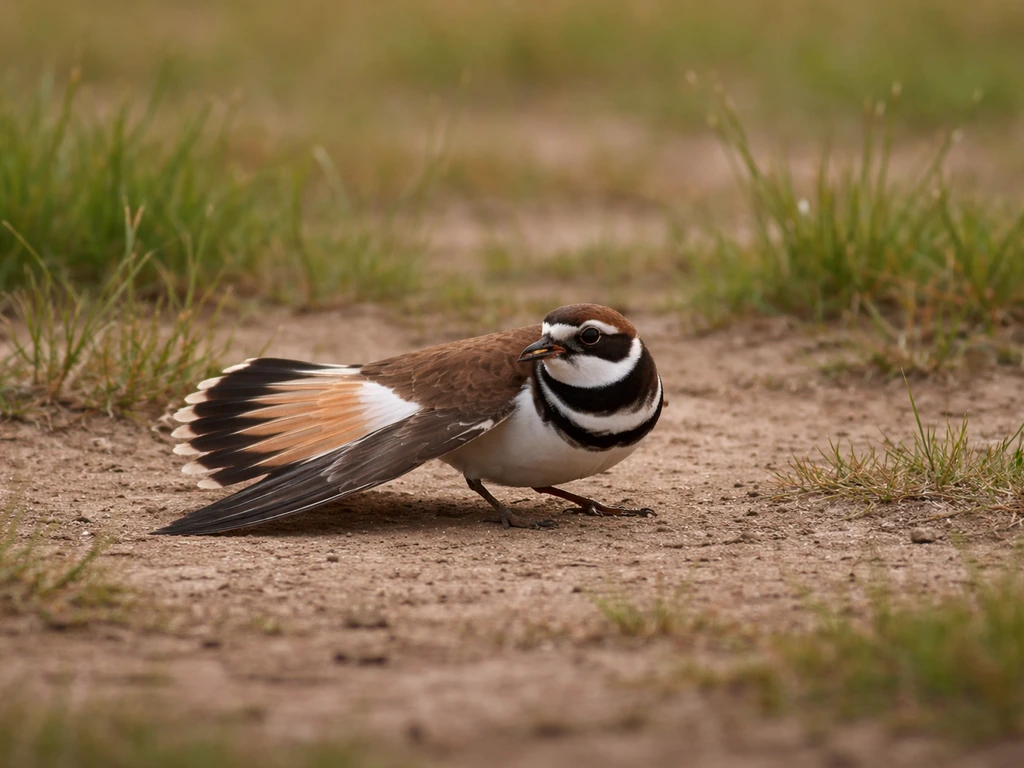
Many ground-nesting birds, including killdeer and certain plovers, perform what ornithologists call a broken-wing display. The bird drags one wing along the ground and stumbles dramatically to convince a predator (or a curious human) that it's injured and an easy catch, luring the threat away from the nest or chicks. If a bird suddenly appears badly injured right in front of you near open ground and then mysteriously recovers once you follow it, you've been played by one of nature's best decoys. It's impressive, not alarming.
Spiritual and omen meanings when you see bird wings
Across most spiritual frameworks, wings carry a consistent core theme: transcendence. The movement from earth to sky maps neatly onto the human experience of striving beyond limitation, whether that's a soul leaving the body, a prayer rising upward, or a person growing beyond their current circumstances. Wings are one of the oldest metaphors for divine access, and that's not an accident.
In Christian tradition, wings appear repeatedly as a symbol of divine protection. Psalms uses the image of God sheltering people under wings the way a bird shelters chicks. Angels across Abrahamic traditions are depicted with wings specifically because wings signal their role as messengers and intermediaries moving between the human and divine realms. Seeing large or striking bird wings, particularly from species like eagles or white birds, is interpreted by many spiritual traditions as a sign of protection, guidance, or a message being delivered. Whether you take that literally or metaphorically is a personal choice, but the symbolic weight behind it is ancient and consistent.
In Persian and Islamic mystical writing, birds and flight imagery appear as metaphors for the soul's journey toward the divine. The flight of a bird symbolizes the soul ascending beyond human limitation and moving toward spiritual truth. If you encountered striking wing imagery in a moment that felt personally significant, many spiritual traditions would encourage you to treat it as a prompt for reflection rather than a literal prediction.
Omen interpretations vary more by species and behavior than by wing shape alone. An eagle spreading its wings overhead reads very differently than a crow fanning its wings near a window. If you're trying to interpret an omen, the species matters as much as the wing behavior. Sparrow and eagle symbolism, for example, occupy very different symbolic territory across traditions, and the posture (spreading wide versus drooping) shifts the omen valence too.
Cultural symbolism of bird wings around the world
Wings are one of the most cross-cultural symbols in human history, appearing in mythology and art from virtually every inhabited region. What they mean varies by tradition, but certain themes keep surfacing.
| Tradition / Culture | What bird wings represent | Notable example |
|---|---|---|
| Christian / Abrahamic | Divine protection, angelic messenger role, God's sheltering presence | Psalms 91:4; angel iconography across churches |
| Persian / Islamic mysticism | Soul's ascent, spiritual transcendence, journey toward the divine | Sufi poetry and the imagery of birds in flight |
| East Asian (China, Japan, Korea) | Longevity, good fortune, elegance, transcendence | Crane wings in art and ceremony |
| Ancient / cross-cultural mythology | Power, freedom, rebirth, the soul leaving the body | Phoenix rising; souls depicted as birds in Egyptian tradition |
| Indigenous / shamanic traditions | Spiritual flight, access to other realms, communication with the spirit world | Winged shamans, eagle feather use in ceremony |
| Western secular / modern | Freedom, independence, aspiration, growth | "Spread your wings" idiom; angel wing tattoos |
The phoenix deserves a specific mention because it combines the themes of wings with death and rebirth in a way that most other bird symbols don't. Wings here aren't just about flight upward; they're about transformation through destruction and renewal. If you're drawn to phoenix wing imagery during a major life change, that cultural resonance is probably doing some real psychological work.
The crane is worth flagging for East Asian contexts specifically. In Chinese, Japanese, and Korean traditions, the crane's wings in flight are deeply tied to longevity and nobility. Origami cranes, crane motifs on wedding kimono, and crane imagery in classical paintings all carry this weight. If you're interpreting wing symbolism in an East Asian cultural context, species identification matters a lot.
What it means when you dream about bird wings

Dreams about bird wings are among the most commonly reported bird dreams, and interpretations cluster around a few reliable themes. The most consistent one across dream analysis traditions is freedom and liberation: dreaming of flying with bird wings, or watching wings spread wide, is widely associated with feeling free from limitations or a desire to break out of a situation that feels confining. From a psychological standpoint, this tracks well because the image of wings directly evokes access to space, movement, and perspective that isn't available on the ground.
Aspiration and growth appear almost as often. Some frameworks, drawing on Adlerian psychology, link wing dreams to themes of striving for significance or reaching higher. If you're in a period of your life where you're pushing for something bigger, a wings dream often reflects that internal state back at you. It's not a prediction; it's a mirror.
A broken or damaged wing in a dream carries a different charge. In Islamic dream interpretation traditions referencing Ibn Sirin, a broken wing can connect to illness or a feeling of being held back. More generally, a damaged wing in a dream is worth sitting with as a possible symbol of something in your life that feels impaired or restricted. Again, this is reflective rather than predictive: use it as a journaling prompt, not a forecast.
The emotional tone of the dream is actually the most important variable. Jungian and modern psychology-leaning approaches both emphasize that the feeling the bird evoked matters more than any fixed dictionary definition. Wings that fill you with wonder and exhilaration read completely differently than wings that feel threatening or overwhelming, even if the visual image is similar. When you're working out what a wings dream meant, start with: what did it feel like? Then layer in the details.
What the wings tell you about the bird (the ornithology angle)
Beyond behavior, the physical structure of a bird's wings tells you a lot about its lifestyle and ecology before it even moves. Wing shape is one of the most reliable identifiers in birding, and it maps onto how and where a bird actually lives.
- Long, narrow wings (like albatrosses and frigatebirds) are built for soaring over open water with minimal flapping. These birds are ocean birds first.
- Broad, slotted wings with spread primary feathers (like eagles, vultures, and hawks) are thermal-soaring wings. The slots reduce drag and give fine control in rising air columns. If you're seeing a bird with this wing shape circling lazily overhead, it's riding a thermal.
- Short, rounded wings (like wrens or wood thrushes) are made for maneuvering through dense vegetation. These birds are forest and shrub specialists.
- Pointed, swept-back wings (like falcons and swifts) are speed wings. Birds with this shape are built for fast pursuit and aerial agility in open sky.
- Wing sounds are also informative. The whooshing produced by large wing beats, the distinctive whistle of a woodcock's display flight, or the wing-clapping of certain pigeons are all intentional signals or byproducts of wing structure that experienced birders use for identification.
Wing condition also matters in a conservation and welfare context. Feather quality, symmetry, and molting stage all affect flight performance. A bird with heavily worn or asymmetrical wing feathers may be at a disadvantage during migration or predator escape. This is one reason why the broader topic of what bird appendages signal, including wings, claws, and tail structure, is so useful for anyone interested in understanding bird health and behavior at a deeper level. Because wings are only one piece of the picture, looking at how bird claws function alongside wing shape can also clarify what the bird needs for feeding, gripping, or movement.
A deeper dive into what bird appendages signal, including claws, is covered in bird claws meaning. If you're also wondering about bird appendage meaning beyond wings, the claws and tail matter too for how to read behavior and health. You may also see bird claws referred to in bird anatomy by the term bird claws are called.
Slang, folk sayings, and superstitions about bird wings
The idiom 'spread your wings' is probably the most widely used colloquial reference to bird wings in modern English. The Cambridge Dictionary defines it straightforwardly as taking on new experiences, becoming more independent, or stepping into new abilities. It carries almost universally positive connotations, and it's used constantly in coaching, graduation speeches, parenting advice, and motivational writing. There's no ambiguity in this one: wings equal growth and independence in everyday language.
Folk superstitions around wings vary a lot by region and are much harder to generalize. In some European traditions, a bird flying into your house and spreading its wings inside is treated as an omen of incoming news, sometimes bad. In others, the species matters more than the wing behavior. A raven spreading its wings near a home carries very different folk weight than a wren doing the same. The honest answer about superstitions is that they're highly local and often contradictory, so if you're trying to decode a specific folk belief, you need to know the regional tradition it comes from.
Modern internet culture has generated its own wing folklore. A viral meme format featuring a bird spreading its wings and flying upward, nicknamed the 'Fever Dream Bird,' has accumulated layers of community-attached meaning online, with users projecting personal and dream-like significance onto the image. This is a good example of how wing symbolism continues to evolve and get repurposed: the same visual of wings spreading upward gets absorbed into new cultural containers in every generation.
One myth worth busting directly: a bird sitting with its wings drooped or spread is not automatically a bad omen. In most real-life cases, it's just a warm bird doing exactly what warm birds do. Superstition and reality diverge most sharply here. If you read a drooping-wing posture as a spiritual warning when the bird is simply thermoregulating on a 30°C afternoon, you're importing meaning that isn't there.
How to figure out which meaning actually applies to you
Because 'bird wings meaning' spans so many contexts, the fastest way to get to the right answer is to ask yourself a set of specific questions. Work through these in order and the relevant layer should become clear quickly.
- Was this a real bird you observed, or an image in a dream, a tattoo, artwork, or a written/spoken reference? Real bird observations belong in the behavioral/ornithology lane first. Dreams, art, and language belong in the symbolic lane.
- If it was a real bird: what species was it, what were the weather conditions, and was the wing posture bilateral (both wings) or unilateral (one wing)? Bilateral spreading on a warm day means heat regulation. One-sided droop after trauma means potential injury.
- What was the bird doing with the rest of its body? Alert posture with spread wings reads very differently than hunched, fluffed posture with a drooping wing. Eyes open and responsive is reassuring; eyes closed and unresponsive is urgent.
- If you're interpreting spiritually or culturally: what tradition or framework matters to you? The meaning of wings in Christian symbolism differs from East Asian crane symbolism differs from Sufi mystical poetry. Get specific about which lens you're applying.
- If it was a dream: what emotion did the dream produce? Write that down before anything else. Then note the wing condition (whole, broken, spread, folded), what the bird was doing, and whether you were the bird or observing it.
- What is happening in your life right now? Symbolic and dream interpretations land differently depending on context. A wings dream during a career transition means something different in personal reflection than the same dream during a period of stability.
- Is there a folk or slang usage you encountered in speech or writing? If someone used 'bird wings' in a sentence metaphorically, they almost certainly mean freedom, transcendence, or growth. The idiom 'spread your wings' has a fixed meaning in everyday English.
Next steps based on what you found
| What you observed or experienced | Recommended next step |
|---|---|
| Real bird with bilateral wing droop on a hot day, alert and mobile | Observe from a respectful distance, do not intervene. It's thermoregulating. |
| Real bird with one-sided wing droop after impact, fall, or predator contact | Contact a licensed wildlife rehabilitator in your area. Do not try to handle without guidance. |
| Bird performing threat displays (wing-flapping, tail-fanning) near a nest | Back away slowly. Give the bird more space and return later if you need to be in that area. |
| Spiritual/omen interpretation feels relevant | Use it as a reflection prompt. Note what the encounter felt like and whether any current life themes connect. Avoid treating it as a fixed prediction. |
| Dream about bird wings | Journal the emotional tone first, then the visual details. Use the imagery as a mirror for what you're processing, not a forecast. |
| Cultural symbolism question | Identify the specific tradition you're working with. Species and cultural context matter more than the generic 'wing' image. |
| Slang or folk saying | For 'spread your wings,' the meaning is independence and growth. For regional superstitions, trace the specific tradition for accuracy. |
The throughline across every context is this: wings mean something specific when you add context, and almost nothing useful when you don't. A wing posture in a hot field, a wing image in a dream, and a wing reference in a poem are three completely different questions. The moment you pin down which category you're working in, the right interpretation gets much easier to find. And if you're seeing repeated wing imagery across multiple contexts, that overlap itself is worth paying attention to, not as a magical sign, but as a signal that something is resonating for you personally right now.
FAQ
How can I tell the difference between a “warm bird airing” posture and a bird that’s actually in trouble?
Use a two-step check: look for symmetry and alertness first. Bilateral wing spreading with normal posture, good balance, and responsive head movement usually points to thermoregulation. A one-sided droop, a hunched body, slow or absent reactions, or inability to grip after a known event (window strike, cat, collision) is the higher-risk pattern that warrants contacting a wildlife rehabilitator.
What should I do if I find a bird with one wing drooping but I’m not sure what caused it?
Avoid handling it immediately. Photograph or observe from a distance, note whether it can stand and hop normally, and check for signs like head tilting, repeated falls, or closed-eye weakness. If any neurological or trauma indicators show up, contact a licensed wildlife rehabilitator, because one-sided wing droop can reflect injury, toxins, or neurological issues.
Do broken-wing “decoy” displays mean I should back away immediately from the area?
Yes, back away slowly and give the bird time to redirect you. Even if it recovers after you follow it, the safest behavior is to reduce disturbance and keep distance from nests and chicks. The key clue is the dramatic, staged injury near ground, followed by a “recovery” once you move away.
If I see an omen, how do I avoid over-reading wings when the species isn’t obvious?
Anchor your interpretation to observable behavior rather than wing shape alone. If species is unclear, you can still track posture context (for example, threat display near a nest versus a wing spread at a window) and keep the meaning tentative. When species later becomes identifiable, your interpretation can be refined, not replaced.
What’s the most reliable way to interpret wing imagery in dreams?
Start with emotion, then match the dream to your current situation. Two people can dream the same “wings spread” image but feel freedom versus overwhelm. The feeling is the strongest variable, and your waking circumstances tell you whether it’s more like liberation, aspiration, or a sense of being blocked.
Can a dream about damaged or broken wings be positive sometimes?
It’s possible, but it usually functions as a reflection on constraint or impairment. A helpful approach is journaling two questions: “What area of life feels limited right now?” and “What would progress look like if the limitation were temporary?” If the tone is more resigned than fearful, it can also signal realistic acceptance and planning.
How should I interpret “spread your wings” if I’m going through something scary, not exciting?
Treat it as “readiness for change” rather than “guaranteed good results.” In motivational usage it’s usually positive, but in your own life the phrase can mean stepping into ability you have not used yet, even if you feel anxious. The decision aid is: is this about expanding skills, taking independence, or finally committing despite uncertainty?
What if multiple wing-related images show up for me in different places, does that automatically mean it’s spiritual?
Not automatically. Repeated imagery can mean personal resonance, but it can also reflect what your mind has been focused on (media, nature experiences, stress, goals). A practical method is to check whether the meanings converge into the same theme in your life right now, and whether the emotional tone in each context is consistent.
Is bird-wing symbolism different across cultures, and does species identification matter?
Yes, it varies a lot, and species can change the interpretation significantly. Cultural motifs often attach meaning to specific birds (for instance, crane imagery in East Asian contexts, or eagles versus crows in different folk traditions). If you’re working with symbolism, the most actionable step is to identify the species and the regional tradition the idea comes from.
How do I interpret spiritual or transcendence themes in a way that doesn’t feel like fortune-telling?
Use the image as a prompt for reflection, not a prediction. Ask what “moving beyond limitation” could mean in your current life (a boundary, a relationship dynamic, a belief you are outgrowing). When the message feels personal and clarifying, it tends to function like guidance; when it creates fear or certainty claims, treat it as intuition needing grounding.
Next Article
Bird Sparrow Meaning: Symbolism, Dreams, Folklore Explained
Decode bird sparrow meaning in reality, dreams, and folklore: symbolism, myths, behavior cues, and how to apply it.