When most people search 'bird spikes meaning,' they land in one of three very different situations: they just spotted a bird doing something visually dramatic with its feathers or crest, they had a dream involving a bird with sharp or spiky imagery, or they stumbled across anti-roosting hardware and want to know what it is. The answer to each of those is genuinely different, and the fastest thing I can do for you is help you figure out which situation you're actually in before you go down the wrong interpretation rabbit hole.
Bird Spikes Meaning: Literal, Figurative, and Practical

Marcus Holloway
29 Jun 2026
Literal vs. Figurative: Two Very Different Things
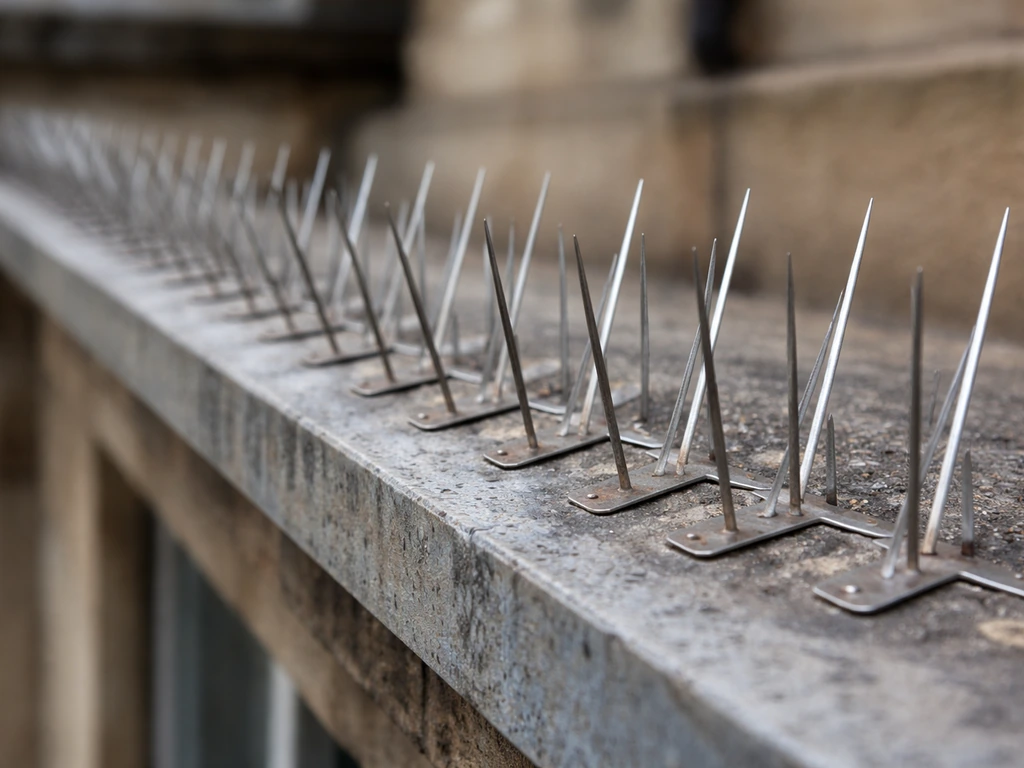
Let's clear up the most common confusion first. In everyday practical English, 'bird spikes' almost always means the physical anti-roosting devices you see bolted along building ledges, window sills, parapets, and pipes. These are needle-like metal or plastic rods installed specifically to stop pigeons and other birds from landing or nesting. The RSPB and commercial bird-control companies both recommend them as a humane deterrent. If you've seen a row of pointy metal prongs on a building and wondered what they were, that's it. The bird gets a light, uncomfortable prick when it tries to land, decides the spot isn't worth it, and moves on.
The figurative use is a different thing entirely. When someone says they 'saw a bird with spikes' or 'dreamed about spiky birds,' they're usually describing a visual impression: feathers standing on end, a dramatic raised crest, or an overall prickly, bristled appearance. The word “spike” can mean both a pointed, sharp object and a sudden sharp increase, which is why “spikes” can be used literally or figuratively in English [spiky birds](https://www. merriam-webster.
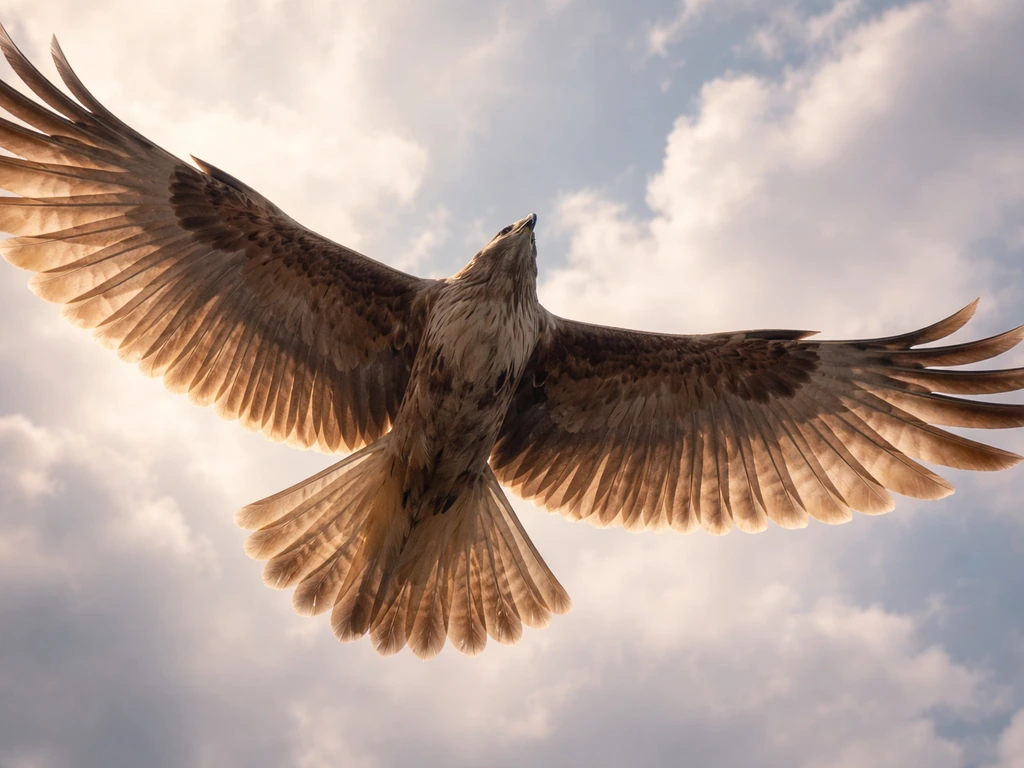
com/dictionary/spike). That's not about hardware at all. It's a description of bird behavior or anatomy, and it carries its own set of meanings, spiritual or behavioral, depending on the context you encountered it in. Bird wings meaning can add another layer if your sighting or dream also points to flight, freedom, or protective motion.
Where People Usually Encounter the Phrase

In practice, 'bird spikes' shows up in four main places, and knowing which one applies to you shapes everything that follows.
- Urban signage and buildings: You've noticed the anti-roosting spikes on architecture and want to understand what they are or whether they're harmful to birds.
- In-person sightings: You watched a bird raise its crest or bristle its feathers aggressively or unexpectedly and the 'spiky' word stuck in your head as the best description of what you saw.
- Dreams: You had a dream involving a bird that felt sharp, threatening, or visually prickly, and you're trying to decode what that imagery might mean symbolically.
- Slang or internet usage: You came across the phrase in a post, meme, or online forum and want to know if it carries a specific cultural or colloquial meaning.
Most of the genuinely interesting interpretive territory lives in the second and third categories. The anti-roosting hardware question has a very literal, practical answer. The feather-posture and dream questions open up into behavioral biology, spiritual symbolism, and cross-cultural tradition.
What 'Spikes' Can Actually Mean on a Real Bird
Several bird species have naturally spiky or crest-like feather structures that can genuinely startle you if you're not expecting them. Waxwings, crested auklets, royal flycatchers, and hoopoes are classic examples of birds with dramatic upright feather crests that look almost architectural. These crests are real anatomical features, not a sign something is wrong. If you saw a bird and thought 'that looks spiky,' you may have simply encountered a species that sports one of these impressive structures as a normal part of its appearance. Bird claws are called what?
Beyond species-specific crests, the 'spiky' visual can also describe a behavioral posture any bird can temporarily adopt. When a bird raises and fans its crown or body feathers so they stand upright and separate, the result looks bristled and sharp-edged, exactly the kind of thing someone might describe as 'spiky.' This isn't permanent anatomy; it's a dynamic posture that lasts seconds to minutes depending on what the bird is communicating.
Spiritual and Cultural Readings of Spiky Bird Imagery
In many spiritual and symbolic traditions, birds function as messengers, transitional figures, or divine envoys. This broad framing is consistent across Christian iconography, indigenous storytelling traditions, and popular spiritual forums alike. The specific visual of a 'spiky' or bristled bird, feathers raised, body upright and dramatic, tends to get read symbolically as a signal of boundaries, defensiveness, or heightened awareness. The logic follows the same interpretive thread as porcupine quills in dream symbolism: raised spines mean 'back off' or 'I am protecting something.'
In dream dictionaries, spike imagery generally maps to warnings, obstacles, or themes of emotional guardedness. In that context, the bird appendage meaning people seek is usually about protection, warnings, or heightened awareness spike imagery. When you combine that with bird symbolism (freedom, transition, spiritual messages), you get an interpretation cluster that centers on the idea of a message delivered sharply, or a spiritual threshold that comes with a warning rather than an open invitation. Biblical tradition handles feather imagery more gently, with feathers evoking warmth, shelter, and divine protection, but the raised-feather visual often signals something more active and confrontational in folk interpretation.
Worth noting: different traditions handle this differently, and no single spiritual interpretation is authoritative. If you're approaching this from a personal spiritual practice, the cultural context you already inhabit matters more than any generic dream-dictionary entry. The pattern that does hold consistently across traditions is that the behavior of the bird in the vision or sighting shapes the meaning more than the visual alone.
Behavioral Science: What's Actually Driving the Spiky Look
If you saw a real bird looking 'spiky,' here are the most common behavioral explanations, ranked by how often they actually account for what people observe.
| Behavior/Cause | What It Looks Like | What It Likely Means |
|---|---|---|
| Threat posture / dominance | Feathers raised, body upright, facing another bird or perceived threat | Asserting territory or rank; trying to appear larger and more intimidating |
| Courtship display | Crest fanned or raised, dramatic posturing toward a potential mate | Breeding-season signaling; common in crested species like auklets and waxwings |
| Fear / stress response | Feathers puffed and raised, body tense, bird may be frozen or erratic | Perceived danger; bird is preparing for flight or freeze |
| Thermoregulation / comfort | Feathers loosely puffed, bird appears relaxed, eyes may be half-closed | Normal behavior for warmth, especially in cool weather or post-bath |
| Illness | Feathers raised and held for extended periods, bird hunched, lethargic, eyes dull | Possible health issue; requires multi-symptom check, not a single-cue diagnosis |
The key variable is context. A bird with raised feathers facing off against a rival is doing something completely different from a bird with raised feathers sitting alone on a branch for an extended period. Posture plus behavior plus environment is the diagnostic triangle you want to use. Seasonal context matters too: during spring and early summer breeding season, dramatic feather displays in otherwise calm birds are almost always courtship or territorial signaling, not distress.
Crest posture also carries specific nuance in species that have them. In waxwings, for example, a stiff upright crest signals threat toward a rival, while a flat or softly ruffled crest is non-threatening. The same 'spiky' crest can mean opposite things depending on whether it's pointed aggressively or simply worn as part of relaxed grooming. This is a good example of why birdwatchers emphasize reading the whole bird, not just one striking feature.
What to Actually Do Right Now
If you saw a bird in the wild
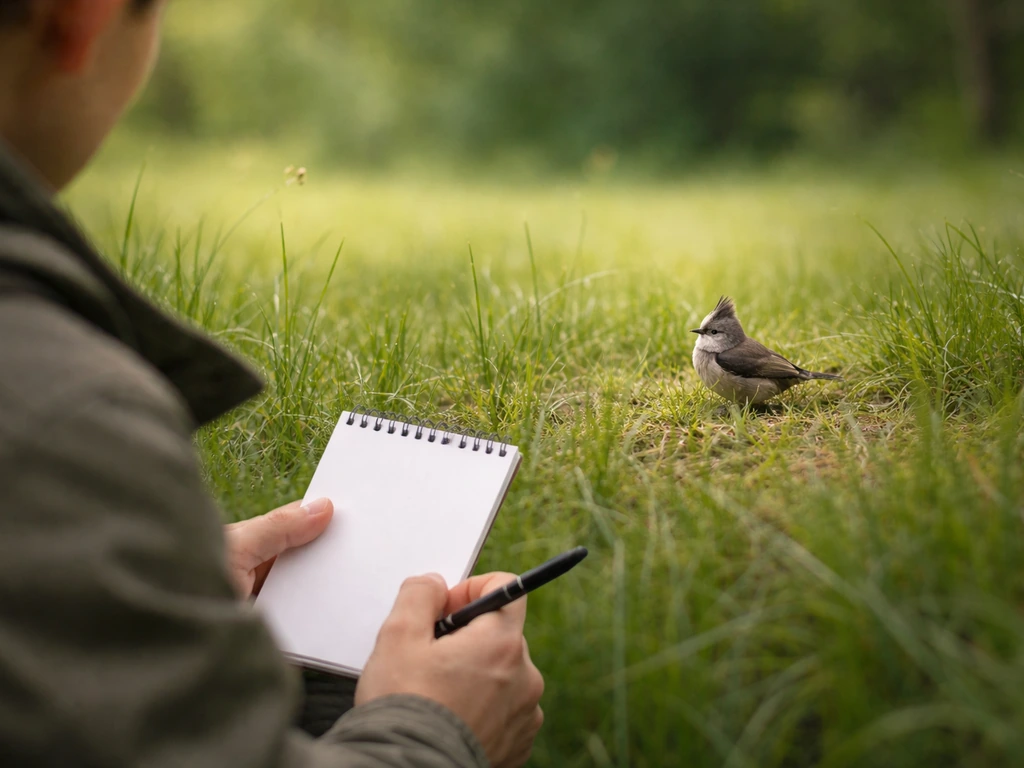
- Note what the bird was doing before and after the spiky display. Was it interacting with another bird, reacting to you, or sitting alone?
- Check the time of year. If it's spring or early summer, courtship and territorial behavior are by far the most likely explanation.
- Look at the eyes, posture, and surroundings. A healthy bird doing a display will be alert, mobile, and purposeful. A sick bird will look dull-eyed, hunched, and unresponsive.
- If the bird looks injured (bleeding, broken wing, asymmetrical limb, abnormal head tilt, or obvious wounds from a cat bite), don't chase it or try to pick it up. Instead, place it in a warm, dark, quiet container and contact a local wildlife rehabilitator immediately. Don't offer food or water.
If you had a dream about spiky birds
Start with the obvious: rule out a physical cause first. Dreams about prickling, pricking, or sharp sensations sometimes correspond to real tactile sensations during sleep, like a limb falling asleep or a skin irritation. If there's no physical explanation, then look at what the bird was doing in the dream. Was it threatening you, displaying for you, or simply present? The behavior of the dream bird matters as much in symbolic terms as it does in real-life ornithological terms. A bird displaying its spiky crest at you reads differently than a bird with spikes attacking you or a bird simply sitting quietly with its feathers raised.
When to call a professional
The USFWS is explicit on this: attempting to capture or transport a wild bird without guidance can be illegal and increases the bird's stress significantly. If you find a bird that shows red-flag symptoms, bleeding, broken bones, visible deformity, maggots, large swellings under the skin, or a cat bite (even small puncture wounds from cats are serious medical emergencies for birds), call a wildlife rehabilitator before you do anything else.
Your state or regional wildlife agency can connect you with a licensed rehabber. In the meantime, keep the bird contained in a warm, dark, quiet place with no food or water until you get professional instruction. Tufts Wildlife Clinic similarly advises against handling the bird and recommends keeping it warm, dark, and quiet while you find a local wildlife rehabilitator [keeping the bird contained in a warm, dark, quiet place](https://vet. tufts.
edu/tufts-wildlife-clinic/found-wildlife/what-do-if-you-found-sick-or-injured-songbirds).
Common Myths Worth Dropping
The biggest myth is that a bird looking 'spiky' is automatically an omen. The vast majority of the time, a bird with raised feathers or a dramatic crest is doing something entirely routine: staying warm, asserting dominance, courting a mate, or reacting to a perceived threat. It's behavior, not a broadcast aimed at you. The impulse to read personal meaning into ordinary wildlife behavior is deeply human and has been part of every culture that has ever lived alongside birds, but it's worth separating the interpretive tradition from the factual baseline.
Another common trap: assuming that puffed or raised feathers always mean illness. Community discussions among bird owners frequently show this worry surfacing, and the answer is almost always the same: feather posture is one data point, not a diagnosis. Illness is indicated by a combination of factors, sustained puffing alongside lethargy, dull eyes, discharge from eyes or nostrils, abnormal droppings, and reduced responsiveness. One dramatic posture from an otherwise alert, active bird is not a medical emergency.
Finally, be careful about applying a single universal spiritual meaning to 'spiky bird' imagery. Dream-dictionary spike symbolism (warnings, obstacles, defensiveness) was built primarily around inanimate sharp objects. Birds carry their own separate symbolic tradition around freedom, messages, and transition. When you combine them, you're doing interpretive work that no single tradition has codified. That's fine as a personal practice, but treat it as your own synthesis rather than an established meaning with cultural authority.
If you're interested in how specific bird body parts carry symbolic weight beyond feather posture, the meanings attached to bird claws, wings, and even individual species like sparrows each carry their own interpretive histories. Those layers can add depth to how you read spiky or dramatic bird imagery once you've sorted out the behavioral basics first.
FAQ
How can I tell whether “bird spikes” means building hardware or a live bird’s crest/feather posture?
“Bird spikes” usually refers to anti-roosting hardware only when you are looking at a building surface (ledges, sills, parapets, pipes) with repeated metal or plastic points. If you mean a live bird’s appearance, the correct mental frame is raised crest, bristled feathers, or a temporary display posture, not deterrent equipment.
Does a bird looking “spiky” automatically mean it’s sick or injured?
If the feathers look raised but the bird is active, alert, and responsive, it is more likely a display, self-soothing, or seasonal behavior than illness. Red flags that push it toward injury or disease are sustained puffing plus lethargy, dull eyes, discharge from eyes or nostrils, abnormal droppings, or visible injury.
What should I consider first when interpreting a spiky-feather sighting in real life?
Use the “context triangle”: posture plus behavior plus environment. For example, a bird raising and facing a rival during spring or early summer is commonly territorial or courtship signaling, while the same “spiky” look while the bird is alone and relaxed is more likely normal crest mechanics or grooming.
What if I dreamed about a spiky bird, but I also woke up feeling prickly or uncomfortable?
In dreams, spike or prickly sensations can sometimes reflect ordinary body signals during sleep (a sleeping limb, skin irritation, temperature changes). If the dream consistently matches real-world sensations, start with those physical possibilities before assigning deep symbolic meaning.
How do I interpret “spiky bird” dreams differently if the bird attacks me versus just appears?
A single bird image can shift meaning depending on what the bird does toward you. “Displaying at me” or “threatening me” typically reads very differently from “passing by calmly” or “sitting bristled with no direct interaction.” In other words, relationship and motion matter more than the look alone.
How can I tell whether a “spiky” look is normal crest anatomy versus a problem?
Your best guide is whether it is a natural crest species or a temporary posture. For natural crested species, the crest often has a normal range (upright, ruffled, flattened) tied to mood and season. If the “spikiness” is paired with injury signs (bleeding, broken bones, puncture marks), treat it as a wildlife-emergency situation instead of symbolism.
What should I do if I suspect a real bird is hurt and looks spiky or bristled?
If you find a wild bird that may be injured, it is safer to contact a licensed wildlife rehabilitator before handling. Keep it in a warm, dark, quiet container and avoid offering food or water until you have instructions, because stress and improper feeding can worsen outcomes.
Why can the same spiky-looking crest mean different things for different birds (or moments)?
A “spiky” crest can mean opposite things depending on aggression versus relaxation. For some species, an upright, stiff crest is threat toward a rival, while a flattened or softly ruffled crest can be non-threatening. The key is whether the bird is fixed on confronting or simply grooming and resting.
Are there any rules for using dream symbolism without over-trusting generic “spike meanings”?
Avoid treating dream dictionaries as universal truth. In your personal practice, the specific feelings in the dream (guarded, protected, warned, challenged, transitioning) and the bird’s behavior (approaching, protecting, confronting, departing) should guide your interpretation more than a pre-set definition of “spike imagery.”
If “bird spikes” are deterrent hardware, what’s the practical next step if birds keep returning to the same place?
Anti-roosting hardware is designed to deter landing by making perching uncomfortable, but it is also site-specific. If you are considering installing it, the practical next step is to identify the exact roosting points (what the birds target) and ensure you are using the right type for the surface, rather than assuming one product works for every ledge.
Next Article
Bird Wings Meaning: Nature, Dreams, Spiritual and More
Discover bird wings meaning in nature, dreams, and symbolism, plus a checklist to interpret wing cues safely.