
When you find a bird that's dying or dead, start with the real world before reaching for symbolism. The most common causes are window strikes, cat attacks, poisoning, disease, and starvation, and most of these leave clear clues at the scene. Once you've ruled out an immediate hazard to you, your family, or other animals, then it makes complete sense to explore what the moment means to you spiritually or culturally. Both lenses are valid. But the order matters: safety and cause first, meaning second.
Bird Dying Meaning: What It Could Mean and What to Do

Marcus Holloway
31 May 2026
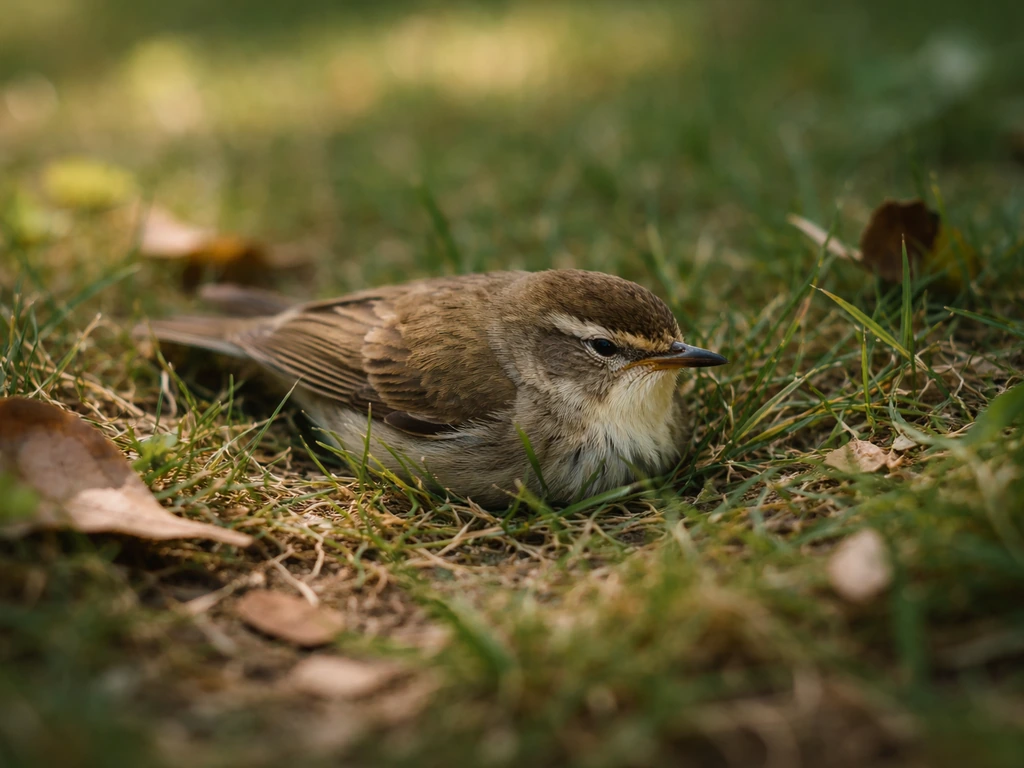
What people actually mean when they search 'bird dying meaning'
This search sits at a crossroads. Some people typing it just found a bird on their porch and want to know why it collapsed. Others had a vivid dream about a dying bird and want to know what their subconscious is processing. A smaller group found a dead bird in an unusual place and are wondering if it's an omen.
All three are completely reasonable things to want to know, and this article covers all of them. The key is knowing which question you're actually asking, because the practical and the symbolic answers are very different, and mixing them up too early can cause real problems (like ignoring a disease risk because you're focused on what the universe is trying to tell you).
Why birds die suddenly: check these real-world causes first
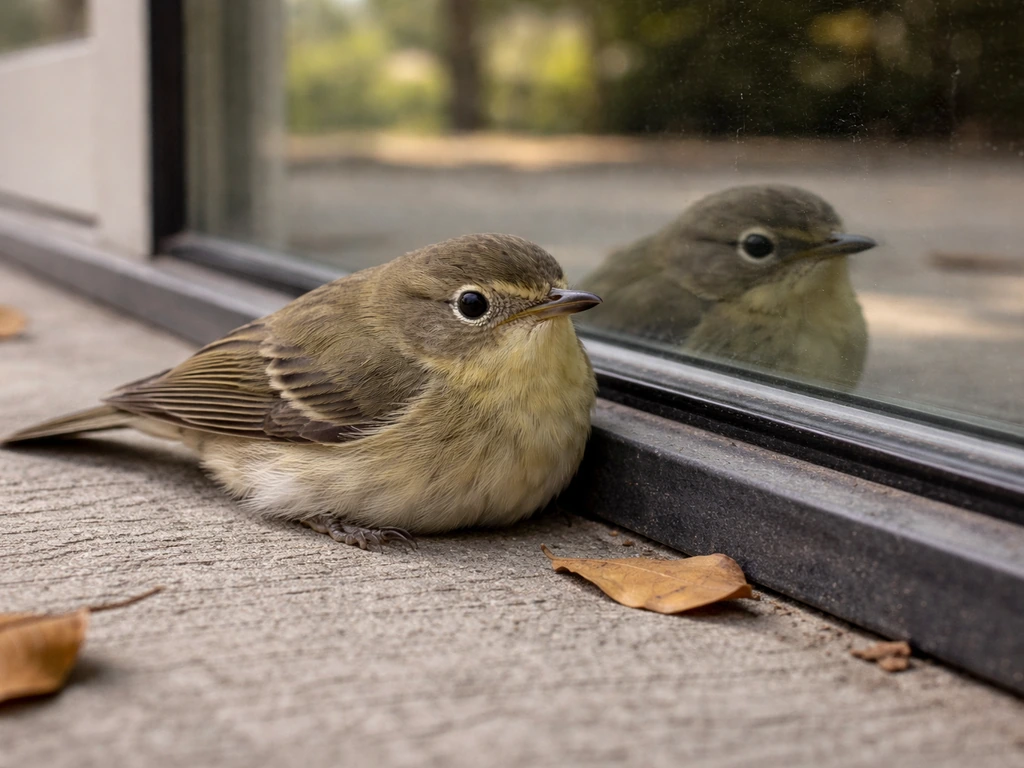
Before anything else, look at the environment around the bird. The cause of death or distress is usually visible if you know what to look for. Here are the most common culprits, roughly in order of frequency.
Window strikes
This is the single most common reason people find a stunned or dying bird near a building. Birds can't easily perceive glass, especially when it reflects sky or plants. A bird that hit your window will often be on the ground directly below it, sometimes still alive but motionless. If it hit hard enough, it may be bleeding from the nostrils or showing a drooping wing. Many birds recover within an hour if they're placed somewhere safe, quiet, and sheltered from predators.
Cat and predator attacks
Cats are responsible for an enormous number of bird deaths annually. A bird that's been grabbed and released, even briefly, often has puncture wounds under its feathers that aren't immediately obvious. These wounds almost always become infected within 24 to 48 hours, so even a bird that looks fine after a cat encounter needs professional care fast. Look for wet or matted feathers on the body, missing tail feathers, or an asymmetrical wing position.
Poisoning
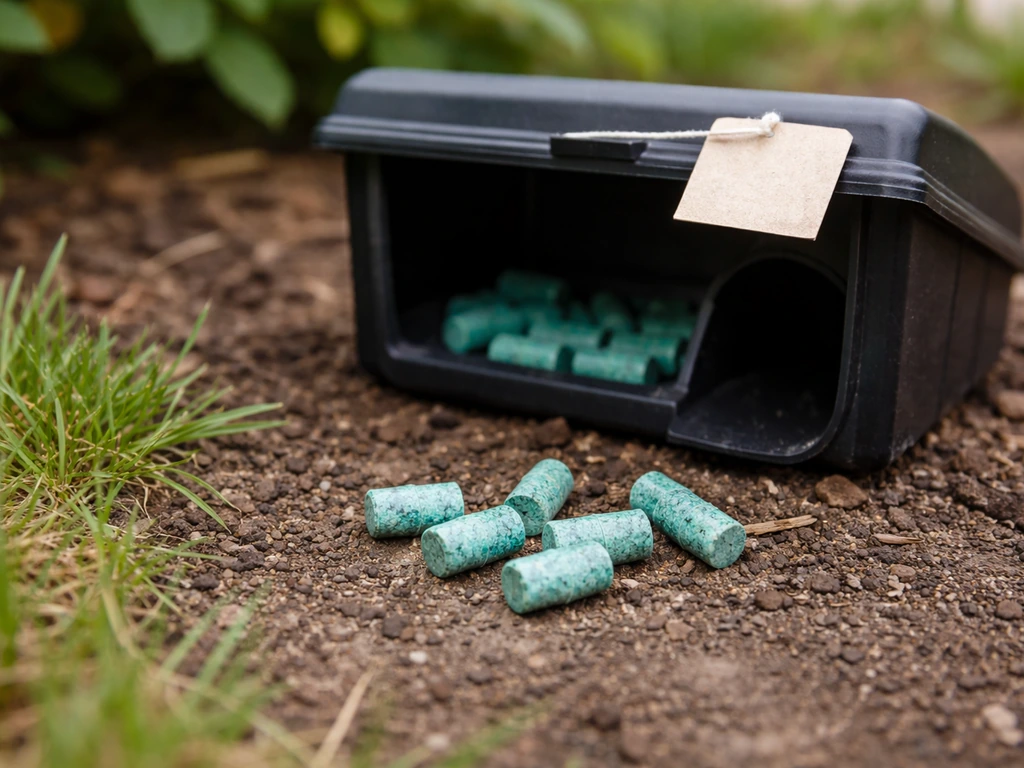
Rodenticide (rat poison) is a major and underreported cause of songbird and raptor deaths. Birds of prey that eat poisoned rodents get a secondary dose. Yard pesticides, herbicides on treated grass, and contaminated feeders can also poison backyard birds. Signs include trembling, seizure-like movements, leg weakness, or a bird that appears alert but can't stand or fly. If you suspect poisoning, this is a veterinary emergency.
Disease
Avian influenza is a contagious viral disease that affects both wild and domestic birds, and outbreaks have become more frequent and widespread. Salmonellosis is common around feeders, especially in the winter. West Nile virus primarily affects corvids (crows and jays), and finding multiple dead crows in one area is considered a reporting flag in many states. The CDC notes there is no evidence that a person can catch West Nile from touching an infected bird directly, but standard precautions still apply.
Starvation and exposure
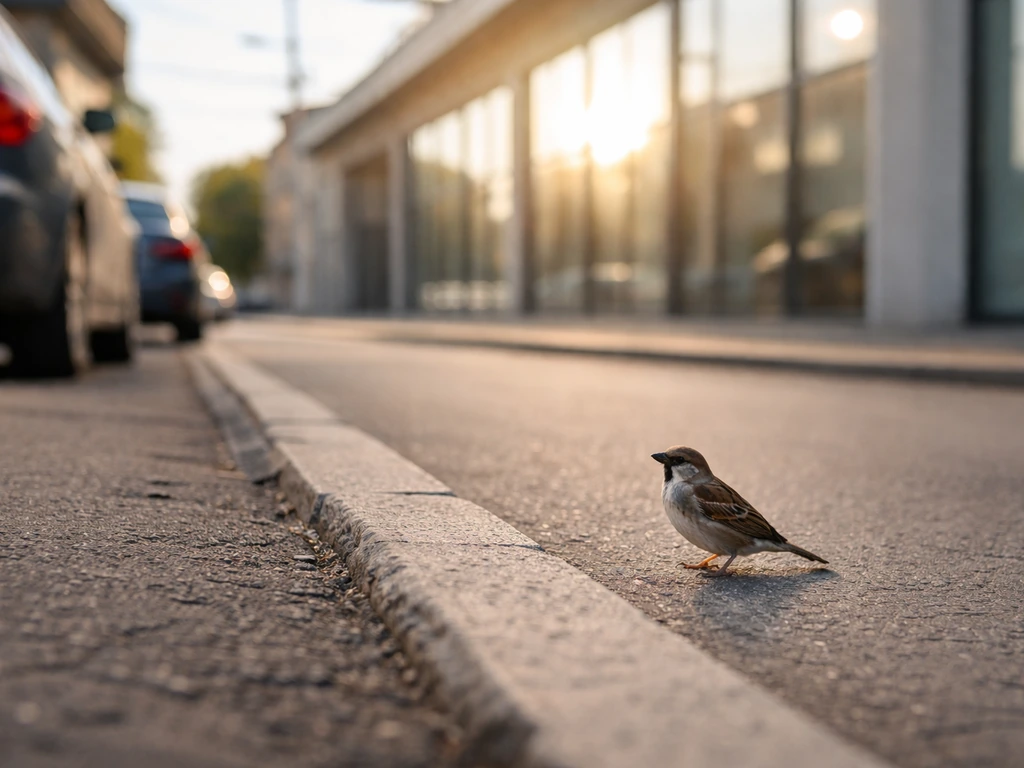
Young fledglings that have left the nest too early, birds caught in unexpected late freezes, or migratory birds that are just exhausted can all look like they're dying when they actually just need warmth, quiet, and time. A bird sitting puffed up, eyes half-closed, and not responding to your approach is almost certainly cold or starving rather than injured.
Habitat hazards
Power lines, vehicles, reflective surfaces, and even garden netting all kill birds in significant numbers. Fledglings learning to fly are especially vulnerable to vehicle strikes in low-traffic areas.
Read the scene: behavioral clues and what they tell you
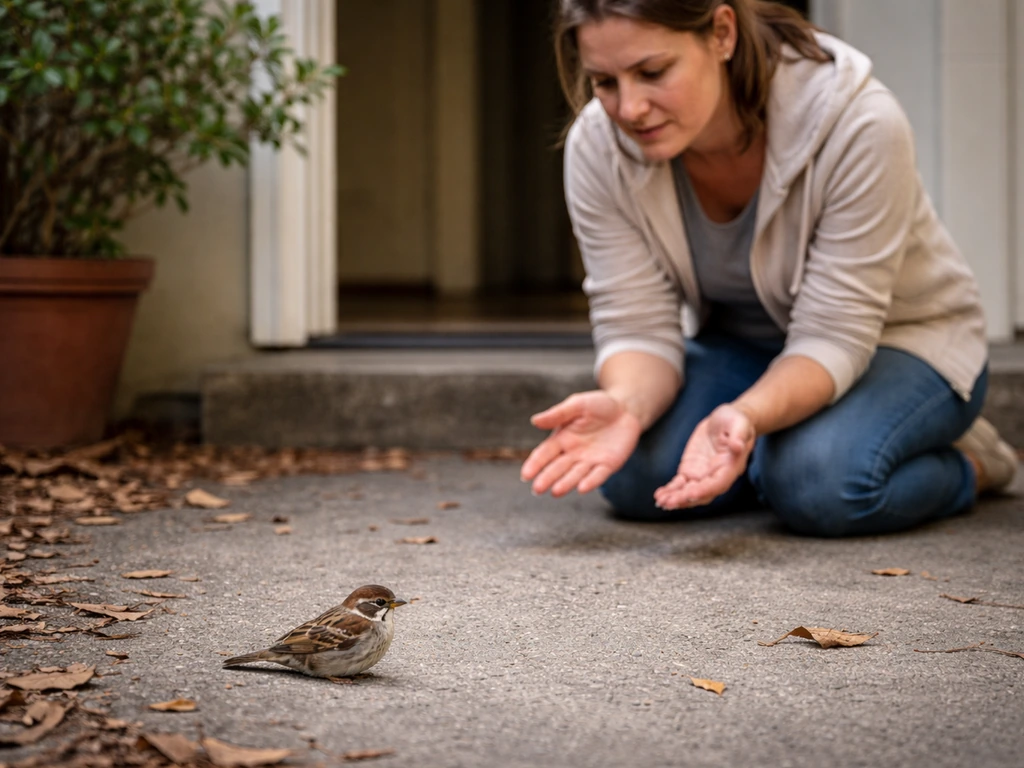
When you first approach, slow down and observe before you touch anything. The bird's position, behavior, and location can tell you a lot about what happened and whether it's likely to recover.
| What you observe | Likely cause | Urgency level |
|---|---|---|
| Bird directly below a window, stunned but breathing | Window strike | Monitor; act if no improvement in 1 hour |
| Wet, matted feathers on body, asymmetric wings | Cat or predator attack | High: needs a rehabber today |
| Trembling, seizures, or can't stand | Poisoning | Emergency: call vet immediately |
| Puffed up, eyes closing, not alert | Cold, starvation, or disease | High: needs warmth and professional assessment |
| Lying on side, non-responsive, bleeding | Trauma or severe illness | Emergency: wildlife emergency criteria met |
| Multiple birds dead in same area | Disease, pesticide event | Report to local wildlife authority |
| Single dead bird, no obvious injury | Natural causes or disease | Moderate: handle safely, report if corvid |
The Wildlife Center of Virginia defines a wildlife emergency as any bird that is having trouble breathing, is non-responsive, lying on its side, bleeding profusely, or has visible broken limbs or extensive wounds. If you see any of those signs, stop observing and act.
What folklore and spiritual traditions say about a dying bird
Once you've addressed the practical side, the symbolic layer is genuinely interesting and worth exploring. Cultures around the world have attached meaning to dying and dead birds for thousands of years, and the interpretations vary widely depending on the species, the location, and the observer's tradition.
Change and transformation
In many Indigenous North American traditions, birds serve as messengers between the physical and spiritual worlds. A dying bird isn't necessarily a warning of doom but rather a signal that a transition is underway. Something in your life may be ending to make room for something new. This interpretation frames death not as a negative endpoint but as a necessary part of a cycle.
Species-specific symbolism
The species of bird changes the reading significantly across most traditions. A dying dove is historically associated with lost peace or a relationship in distress. A dying crow or raven carries meanings around mortality and the shadow self in Celtic and Norse traditions, but also wisdom and transition. A dying robin, in British and American folk tradition, is sometimes seen as a warning to pay attention to something you've been neglecting. The context of the bird skull, carcass, or bones carries its own layered symbolism in many of these same traditions.
The bad luck misconception
The idea that a dead or dying bird automatically signals bad luck is one of the most persistent and least nuanced readings out there. Most cultural traditions are far more specific than that. In Chinese tradition, a bird dying near your home can signal renewal as much as loss. In Ancient Egyptian belief, birds carried souls and their death was a passage rather than a curse. The blanket 'bad luck' interpretation is largely a simplified, modern western folk superstition, not the root of most traditional meanings. If someone tells you a dying bird definitely means misfortune, that's worth questioning.
Dreams about dying birds: what they usually mean
If you landed here because of a dream rather than a real bird, the interpretive frame shifts considerably. Dreams about dying birds are among the more commonly reported bird dreams, and most dream interpretation traditions read them as messages about internal states rather than external omens.
- A dying bird in a dream often represents a goal, hope, or ambition that feels like it's fading. Birds in dreams classically symbolize freedom and aspiration, so a dying bird can mean you're grieving something you wanted that isn't working out.
- If the bird dies and transforms in the dream (into light, into another creature, or simply disappears peacefully), most traditions read that as a sign of genuine inner transformation rather than loss.
- A dream where you're trying to save a dying bird and can't is often linked to feelings of helplessness around someone or something in your waking life.
- If the dying bird is a specific species you recognize, the species symbolism (see above) layers onto the dream interpretation.
- Recurring dreams about dying birds are worth journaling. They tend to surface during periods of real-life transition, grief, or suppressed anxiety.
One distinction worth making: a bird that dies with its eyes open in a dream carries slightly different weight in some traditions, as does the imagery of bird bones or a bird carcass, which tend to represent what remains after transformation rather than active dying. These symbolic nuances are worth exploring separately if those were the specific images in your dream.
Slang and idioms: when 'bird dying' isn't about birds at all
Because this site covers bird meanings across all contexts, it's worth flagging the slang dimension. 'Bird' in colloquial English carries a range of non-literal meanings depending on region and context. In British slang, 'bird' refers to a person (usually a woman, though the term is widely considered dated). In American slang, 'flipping someone the bird' means an obscene hand gesture. In drug culture, 'bird' can refer to a kilogram of cocaine. In the phrase 'the bird is dead,' depending on context, people sometimes mean a plan has collapsed, a deal has fallen through, or an opportunity is gone.
None of these slang uses connect to the ornithological or spiritual meanings of an actual dying bird. But if you're searching 'bird dying meaning' because you heard the phrase in conversation, song lyrics, or media and couldn't place it, the slang interpretation is where to look. The spiritual and symbolic meaning this article covers applies specifically to the natural world: a real bird, a dream bird, or a bird in cultural mythology.
What to do right now: safe steps and who to call
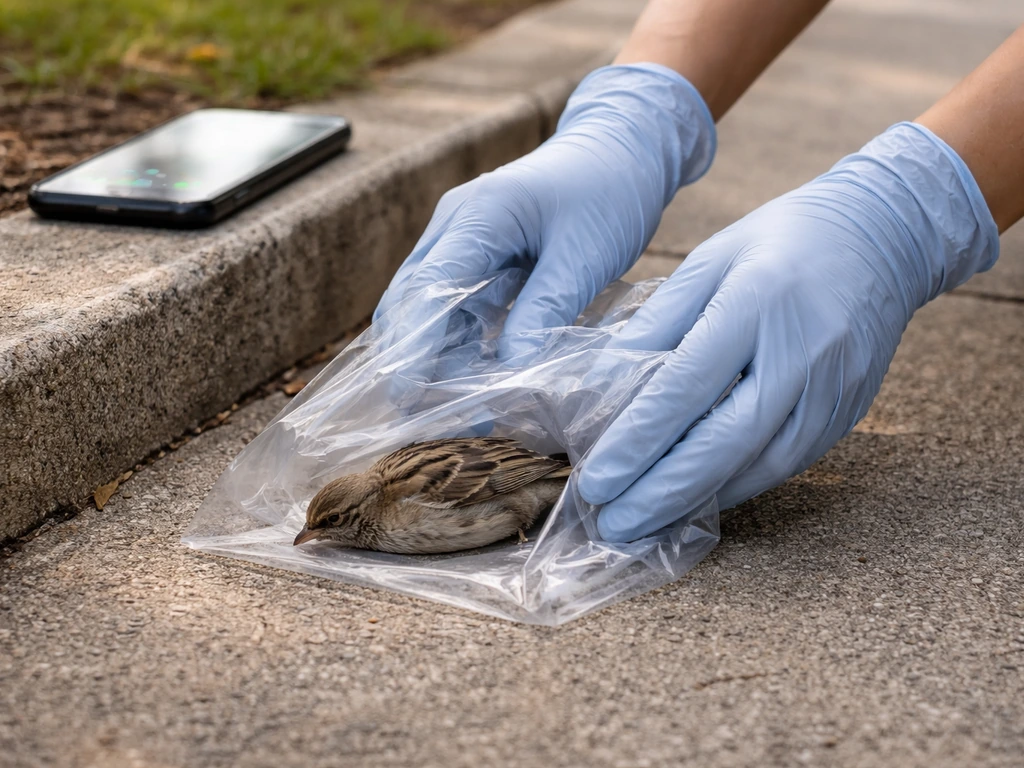
If you have a dying or dead bird in front of you, here's a practical decision path.
- Don't touch it with bare hands. The CDC advises against picking up or touching dead animals with bare hands. Use gloves, a plastic bag worn like a glove, or a thick layer of paper towels. The Wildlife Center of Virginia recommends gloves for handling any wild animal.
- Assess the situation using the table above. Is this a window strike? A cat attack? Signs of disease? Your answer determines your next step.
- If the bird is alive and stunned (window strike, apparent exhaustion): Place it in a cardboard box with air holes, lined with a soft cloth. Put the box somewhere dark, quiet, and warm (not hot). Don't offer water or food. Check in 1 to 2 hours. A recovered bird will let you know by moving actively.
- If the bird shows emergency signs (can't breathe, lying on side, severe bleeding, broken limbs): Contact your nearest licensed wildlife rehabilitator immediately. In the US, the National Wildlife Rehabilitators Association directory and the Wildlife Center of Virginia's website both offer search tools by zip code.
- If the bird is dead and you need to dispose of it: Double-bag it in plastic, seal it, and dispose of it in your regular trash. Wash your hands thoroughly with soap and water afterward. If you wore gloves, discard or disinfect them first and avoid touching your face.
- If you find multiple dead birds in one area, especially crows or other corvids: Report it to your state wildlife agency or local health department. Disease surveillance programs track these events.
- To prevent repeat events: Apply window decals or exterior films to glass, keep cats indoors during peak bird activity (dawn and dusk), avoid using rodenticide if raptors or owls are in your area, and clean bird feeders regularly to reduce salmonella risk.
After all of that is handled, if you want to sit with the experience and explore its symbolic weight, that's a completely legitimate thing to do. If you are wondering about bird bones meaning, the symbolism people assign to bones is a related but different layer than what the scene suggests symbolic weight. Finding a dying or dead bird is striking.
It pulls at something in most people, and cultures across millennia have honored that feeling by building meaning around it. Some people also search for the bird sacrifice meaning, so it can help to understand how specific cultures interpret ritual animal offerings. Just make sure the real-world checks come first, because a live bird that gets help in the first hour has a much better chance of recovery than one that was left alone while someone looked up omens.
FAQ
How do I tell the difference between a bird that needs help and one that’s already gone?
Check breathing and responsiveness, if the bird is upright but alert, it may still be injured and can often be moved to a quiet, sheltered container. If it is limp, not reacting to gentle contact, or has heavy bleeding, treat it as deceased and focus on safe cleanup rather than rescue.
If the bird is bleeding or has a drooping wing, what should I do in the first 10 minutes?
Keep people and pets away, place the bird in a ventilated box or carrier lined with a towel, and limit handling to prevent further shock. Avoid giving food or water, use warmth only (a warm not hot bottle near one side of the container), and contact a wildlife rehabilitator as soon as possible.
Can touching a dead or dying bird make me sick?
Yes, risks vary by cause, but general precautions matter: wear gloves if possible, avoid touching your face, and wash hands thoroughly afterward. If you suspect poisoning or a contagious outbreak in your area, avoid direct contact and contact local wildlife or public health guidance.
Is it safe to move a stunned bird or should I leave it alone?
If it hit a window and is still breathing normally, moving it to a quiet, sheltered spot can improve recovery. If it’s non-responsive, having trouble breathing, bleeding profusely, or showing broken limbs, prioritize safety and professional help rather than repeated attempts to revive it.
What’s the best way to handle a bird that’s on the ground near my porch?
Observe from a distance first to see whether it can reposition or lift its head. If it cannot, cover your approach, contain it using a box, and keep it away from predators, direct sun, and loud noises.
What should I do if I find multiple dead birds in one area?
Treat it as higher-risk for disease or environmental exposure. Photograph locations, avoid disturbing carcasses more than necessary, and report to local wildlife authorities, especially if you notice patterns like multiple crows or birds showing tremors or seizures.
How long should I wait to see if a bird recovers after a window strike?
Many window-strike birds improve within an hour when placed safely and quietly. If there is no improvement after a short, controlled recovery period, or the bird remains unable to stand, switch to professional rehabilitation immediately.
If cat interaction is suspected, does the bird need help even if it looks okay?
Often yes. Cat puncture wounds can be hidden and infection typically develops within 24 to 48 hours. If you see any asymmetry, wet or matted feathers, missing tail feathers, or unusual posture, treat it as a veterinary emergency and seek wildlife rehab.
What are signs poisoning might be happening, and what should I tell the rehabber?
Look for leg weakness, trembling, seizure-like movements, or a bird that seems aware but cannot stand or fly. Tell them where the bird was found, any nearby rodenticide use, and whether feeders or treated grass were present, because timing and exposure details matter.
What if the bird seems cold or exhausted instead of injured?
If it puffs up and is not responsive to your approach, warmth and time are key, place it in a warm, dark, sheltered container and minimize stress. If breathing appears difficult, it collapses quickly after warming, or it does not improve, contact a wildlife professional.
Do dream meanings change if the bird is alive in the dream but dying at the end?
They can. Many traditions read the arc as “active change,” where the experience reflects something that is ending while a new phase is forming, compared with dreams focused only on what remains after transformation (like bones or carcasses).
What if I’m searching the phrase because it came from slang in a song or conversation?
Confirm the context before using spiritual meanings. If the wording matched a known idiom (for example, an insult meaning a person in some regions, a gesture phrase, or a drug-quantity reference), then you’re likely dealing with colloquial usage rather than any literal bird dying scenario.
Should I clean up a bird carcass differently than I would a normal mess?
Yes. Use gloves if possible, double-bag the remains, and disinfect any surfaces the bird touched. If disease is suspected, avoid sweeping or disturbing feathers excessively, and ventilate the area while you clean.
If I want to explore the symbolism, how can I do it without ignoring real danger?
Use a two-step approach: first confirm no ongoing hazard (window, cats, poisoning exposure, disease cluster), then reflect on meaning. If you notice any emergency signs, do not spend extended time interpreting before contacting help.
Next Article
Bird Sacrifice Meaning: Cultural, Religious, Spiritual and Folk Views
Bird sacrifice meaning across cultural, religious, spiritual and folk beliefs, plus misconceptions, safety and ethical n