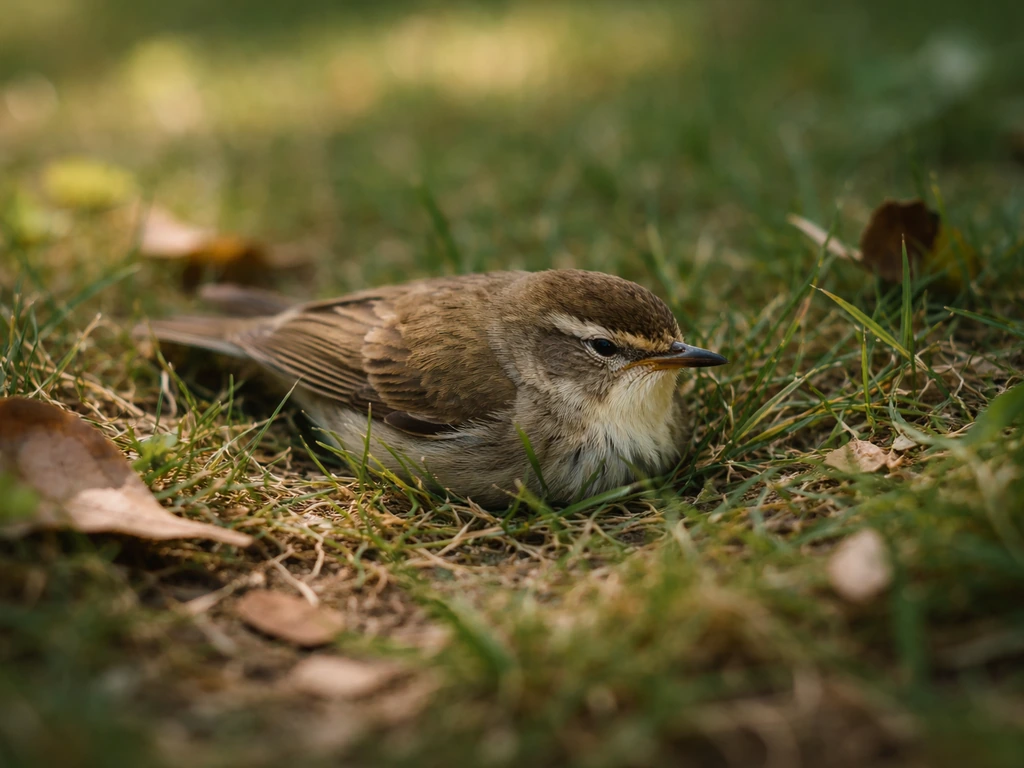
When a bird dies with its eyes open, the most likely explanation is biological: birds have limited voluntary control over their eyelids, and many species die mid-reflex, especially when death is sudden. Open eyes at death are extremely common in birds and say nothing definitive about the cause of death or any spiritual significance. That said, people search this phrase for a reason, and the meaning they're looking for is often spiritual or symbolic, so this guide covers both the real-world explanation and the cultural and spiritual lenses through which people interpret it.
Bird Died With Eyes Open Meaning Spiritual and Practical

Marcus Holloway
10 Jun 2026
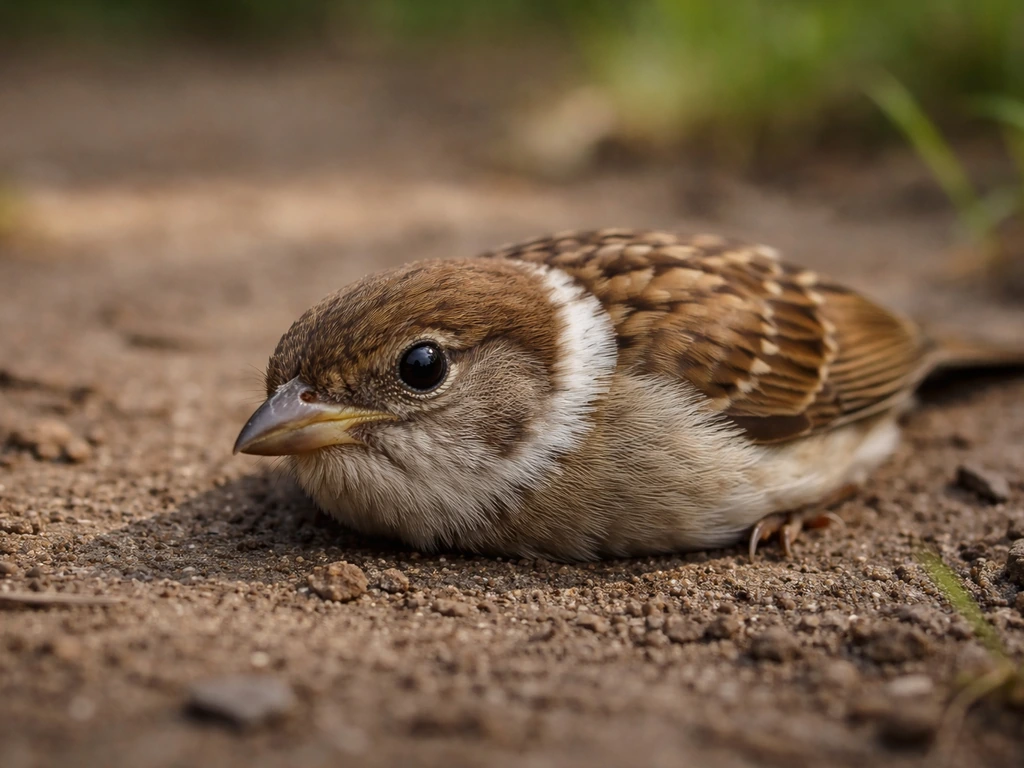
What it actually means when a bird dies with eyes open
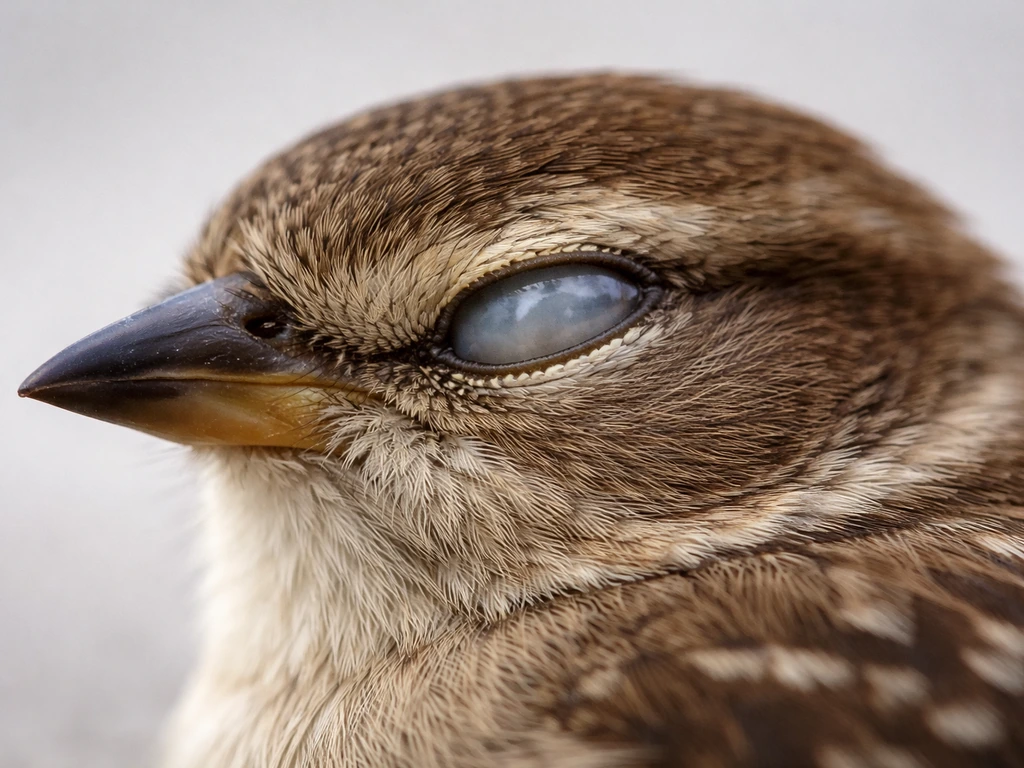
Birds do not have the same eyelid mechanics as mammals. They have three eyelids: an upper lid, a lower lid, and a nictitating membrane (a semi-transparent inner lid). In life, the lower lid does most of the heavy lifting during blinking. When a bird dies, muscular control over all three lids ceases, and the default resting position for many species leaves the eyes at least partially open. This is not unusual or alarming. It simply reflects how avian anatomy works at the moment muscle tension disappears.
Sudden or rapid death is the most common reason you'll find a bird with fully open eyes. Window strikes, predator attacks, poisoning, and sudden cardiac events all kill quickly, before the bird has any gradual shutting-down process. Slower deaths from illness sometimes result in partially closed eyes, but even then it's inconsistent. Environmental factors matter too: heat and drying can cause tissues to contract and hold eyes open, and in warm conditions you may notice blank" rel="noopener noreferrer">corneal clouding or a film over the eye within a few hours after death, a biological marker of the early post-mortem period. In humans, post-mortem eye changes such as loss of intraocular pressure and corneal clouding occur early, and one medical reference describes the immediate post-mortem phase as within about 2, 3 hours after death blank" rel="noopener noreferrer">immediate post-mortem phase is described as within about 2–3 hours after death.
If you're trying to determine what killed the bird, open eyes alone won't tell you. If you're trying to pin down the specific bird carcass meaning people discuss online, start with the biological context first. Look instead at the overall condition: any obvious injuries, feather disarray, bleeding, signs of impact on a nearby surface, or the location where it fell. A bird that died mid-flight from a strike will look different from one that died from illness over several days.
Spiritual interpretations and how to weigh them
Within spiritual traditions that assign meaning to bird omens, a dead bird with open eyes is often read as a symbol of vigilance beyond death, a soul that is still watching, still aware, or refusing to fully depart. Some interpret it as a message directed at the person who finds it: that something in your life requires your clear-eyed attention right now. Others read it as the bird acting as a messenger or witness, its gaze fixed on something unseen.
Another common spiritual interpretation ties open eyes to unfinished business. In various folk traditions, eyes that remain open after death suggest the deceased had not completed a purpose, whether that's a person, an animal, or a bird. Applied to a bird, some believe it signals a warning that something in the finder's environment needs resolution before it can be released.
How much weight should you give these interpretations? That depends entirely on your own framework. These are belief systems, not documented facts, and they vary significantly between cultures and individual traditions. A useful approach is to treat the spiritual reading as an invitation to reflect rather than as a prediction or verdict. If the symbol resonates with something you've been processing, that resonance has value. If it's creating fear or anxiety without any personal meaning attached, it's worth setting it aside.
What cultures and folklore say about birds dying with eyes open
Across many cultures, birds have long served as intermediaries between the living and the dead. If you're specifically wondering about the bird sacrifice meaning, it often connects to older symbolic systems rather than the physical state of the bird birds have long served as intermediaries between the living and the dead. In ancient Egyptian belief, the Ba, one aspect of the soul, was depicted as a bird. In Celtic traditions, birds like ravens and crows were considered messengers from the otherworld. Slavic folklore features the Sirin, a bird-woman figure connected to the spirit realm. These traditions didn't specifically address open eyes at death, but they established a broad cultural foundation for reading birds as spiritually significant, especially in death.
More specific folk beliefs about open eyes at death carry across many human traditions, where an open-eyed corpse (human or animal) was seen as a soul searching for something or someone to take with it. Some rural European traditions involved covering the eyes of the dead specifically to prevent this. Applied to a bird found with open eyes, this superstition suggests the bird's spirit hasn't fully crossed over. Whether you find this meaningful or unsettling is personal, but it's worth knowing the belief has pre-modern practical roots: covering the eyes was as much about comfort for the living as it was ritual.
In some Indigenous North American traditions, birds are considered direct messengers from ancestors or spiritual guides. Finding a dead bird, particularly one with a penetrating, open-eyed appearance, can be interpreted as a sign that an ancestor is trying to communicate. These traditions generally recommend gratitude and acknowledgment rather than fear, and often suggest offering a small prayer or moment of intention when you encounter a dead bird.
It's also worth noting that the species of the bird changes the cultural reading significantly. A dead crow with open eyes carries very different folklore weight than a dead sparrow or a dead pigeon. If you're drawn to the symbolic layer, the species is worth investigating alongside the open-eyes detail. You might also find it useful to explore what bird carcasses, bird skulls, and bird bones have meant across traditions, since those threads often overlap with dead-bird symbolism.
Behavior-based reading vs. spiritual interpretation: knowing which lens you're using

This distinction matters because people searching this phrase are often mixing two different types of questions without realizing it. A behavioral or forensic reading asks: what can the physical state of this bird tell me about what killed it, when it died, and whether there's a public health concern? A spiritual reading asks: what does this mean symbolically, and is there a message here for me personally? Both are valid questions, but they require completely different approaches.
| Lens | What it examines | What open eyes tell you |
|---|---|---|
| Biological/Behavioral | Physical state, cause of death, timing | Common and expected; caused by muscle relaxation at death |
| Forensic/Practical | Safety, disease risk, location, species | No standalone meaning; part of overall condition assessment |
| Spiritual/Symbolic | Personal or cultural meaning, omens, messages | Vigilance, unfinished business, spiritual watchfulness |
| Folklore/Superstition | Traditional beliefs, ritual response | Soul still present, searching, or warning the finder |
Conflating these lenses is where people get into trouble. Assuming a biological fact (open eyes) automatically carries spiritual weight leads to unnecessary anxiety. Dismissing the spiritual lens entirely can leave people who find genuine resonance in symbolic readings feeling unheard. The healthiest approach is to assess the physical situation first, then separately decide whether a spiritual or cultural interpretation feels meaningful to you.
Dreams, omens, and the phrase's symbolic life
A significant portion of people searching "bird died with eyes open meaning" are not describing something they physically witnessed. They're processing a dream. In dream interpretation, a bird dying with its eyes open is often read as a call to awareness: something in your waking life is ending or transitioning, but you are being asked to remain conscious through it rather than look away. The open eyes in this dream context represent the dreamer's own watchfulness or refusal to avoid a difficult truth.
In omen traditions, finding a dead bird with open eyes in real life is sometimes treated as a warning sign tied to the home or the person who finds it. The specifics vary: some say it means news is coming, some say a cycle is ending, and some say a protective energy is no longer present. These omen readings tend to cluster around themes of transition, awareness, and the need to pay closer attention to something in your life.
If you're interpreting a dream, the useful questions aren't "what does this mean universally?" but rather: what was the emotional tone of the dream, what species was the bird, and what in your current life feels like it might be in transition? Those personal details carry far more interpretive weight than any generic omen reading. The symbolism of bird dying, explored more broadly in its own context, is relevant here too, since the open-eyed detail is usually a modifier on that larger symbol rather than a standalone meaning.
What to do right now: practical steps
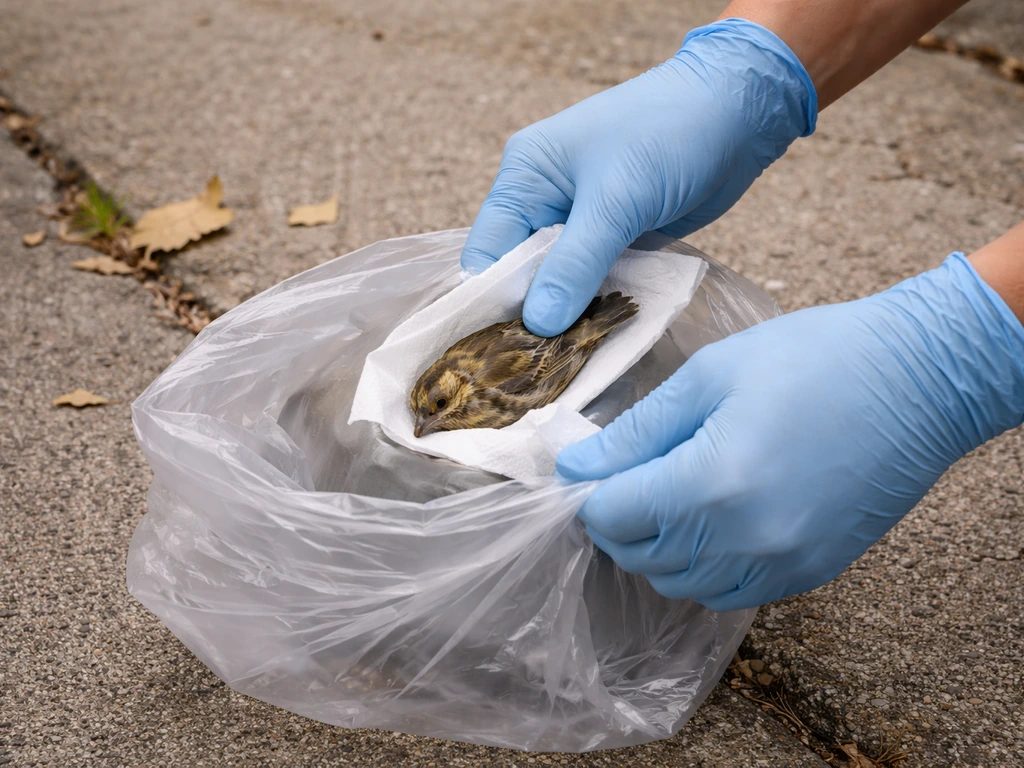
If you've found a dead bird and you're here for practical guidance, here's what to do in order.
- Don't touch the bird with bare hands. Some birds can carry salmonella, avian influenza strains, or parasites. Use gloves or a plastic bag turned inside out over your hand.
- Look but don't disturb. Observe the bird's overall condition from a safe distance first: feather condition, any obvious injuries, signs of impact or predator attack, and the location where it was found.
- Check for the cause if possible. A window strike usually leaves the bird near a glass surface with no obvious blood or predator marks. Illness deaths often show ruffled feathers, closed or sunken eyes before death, and the bird may have been acting lethargic. Poisoning can leave a bird in an unusual location with no signs of impact.
- Dispose of the bird properly. In most regions, a single dead wild bird can be double-bagged in plastic and placed in a standard trash bin. Do not bury near a water source. Wash your hands thoroughly after.
- Report it if you see multiple dead birds. A cluster of dead birds in the same area can indicate a disease event, environmental contamination, or poisoning. Contact your local wildlife agency or the USDA Wildlife Services.
- Disinfect the area lightly if the bird was on a surface you use regularly, particularly if children or pets have access to it.
If you're processing the event spiritually and want to do something intentional, many traditions suggest a brief acknowledgment: a moment of quiet attention, a small prayer or spoken word of thanks for the bird's life, or simply placing it gently somewhere natural rather than in a trash bin if you prefer. There's no single correct ritual, and doing something deliberate often helps with the discomfort of an unexpected encounter with death.
When to reach out for help
For animal welfare or public health concerns
- Contact your local wildlife rehabilitator if the bird appears alive but injured, not dead.
- Report to local animal control or wildlife services if you find multiple dead birds in the same area within a short timeframe.
- If you suspect pesticide poisoning, especially near agricultural areas, contact the EPA's pesticide reporting line or your state environmental agency.
- If you have birds at home (chickens, parrots, pet birds) and found a dead wild bird nearby, contact your vet to assess any disease transmission risk.
For spiritual or emotional reassurance

If you're feeling genuinely unsettled or frightened by the omen angle, that's worth taking seriously as an emotional experience, even if the bird's open eyes have a perfectly ordinary biological explanation. Talking to someone in your spiritual community, a therapist, or even just a trusted friend can help you process the discomfort. Superstition creates real anxiety, and you don't have to manage it alone. The meaning of a dead bird, whether interpreted through biology, culture, or spirit, is always filtered through the person who finds it, and your response to it matters as much as any external interpretation.
FAQ
Does a bird’s eyes being open automatically mean something spiritual happened?
No. Open eyes are a common post-death position for many birds because eyelid muscles relax. To assess cause, prioritize evidence like impact damage, bleeding, feathers scattered from a strike, odor or visible toxin signs, and where the bird was found (indoors, by a window, outdoors in a specific habitat).
Does the meaning change depending on what kind of bird it was?
Yes, it can matter. Some species have eyes that look more “staring” than others due to head shape and how much of the globe stays exposed. If you want a symbolic read, treat the species as part of the context rather than assuming one universal omen.
What should I do if I suspect disease, poisoning, or an unsafe cause?
If you’re dealing with a public health concern, treat it as a possible sick or poisoned animal until you know more. Avoid handling it with bare hands, keep pets and kids away, and if the bird appears recently killed with no obvious cause, contact a local wildlife hotline or animal control for guidance.
Can I estimate how long ago the bird died just by its eyes looking open?
Often, yes. Corneal clouding, a dry film, or a “hazy” eye surface appearing after a few hours can suggest time has passed and the bird is not newly dropped. But exact timing from appearance alone is unreliable, so use it only as a rough clue along with your observation timeline.
If a dead bird is near a window, does open-eyed still mean anything beyond a strike?
If it’s a window strike, the bird may be injured or disoriented and could die elsewhere after the impact. Look for nearby impacts, broken feathers, blood, or the absence of predators. If there is no impact sign and the location is far from windows, consider other causes like predation or illness.
What’s the biggest mistake people make when interpreting this sign?
Don’t rely on posture alone. A fully open look can occur in sudden death, but gradual collapse, cold exposure, or tissue drying can also affect how eyes appear. Checking overall condition (injuries vs. no injuries, feather condition, signs of trauma) is more useful than the eyes by themselves.
How should I interpret this phrase if it was in a dream?
In dream scenarios, the open eyes detail is usually treated as a metaphor for awareness, not a literal prediction. Focus on the dream’s emotional tone (dread, relief, calm), the species, and what in waking life feels like it is ending or changing.
What should I do if thinking about it spiritually makes me anxious?
If the symbolism is making you anxious, it helps to separate “meaning” from “certainty.” You can choose an interpretation that encourages reflection without escalating fear, and you can do grounding steps (breathing, writing down what you’re worried about) before deciding whether the experience needs spiritual or emotional support.
Are there practical steps to prevent birds from dying near where I live?
If you want to reduce the chance of repeating a distressing encounter, consider practical prevention. Birds that die from window impacts are often avoidable with screen films, blackout curtains at peak migration times, or adjusting outdoor lights at night.
How do I tell whether I should focus on biology or on symbolism when deciding what it means?
A useful approach is to decide your primary question first. For physical questions, look for injuries and context and avoid “spiritual conclusions” before basic cause is checked. For personal meaning, reflect on what the event stirred in you, then choose a small intentional action that matches your beliefs.
Next Article
Bird Dying Meaning: What It Could Mean and What to Do
Understand bird dying meaning: likely causes and what to do now, plus spiritual and dream interpretations and misconcept