Bird blindness means two genuinely different things depending on your context: it can refer to actual vision impairment in a pet or wild bird (a real veterinary concern with specific causes, symptoms, and urgent next steps), or it can point to a figurative, symbolic, or dream-based meaning where blindness represents a lack of insight, spiritual awareness, or perception. If you landed here because your bird is bumping into things or squinting, the medical side matters most right now. If you're exploring what blindness symbolizes in bird-related dreams, omens, or mythology, there's a rich tradition to unpack there too. Most likely you need both.
Bird Blindness Meaning: Causes, Signs, and What to Do Now

Marcus Holloway
9 Jul 2026
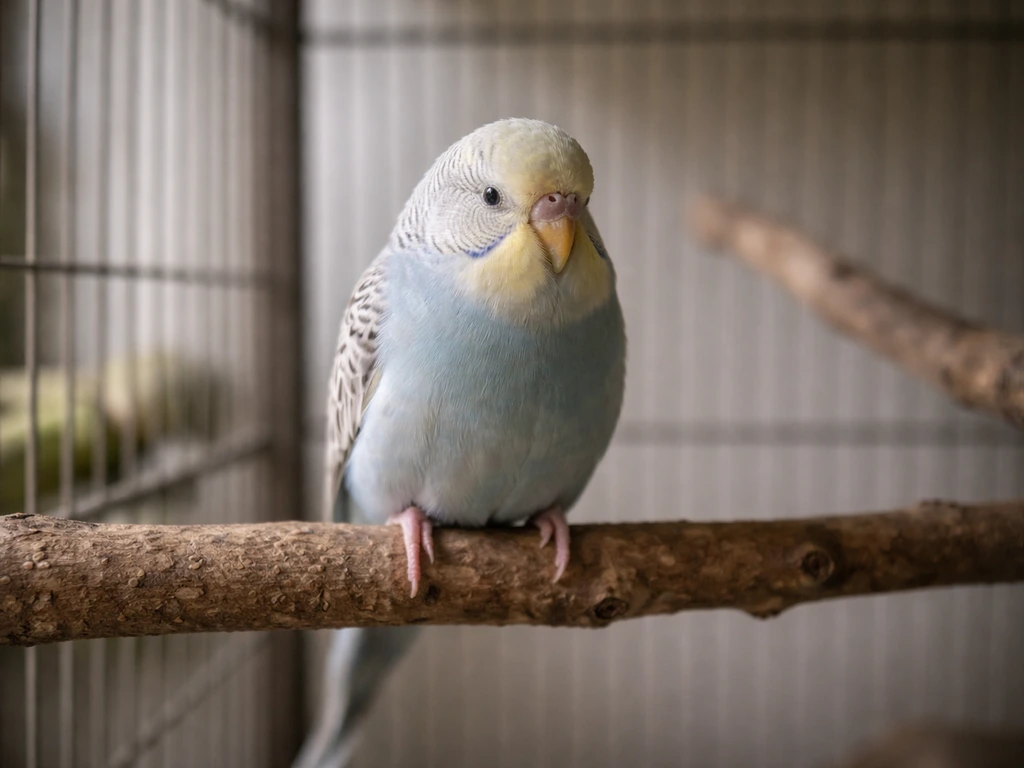
Literal vs. Metaphorical: What 'Bird Blindness' Actually Refers To
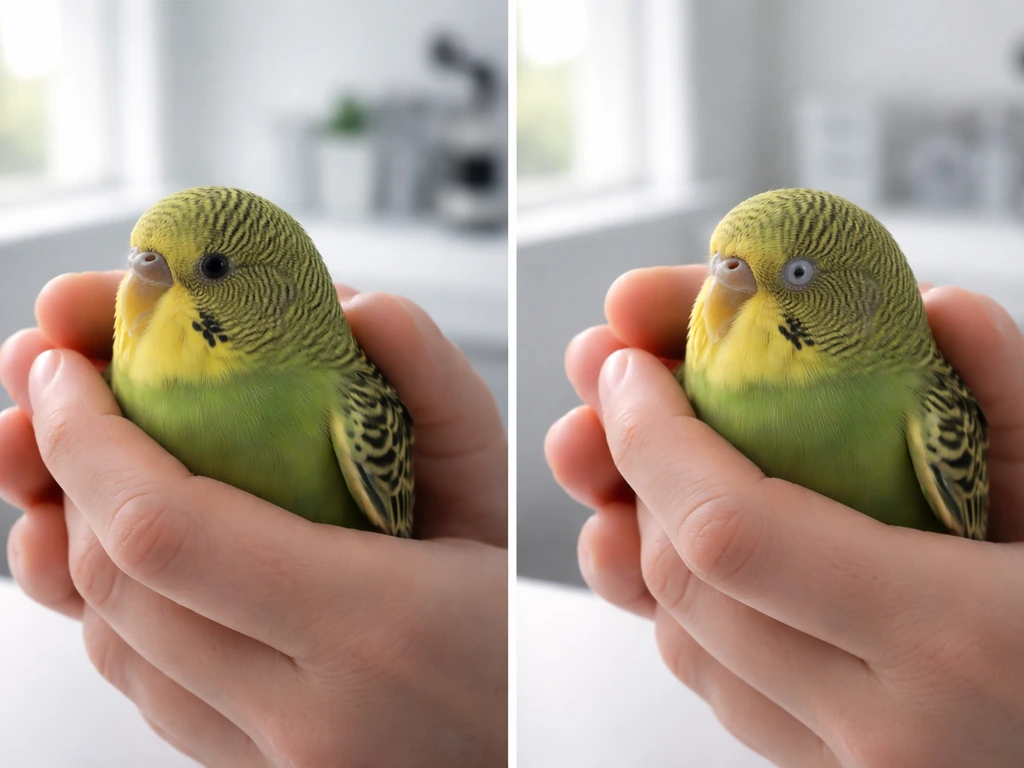
In a strictly veterinary sense, bird blindness describes partial or total loss of vision in a bird, caused by anything from eye injury and infection to cataracts, lead toxicity, nutritional deficiency, or neurological disease. This is the meaning that matters most urgently because vision impairment in birds can deteriorate fast and the causes are often treatable if caught early.
The metaphorical side is older and wider. Across cultures, a bird that cannot see is a powerful symbol: it points to lost guidance, spiritual blindness, blocked intuition, or warnings going unheeded. In biblical texts, blindness (including the healing of it) appears repeatedly as a metaphor for spiritual awareness and its absence. In dream interpretation, dreaming of a blind bird is often read as a signal to look inward, reconsider what you've been ignoring, or pay closer attention to your own instincts. The symbolism connects naturally to related ideas like bird wisdom, bird vision, and bird medicine, since birds in many traditions are messengers and seers.
It's worth knowing that 'bird blind' as a separate term refers to a physical hide or observation structure used by birdwatchers, which is a completely different topic. That meaning has no symbolic or veterinary connection to the blindness discussed here.
Real Signs of Vision Impairment vs. Something Else Entirely
One of the trickiest parts of bird blindness is that it's easy to confuse with other conditions. A bird bumping into the cage bars might be losing its sight, but it might also have a neurological problem, a balance disorder, or even inner ear disease. The distinction matters because the treatment is completely different.
True vision-related signs tend to be centered on the eyes themselves or on spatial navigation that worsens specifically in relation to visual cues. Neurological signs look similar on the surface but come with additional clues like circling, tremors, trouble gripping a perch, and sudden onset after possible exposure to toxins or trauma.
| Sign | More Likely Vision Problem | More Likely Neurological or Other Issue |
|---|---|---|
| Eye appearance | Cloudy lens, discharge, redness, swelling, squinting | Eyes look normal |
| Movement | Cautious, bumps objects especially in low light | Circling, spinning, falling off perch, ataxia |
| Onset | Gradual (cataracts, nutrition) or sudden (trauma, infection) | Often sudden, especially after toxin exposure |
| Other symptoms | Blinking excessively, keeping one eye closed | Seizures, tremors, weakness, disorientation |
| Response to light changes | Worsens noticeably in dim light | Similar regardless of lighting conditions |
One important caveat: avian eye testing is not as straightforward as it is in mammals. Birds often don't show a reliable menace response (the reflex blink when something moves toward the eye) because it's a learned behavior that can be absent in stressed or excited birds. The pupillary light reflex, where a vet shines light into one eye at a time to watch for pupil constriction, is the more objective clinical tool, but it requires proper equipment and a trained eye. This is one reason why home assessment has real limits: a bird can have significant vision loss and still appear to react normally to hand movements.
Common Causes and Risk Factors Worth Knowing
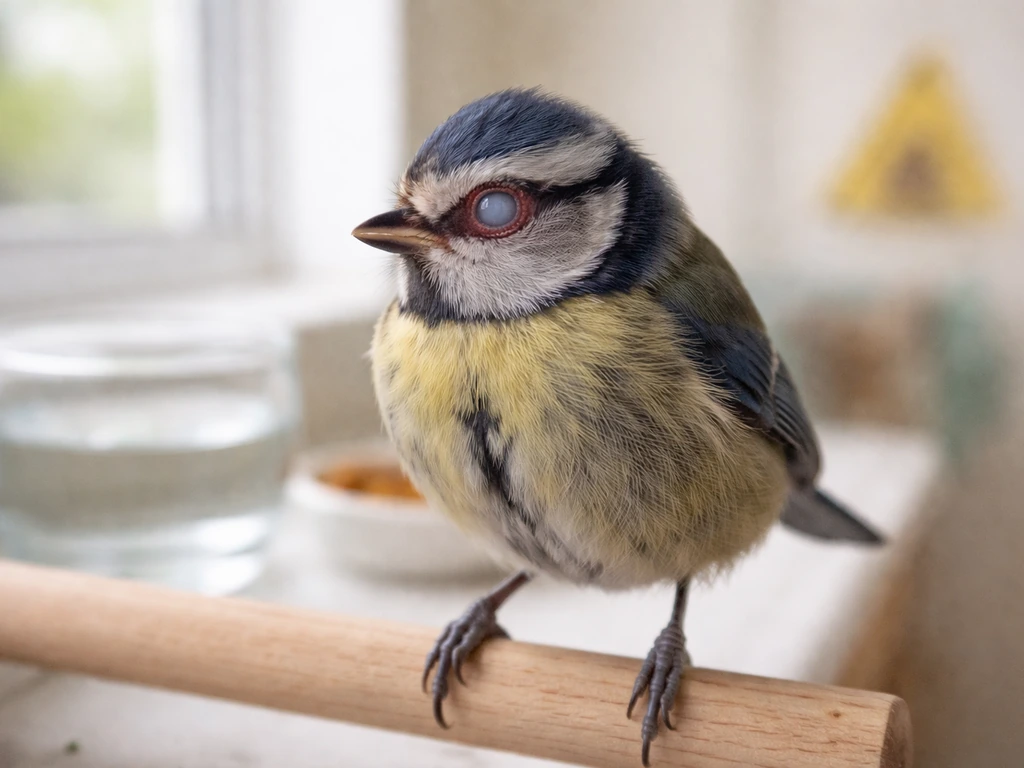
Vision problems in birds come from a fairly predictable list of causes, and knowing which category fits your situation helps you move faster. Here are the main ones:
- Eye infections and conjunctivitis: Bacterial, viral, or fungal infections cause redness, discharge, swelling, and excessive blinking. Conjunctivitis left untreated can progress to cataracts over time.
- Corneal ulcers: An infected or nonhealing ulcer typically shows up as photophobia, blepharospasm (squinting), corneal cloudiness, tearing, and purulent discharge. Secondary infection of ulcers is common and worsens quickly.
- Vitamin A deficiency: One of the most common nutritional problems in seed-heavy diets. It directly affects eye tissue, and if acute deficiency is not reversed urgently, the cornea can ulcerate and soften (a condition called keratomalacia). Treatment involves correcting the diet, converting to a quality pelleted diet, and supplementing vitamin A while addressing any secondary infections.
- Cataracts: The lens becomes cloudy and opaque. Budgie owners in particular sometimes notice their bird tilting its head to use the clearer eye. Cataracts can appear as an aging change or secondary to other conditions.
- Uveitis: Inflammation inside the eye that often signals broader systemic disease elsewhere in the body, not just a localized eye problem.
- Lead toxicosis: Lead poisoning from ingesting metal objects around the home (old blinds, costume jewelry, mirror backings, certain bird toys, curtain weights, hardware cloth) can cause blindness alongside ataxia, seizures, weakness, and neurological collapse. This is a genuine emergency.
- Trauma: Head injuries or direct eye injury from cage accidents, other animals, or collisions can cause sudden vision loss.
- Neurological disease: Disorientation, circling, and apparent blindness can all stem from brain or nerve dysfunction rather than the eye itself.
A cloudy eye doesn't always mean cataracts. Cloudiness can originate from the corneal surface, from inside the eye, or from the lens, and each requires different diagnostics including fluorescein staining, pressure testing, cytology, blood work, and sometimes imaging. You genuinely cannot tell the difference at home.
What to Do Right Now: Safety Steps and Home Adjustments
If you think your bird is having vision trouble, your job before reaching a vet is to reduce harm and keep the bird stable. Because posts in a recent Macaws thread emphasize blank" rel="noopener noreferrer">urgent vet evaluation for eye swelling and possible injury, any sudden eye swelling or suspected concussion should be treated as time-sensitive. During an avian first aid emergency, dim the lights or cover most of the cage and keep the bird calm and quiet to provide supportive care. Start with these steps today:
- Dim the lights or cover most of the cage to reduce stimulation and prevent the bird from startling and injuring itself further. A calm, quiet environment is the first line of supportive care.
- Keep the bird warm. An ill or injured bird loses body temperature faster than a healthy one. Aim for around 85°F (29°C) in the enclosure. Avoid drafts.
- Lower or remove high perches temporarily. A bird with impaired vision or balance problems can fall and sustain serious injuries. Place food and water on the cage floor or at the lowest accessible point so the bird doesn't have to navigate height to eat or drink.
- Remove objects the bird could collide with. Reduce clutter inside the cage and clear the immediate environment of sharp or hard hazards.
- Remove potential toxin sources immediately. If there's any chance the bird accessed metal objects, old paint, or hardware with lead content, remove those items now and note what they were for the vet.
- Weigh the bird if you have a gram scale and record the number. Weight loss is one of the most reliable early indicators of illness in birds, and having baseline data helps the vet significantly.
- Do not attempt to apply eye drops, medications, or home remedies to the eye unless specifically directed by a vet. You risk worsening the condition.
These steps are supportive, not curative. They reduce the risk of additional harm while you arrange proper care, but they are not a substitute for veterinary assessment.
When to Call an Avian Vet: Urgent Red Flags and What to Tell Them
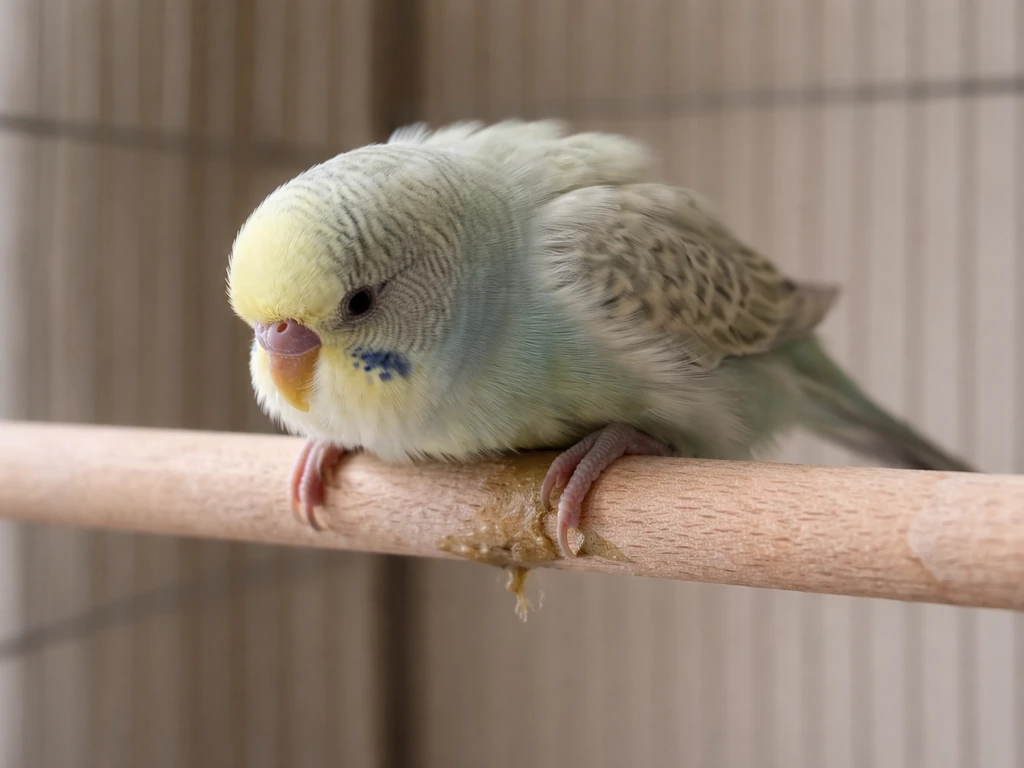
Some signs mean get to a vet today, not next week. Contact an avian veterinarian immediately if your bird is showing any of the following:
- Seizure activity or repeated tremors
- Continuous falling off the perch or inability to perch at all
- Visible eye swelling, significant discharge, or a visible ulcer or opacity on the eye surface
- Open-mouth breathing or any sign of respiratory distress alongside eye symptoms
- Sudden onset of disorientation, circling, or spinning
- Marked weakness or collapse
- Sudden behavioral change after possible exposure to metals, fumes, pesticides, or a collision or trauma
- Refusal to eat or drink for more than a few hours (combined with other symptoms)
When you call, give the vet as much information as possible upfront. Tell them the species and age of the bird, exactly what symptoms you've observed (and when they started), any possible exposures to metals or toxins, recent diet changes, whether the bird is housed with other birds, and the bird's current weight if you have it. A complete eye exam will likely require pupil dilation to properly assess the retina and posterior structures, so expect the exam to take time. Blood work, imaging, or a fluorescein stain may also be needed to determine the underlying cause.
The Symbolic and Spiritual Side of Bird Blindness
Now for the other reason people search this term: the symbolic and metaphorical meaning. Birds have been messengers and visionaries in human culture for thousands of years. They are connected to spiritual guidance, intuition, and the idea of seeing what others cannot. That makes a blind bird a particularly charged image.
In dream interpretation, a blind bird often points to blocked intuition or a failure to receive guidance that is available to you. It can suggest you're ignoring signals, moving through life without trusting your instincts, or that someone close to you is unwilling to see the truth of a situation. The emotional tone of the dream matters a lot: a distressed blind bird and a calm one carry very different messages. Some interpreters frame it as an invitation rather than a warning, a prompt to develop inner sight when outer perception has limits.
In biblical tradition, blindness is one of the most layered metaphors in the text. Eye disease and blindness appear both as physical conditions and as images of spiritual ignorance, and the healing of blindness represents a restoration of understanding and connection to divine guidance. That tradition feeds directly into Western cultural associations with the phrase 'bird blindness' when used figuratively.
Across broader spiritual traditions, birds represent the soul, the messenger, the part of consciousness that can perceive things beyond the material. A bird that cannot see becomes a symbol of that faculty being blocked or dormant. If you encountered this phrase in a spiritual or dream context, it's worth sitting with what area of your life feels obscured or where you might be refusing to look clearly. The image is rarely accidental.
Myths, Misconceptions, and How to Read the Meaning Responsibly
There are a few persistent myths around bird blindness that are worth addressing directly, because they can lead people to delay care or misread what they're seeing.
Myth: If a bird is bumping into things, it must be going blind. Not necessarily. As covered earlier, neurological disease, vestibular problems, and toxin exposure can all produce the same behavior with completely normal eyes. Lead poisoning in particular can cause blindness as a symptom of broader neurological damage, not a primary eye problem. A bird bumping into objects after being near metal objects or hardware in the home should be treated as a toxin emergency, not just a vision check.
Myth: A bird that doesn't flinch when you move your hand toward its face can't see. This one is genuinely tricky. Birds do not reliably show a menace response the way mammals do. A bird that is stressed, excited, or simply stoic may not blink or react to a hand gesture even with completely intact vision. Conversely, some birds with significant vision impairment will still react to the hand due to sensing air movement or other cues. This reflex cannot be used as a home vision test.
Myth: A seed diet is fine for birds, so nutritional blindness isn't a real risk. Vitamin A deficiency is one of the most documented nutritional problems in pet birds kept on seed-heavy diets, and it directly damages eye tissue. If deficiency is not corrected urgently, the result can be corneal ulceration and permanent damage. This is one of the clearest examples of a cultural assumption (seeds are natural food for birds) conflicting with veterinary evidence.
Myth: If the meaning is spiritual, the physical signs don't need attention. This is the most important one to push back on. Spiritual and symbolic interpretation is a valid lens, but it should never replace veterinary assessment when a real bird is showing real symptoms. In that broader sense, bird vision meaning can still be explored, but not at the expense of checking the physical cause. A bird's eye is its most critical sensory organ, and other senses compensate for vision loss only to a very limited degree. Ignoring physical symptoms because the situation feels meaningful or symbolic is a mistake with real consequences for the animal.
The most responsible approach is to hold both lenses at once: take the physical signs seriously and pursue veterinary care while also exploring whatever symbolic resonance the experience has for you. The two are not mutually exclusive, and the site's broader work on bird vision meaning, bird wisdom, and bird medicine all points toward that same balance: grounding cultural meaning in observable reality rather than choosing one over the other.
FAQ
How can I tell “bird blindness meaning” in a practical way, without guessing whether it’s spiritual or medical?
Start with the bird’s behavior. If there are real eye or navigation symptoms (bumping, squinting, cloudiness, changes in brightness response), treat it as medical until an avian vet rules it out. Symbolic interpretations can be held later, after safety and health are addressed.
What home checks are actually useful, and what should I avoid doing?
You can observe from a safe distance, note the exact onset time, and check for environmental hazards like mirrors, open windows, or sharp cage areas. Avoid putting in human eye drops or attempting to “test vision” with fast hand swings, since birds may not show reliable reflexes and you can worsen corneal injuries.
Does bird blindness always look like a “white eye” or cloudy pupil?
No. Some serious vision loss shows up as behavioral changes first, like hesitation near familiar perches or difficulty finding food, before cloudiness is obvious. Also, corneal swelling or lens issues can fluctuate, so daily notes are more informative than one snapshot.
Can a bird’s eyes look normal even if it can’t see well?
Yes. Neurological issues, toxin exposure, and retinal or optic-nerve problems can impair vision without obvious external changes. That is why an avian vet’s testing (like pupil light response and possibly imaging) matters even when the eye surface looks fairly clear.
If a bird is bumping around at night, does that mean blindness or low-light issues?
Low-light navigation problems can be vision-related, but they can also come from balance or inner ear conditions. A useful detail to track is whether the bird improves in bright daylight, because worsening in dim light points more toward visual problems, while constant clumsiness suggests non-visual causes.
What toxin or metal exposures are most relevant to bird blindness symptoms?
Common culprits include lead from certain paints, weights, or toy parts, and zinc or other metals from hardware and some household items. If the bird has been chewing, gnawing on any metal object, or exposed to flaking surfaces, treat bumping plus any eye changes as urgent.
Is vitamin A deficiency the only nutritional cause of eye problems in birds?
No. Vitamin A deficiency is a major one, but poor overall nutrition can contribute, including deficiencies that affect healing and immunity. If diet changes have happened recently, share the exact brand and feeding pattern with the vet, not just “seed vs pellets.”
What signs mean “seek emergency care today,” not “monitor for a few days”?
Go immediately if the bird has sudden onset, any evidence of trauma (falls, collisions), discharge or swelling that’s worsening quickly, seizures, extreme lethargy, or suspected toxin exposure. Sudden neurologic signs plus eye-related behavior is especially time-sensitive.
Why might the vet take longer than I expect for an eye exam?
Bird exams often require pupil dilation to evaluate the retina and posterior structures. Some birds also need stabilization before testing, and follow-up diagnostics like fluorescein staining, pressure checks, cytology, blood work, or imaging may be scheduled the same day.
If I’m also interpreting the dream or symbolism, how do I do it safely without delaying care?
Use a “two track” approach: keep medical steps in motion (call, arrange transport, reduce hazards) while you reflect privately on the dream’s emotional themes. Avoid interpreting the dream as permission to wait, especially when there are ongoing physical symptoms.
Could “bird blind” (the birdwatching hide) be confused with bird blindness meaning?
Yes, people searching the phrase can mix the two. If your context involves a birdwatching setup, the correct term is usually about a viewing structure, not vision impairment. If your situation involves an actual bird showing symptoms, you are in the veterinary meaning, not the hide meaning.
Next Article
Bird Medicine Meaning: Spiritual, Behavioral, Dream, Omen
Understand bird medicine meaning across spirit, behavior, dreams, and omens, with practical checks and next steps.