The bird emoji most commonly signals one of three things: something literal (an actual bird, nature, or wildlife), something playful or cute (especially the baby chick 🐥), or something slang-coded depending on who sent it and what platform you're reading it on. There is no single fixed meaning, and that's not a cop-out answer. It's genuinely the most important thing to understand before you try to decode what someone meant.
Bird Emoji Meaning: How to Decode It by Context and Tone

Marcus Holloway
15 Apr 2026
What bird emojis usually mean by default
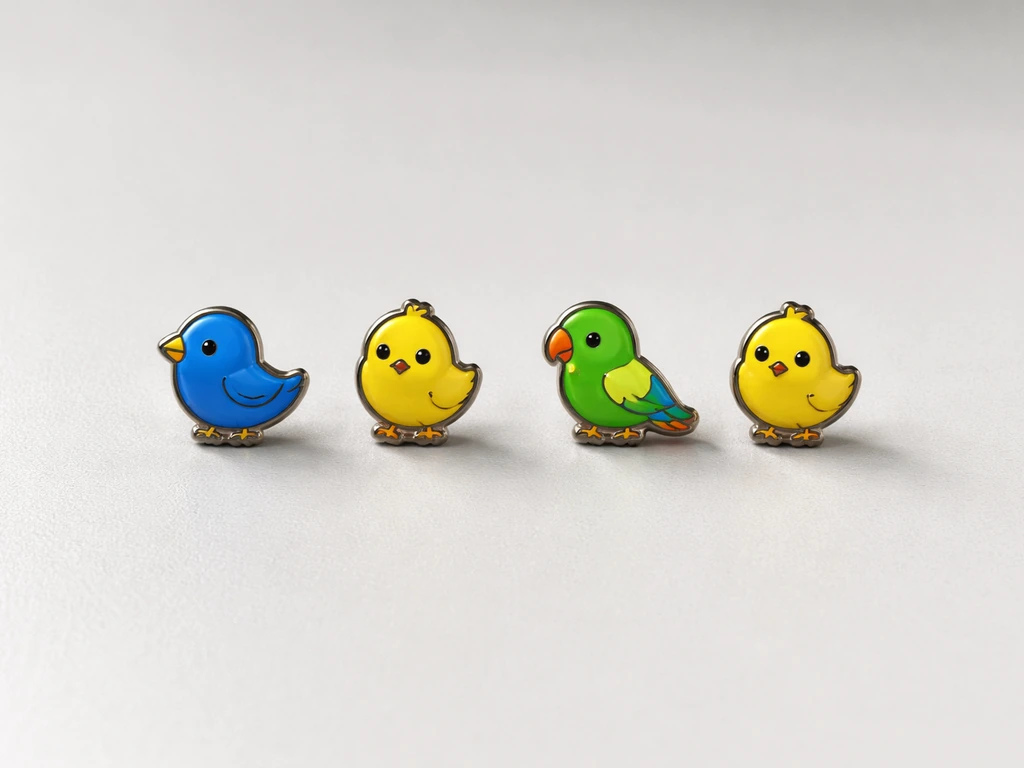
Let's start with the basics. There are several distinct bird emojis in Unicode, and they carry slightly different default vibes even before you factor in slang or tone.
| Emoji | Unicode Name | Default Meaning |
|---|---|---|
| 🐦 | BIRD (U+1F426) | Generic wild or pet bird; nature; freedom; lightness |
| 🐥 | FRONT-FACING BABY CHICK (U+1F425) | Cuteness, innocence, new beginnings, spring |
| 🦜 | PARROT (U+1F99C) | Mimicry, talking, repetition, tropical vibes |
| 🦅 | Eagle | Strength, patriotism, power |
| 🐓 | Rooster | Morning, pride, sometimes bravado |
| 🦢 | Swan | Elegance, romance, grace |
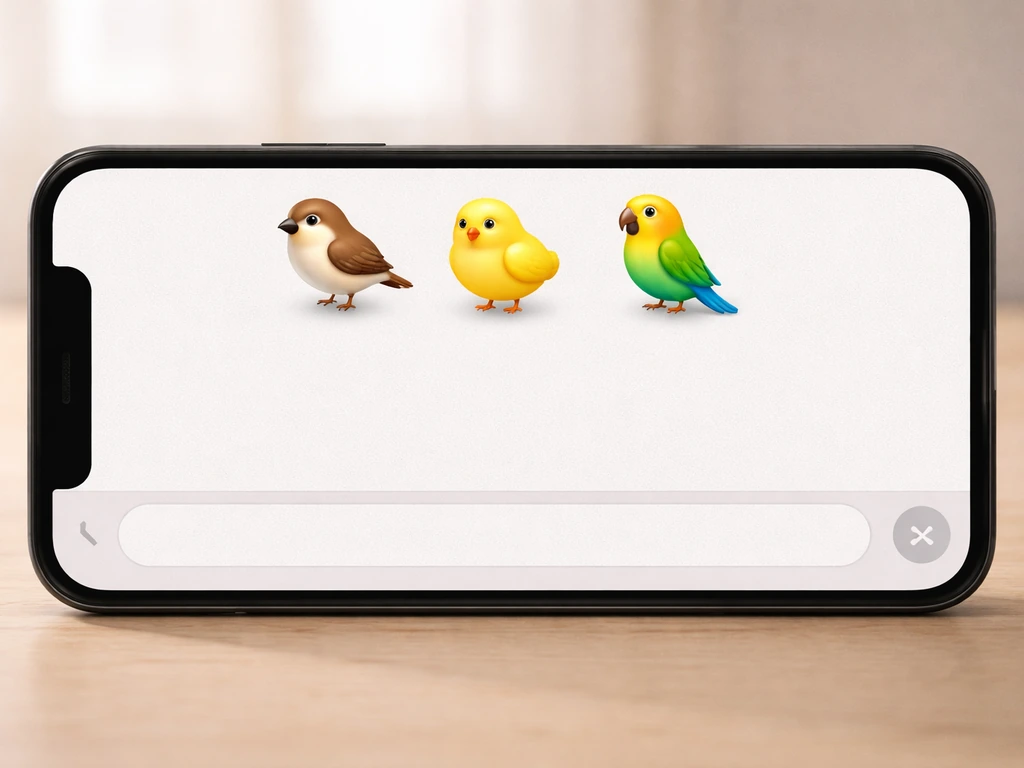
When someone sends the plain 🐦, Emojipedia's baseline definition covers a range of wild and pet birds, and it can carry metaphorical uses like "birdie" (think golf) or just a shorthand for birds in general. It's the most neutral and least loaded of the bird emojis. The 🐥, on the other hand, reads almost universally as adorable and harmless. Its visual anchor is a round, bright yellow chick staring straight at you, which is why it lands as sweet or playful rather than charged with meaning.
The 🦜 parrot is the interesting one. Because parrots are known for mimicking speech, people sometimes send this emoji to signal "repeating yourself," "copying someone," or even calling someone out for parroting a talking point. It can also just mean "tropical" or "colorful personality." Unicode's CLDR metadata tags it with keywords like "bird" and "ornithology," but users often pick it based on the mimicry association rather than any dictionary definition.
One thing worth knowing: complex emoji sequences can shift meaning entirely. Unicode has documented combinations like 🐦 + a zero-width joiner + 🔥 to represent a phoenix bird, so if someone sends what looks like a bird emoji alongside other symbols, the whole sequence matters, not just the bird part.
Why the same emoji reads differently on different platforms
This is the part most people skip over, and it genuinely explains a lot of confusion. The emoji you send on your iPhone does not look identical to what someone receives on an Android device or sees on a PC browser. Apple, Google, Samsung, and Twitter/X all maintain their own emoji artwork. Emoji are transmitted as encoded symbols, so if sender and receiver platforms don’t match, the receiver may display the same emoji differently emoji artwork. Twemoji (the system used by Twitter/X and some other platforms) renders a different-looking bird than Apple's native emoji set. Instagram on iOS shows Apple's system emojis, while Android Instagram uses Facebook's custom emoji designs.
This matters practically because the perceived "cuteness" or "aggression" of a bird emoji can shift depending on the artwork. A stylized cartoon bird looks playful. A more realistic bird looks neutral or even formal. Research on cross-platform emoji interpretation confirms that the same emoji code point can carry meaningfully different impressions depending on how it's rendered on the receiver's screen.
Cross-platform emoji interpretation research reports that the same emoji can have significantly different sentiment polarities across platforms due to differing renderings cross-platform emoji interpretation confirms that the same emoji code point can carry meaningfully different impressions depending on how it's rendered. So if you're trying to decode what someone meant, you need to think about what the emoji actually looked like on their device when they sent it, not just what you see on yours.
Here's a quick breakdown of common platform differences for bird emojis.
- Apple (iOS/macOS): Typically soft, rounded, slightly cartoonish bird designs. Friendly and approachable in feel.
- Google/Android: More naturalistic or flat-design birds depending on the Android version and OEM.
- Twitter/X (Twemoji): Bold, flat-color artwork. The bird tends to look more graphic and stylized.
- Samsung: Historically glossy and 3D-ish in older versions; more flat in recent years.
- Facebook/Instagram (Android): Facebook's custom emoji set, which can look noticeably different from Apple designs.
The bottom line: before you read too much into the "vibe" of a bird emoji, remember the sender may have seen a completely different image than what arrived on your screen. This platform variability is one of the most underrated reasons emoji interpretation goes sideways.
Bird emoji slang: what people actually search for
When people look up "bird emoji meaning urban dictionary," they're usually not asking about literal birds. They're picking up on slang associations that have attached themselves to bird imagery in certain online spaces.
In British slang, "bird" is a casual term for a woman or girlfriend, so someone in a UK-influenced online space might use a bird emoji as a low-key reference to a romantic interest. In some American hip-hop slang, "bird" references cocaine, which means the 🐦 or 🦜 can carry very different connotations in certain communities or conversations. In meme culture, bird emojis are sometimes used to signal "free speech" or "freedom" energy, especially in contexts connected to Twitter/X's original bird logo. And the 🦜 parrot specifically is often used as a shorthand for "stop repeating yourself" or "you're just copying what you heard."
There's also a broader "talking bird" emoji concept worth knowing. Combinations like 🦜💬 or bird emojis paired with speech bubbles can be found in what some emoji sites catalog as "flap talk" or chatty bird sequences, signaling someone is being extra vocal or gossip-y. Just like you'd interpret a bird with its mouth open as a sign of vocal energy or demanding attention, the bird + speech combo in emoji form carries a similar read.
The safest approach: slang meanings are highly community-specific. A 🐦 sent in a group chat about music means something very different from the same emoji in a flirty DM. Always factor in the community context before assuming the slang layer.
What it means when a guy sends you a bird emoji
This is a question I see come up a lot, and the honest answer is: you can't decode it from the emoji alone. But you can narrow it down significantly using surrounding signals. Here are the most common reads, ordered by likelihood.
Playful or teasing
A 🐥 or a 🦜 dropped into a lighthearted back-and-forth usually reads as playful banter, not a deep signal. If the conversation has been jokey and he's using emojis freely, a bird emoji is probably just him being goofy or matching the fun energy. Think of it like someone sending a random silly emoji because they're enjoying the conversation, not because they've carefully chosen a bird for its symbolism.
Flirty or affectionate
If he's sent something like "you're my little 🐥" or pairs the bird emoji with more explicitly warm language, that's a clear affectionate signal. The baby chick especially reads as "cute" rather than edgy or loaded. A 🦢 swan emoji in a romantic context leans toward elegance and admiration. If emojis in general are part of a pattern of warmth in his messages, the bird is probably adding softness rather than meaning something specific.
Dismissive or ironic
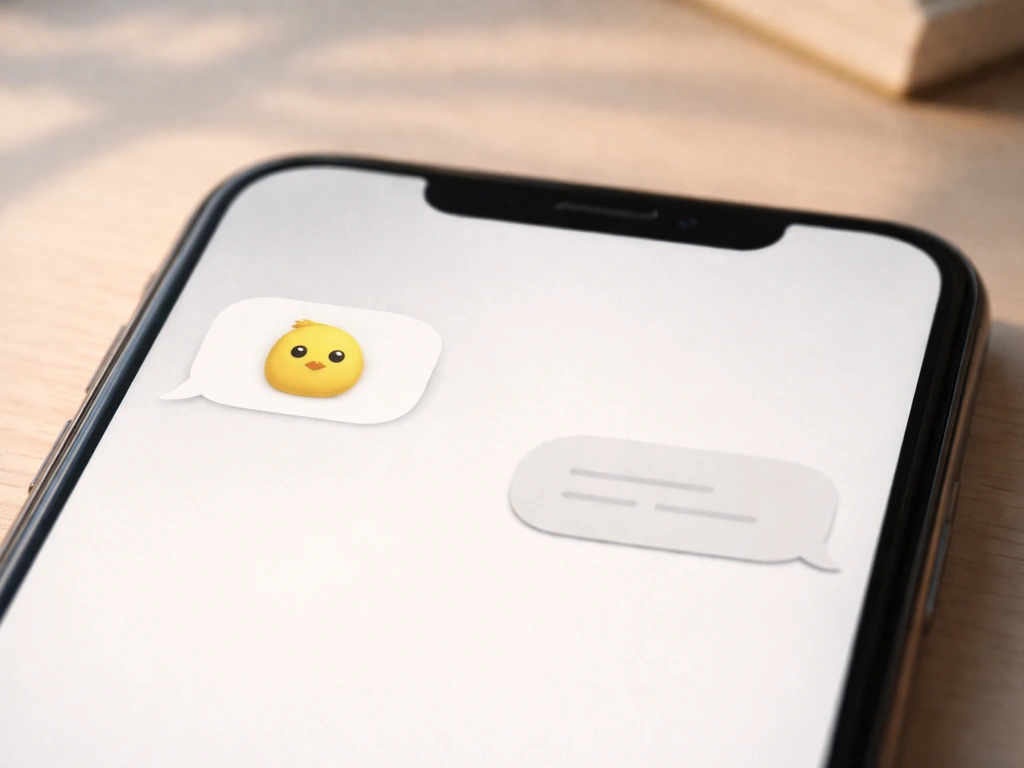
In some online contexts, sending a bird emoji (especially the 🐦 with a kind of neutral stare) can be used ironically or dismissively, in the same family as the side-eye cat or the shrugging emoji. If the tone of his messages has been dry, sarcastic, or distant, the bird might be a low-effort response that signals he's not particularly engaged. This is the "yeah, cool, bird emoji" version, and it's worth not over-reading it as meaningful.
Slang-coded intent
If the conversation has been in coded or slang-heavy language, and he's sending a bird emoji in that context, it could carry one of the slang meanings described above. British "bird" as a pet name, or other community-specific uses, could be in play. His texting baseline matters here. Research on emotional intelligence and emoji use confirms that how someone typically uses emojis in their messages is a better predictor of intent than any single emoji's dictionary meaning.
How to figure it out from the message itself
Emoji meaning in isolation is genuinely unreliable. Studies on emoji-only messages have shown that receivers and senders interpret the same emoji very differently when there's no surrounding text. The fix is simple: read the context, not just the emoji. Here's a practical method.
- Look at what came immediately before and after the emoji. Is it part of a sentence that gives it a job? "Flying home for the weekend 🐦" is literal. "You remind me of a 🦜" is loaded.
- Check the overall tone of the conversation. Has it been warm, sarcastic, flirty, or businesslike? Emojis act as tonal amplifiers, not standalone messages.
- Think about who sent it. A close friend sending a bird emoji reads differently than a new match on a dating app doing the same.
- Look at the full emoji cluster. Multiple emojis together shift meaning. A 🐦 next to a 💕 is different from 🐦 next to a 🙄.
- Consider timing. A bird emoji at 11pm in an ongoing flirty thread hits differently than the same emoji in a 9am group chat about weekend plans.
- Factor in their texting baseline. Do they use emojis a lot, or is this unusual for them? An unusual emoji from a low-emoji sender is more deliberate than the same emoji from someone who sends 12 emojis per message.
This holistic approach is actually what forensic and investigative guidelines recommend when interpreting online communication: examine surrounding messages for meaning rather than treating any single emoji as a fixed signal. The same logic applies when you're just trying to figure out what your crush meant, not just when law enforcement is involved.
Common misconceptions about bird emojis
The biggest misconception is that there's a lookup table somewhere that tells you exactly what a bird emoji means, the way a dictionary defines a word. There isn't. Emojis function more like tone-of-voice or body language cues than like words. Wikipedia's overview of emoji communication describes them as adding emotional and paralanguage cues to text, not as carrying fixed linguistic meaning. Once you internalize that, a lot of the confusion dissolves.
Another common mistake is assuming the emoji the sender saw is the same one you received. As covered above, platform rendering genuinely differs. Someone who sent what looked like a playful, rounded cartoon bird on their iPhone may have no idea that you received a flat, slightly stern-looking bird on your Android.
People also tend to overlook that bird symbolism runs deep culturally and spiritually, which can bleed into how people use bird imagery even in casual digital communication. Just as the symbolic meaning of a bird head varies widely across art traditions and mythologies, the instinctive associations people bring to bird emojis are shaped by culture, not just by emoji charts. Someone who grew up with certain folk traditions around birds might use a bird emoji with a warmth or reverence that reads completely differently to someone outside that cultural context.
Similarly, imagery choices in communication often echo older symbolic traditions. Think about how the bird mask has carried layers of meaning from Venetian carnival to plague doctor iconography. When someone in a creative or artsy community uses a bird emoji, they may be drawing on that kind of layered symbolic weight rather than sending a literal or slang-coded message.
One more misconception worth debunking: assuming a bird emoji is always benign. In certain slang contexts, as described above, it can carry coded meanings that are anything but innocent. Context and community matter. Don't assume the cute baby chick reading just because the emoji looks harmless.
How to respond when you're not sure what they meant
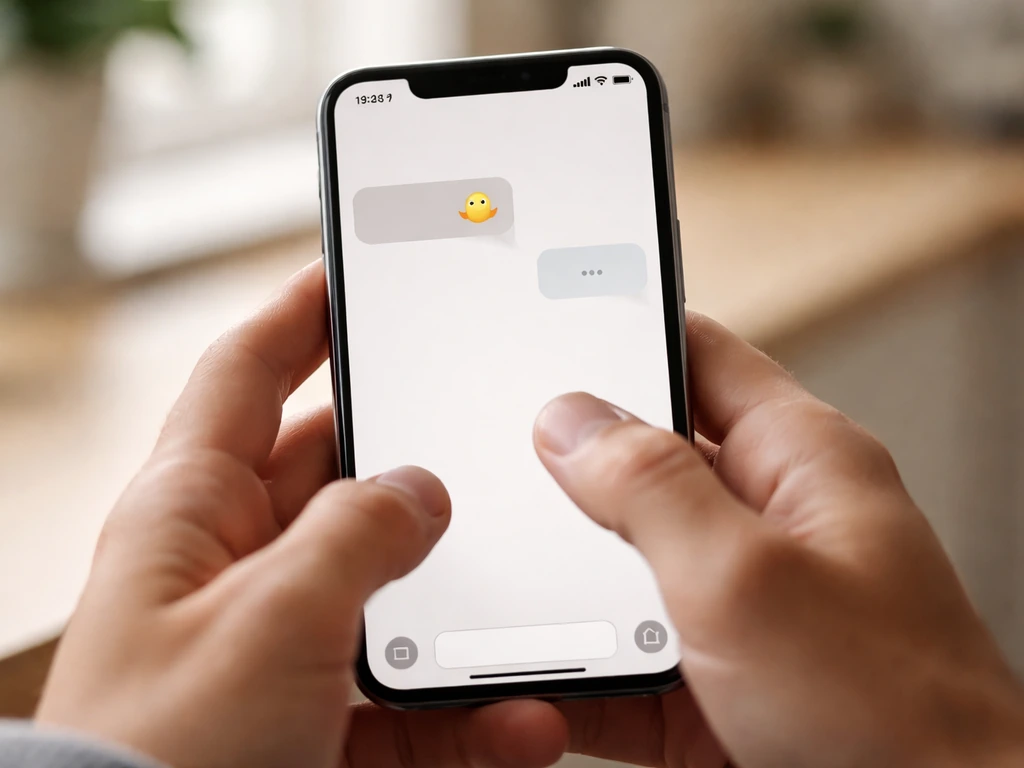
The most practical next step if you genuinely can't tell: respond in kind with a light touch and see what they do. Mirror the energy without overcommitting to an interpretation. If you respond warmly and they clarify or expand, great. If they pull back or it was clearly just a casual use, no harm done.
If you want a direct answer, just ask. "Random bird emoji, what's that about?" is a completely normal thing to send, and most people will either laugh and explain, or lean into it if it was flirty. Asking is always safer than spending three hours trying to reverse-engineer intent from a single emoji.
If the communication involves any kind of costume or persona play (think someone who stylizes their whole online presence around birds or sends bird-adjacent imagery consistently), that context shifts things further. Just as the symbolism behind a bird suit or bird-costumed persona can range from whimsy to deep totemic identification, someone whose digital identity is built around bird imagery might use bird emojis as genuine self-expression rather than as a coded signal.
One thing to keep an eye on in more cryptic or artistic communication: bird imagery paired with unusual body-part references can signal something more mythological or symbolic in intent. For instance, the ancient and complex figure of the bird-headed man with bison from prehistoric cave art is one of the oldest known examples of bird symbolism in human communication, which tells you how deep the instinct runs. When someone uses bird imagery in a way that feels weirdly specific or layered, it might be worth thinking about what tradition or reference they're drawing from.
Finally, pay attention to how bird imagery interacts with words or phrases in the same message. Just as bird lips carries specific symbolic meaning in certain art and cultural contexts, the exact phrasing someone wraps around a bird emoji can activate very different readings. "You talk like a 🦜" is a critique. "Morning, little 🐥" is affection. The words and the emoji together are the actual message.
FAQ
Can a bird emoji be a passive-aggressive response even if it looks cute?
Yes, especially if the emoji sits next to “troll” style wording (like “sure,” “whatever,” or short one-liners). A bird emoji alone can be neutral, but when the surrounding text is dismissive, the bird often functions like a low-effort reaction rather than a “secret message.”
How do I tell if a bird emoji is just a one-off vibe versus a personal code?
In most normal chats, it’s safest to treat it as a reaction or vibe unless the sender repeats the pattern. If you see the same bird emoji paired with the same person or topic over time, then it’s more likely personalized slang or an inside joke, not a universal meaning.
Does where the bird emoji appears in the message (start, middle, end) change its meaning?
Look for punctuation and pacing. A bird emoji in a long, thoughtful message often softens the tone, while a bird emoji at the end of a curt sentence can signal disengagement. Also note whether it’s the first emoji in a reply or the last element, since that placement changes how it reads as “opening energy” versus “closing gesture.”
What if the bird emoji is sent with other symbols, like speech bubbles or topic tags?
If the sender used an “extra” bird-related sequence, decode the whole sequence. For example, a bird plus a speech bubble or flame-like symbols may override the default bird vibe, and platform auto-suggestions can also swap in a different bird code point than the sender intended.
When does the 🦜 parrot mean “stop repeating yourself,” and when is it something else?
Yes, especially with the parrot emoji. If you want to interpret “stop repeating yourself” correctly, check whether the conversation includes a repeated phrase, someone answering the same question twice, or a correcting tone. Without that setup, the parrot can revert to “colorful personality” or “tropical” vibes.
How can I factor in my sender’s usual emoji habits?
Trust your prior pattern data. If this person usually uses emojis lightly and then suddenly sends a bird emoji in a tense moment, it may be irony or hedging. If they spam emojis routinely during casual chats, the bird is more likely playful rather than strategic.
How should I interpret a bird emoji after an argument or awkward moment?
If someone sends a bird emoji immediately after a disagreement, treat it as a tone marker. A baby chick in that moment can mean “I’m not mad” or “let’s reset,” while a more realistic bird (especially if the overall message is short) can mean “I’m done here.”
What’s the safest way to ask about bird emoji meaning without sounding accusatory?
Yes, but keep it grounded. A good tactic is a low-risk follow-up like “Haha, what’s up with the bird?” rather than “Do you mean X?” That approach invites clarification without forcing a specific interpretation.
If the bird looks different on my screen, which matters more, the artwork or the message text?
Generally, prefer the language context over device context unless you see a “meaning-shift” clue. Device rendering matters, but words and tone still usually dominate. If the message includes affectionate phrases, flirty language, or clear sarcasm markers, you can decode it even if the bird artwork looks different.
When should I stop trying to decode the bird emoji and take the situation seriously?
Watch for red flags from the overall conversation, not the emoji. If the surrounding text includes threats, coercion, or coded drug-related slang terms, don’t try to “interpret” the bird as harmless cuteness. In those cases, clarify boundaries or disengage rather than decoding further.
Next Article
Bird Blindness Meaning: Causes, Signs, and What to Do Now
Bird blindness meaning: spot signs, tell vision loss from other issues, and take safe action or get urgent vet care.