When someone searches 'bird lips meaning,' they are almost never asking about literal bird anatomy. In most cases, 'bird lips' is being used as a physical descriptor for a person who has thin, small, or pursed lips, sometimes used as a teasing nickname and sometimes as a genuinely curious question about what the phrase implies about personality or expression. Less commonly, it shows up in dream interpretation or spiritual symbolism contexts, where bird imagery applied to a human face carries its own folk meanings. Figuring out which reading applies to your situation takes about 30 seconds if you know the right questions to ask yourself.
Bird Lips Meaning: Human and Cultural Interpretations

Marcus Holloway
11 May 2026
What 'Bird Lips' Actually Refers To: Literal vs. Metaphor vs. Slang
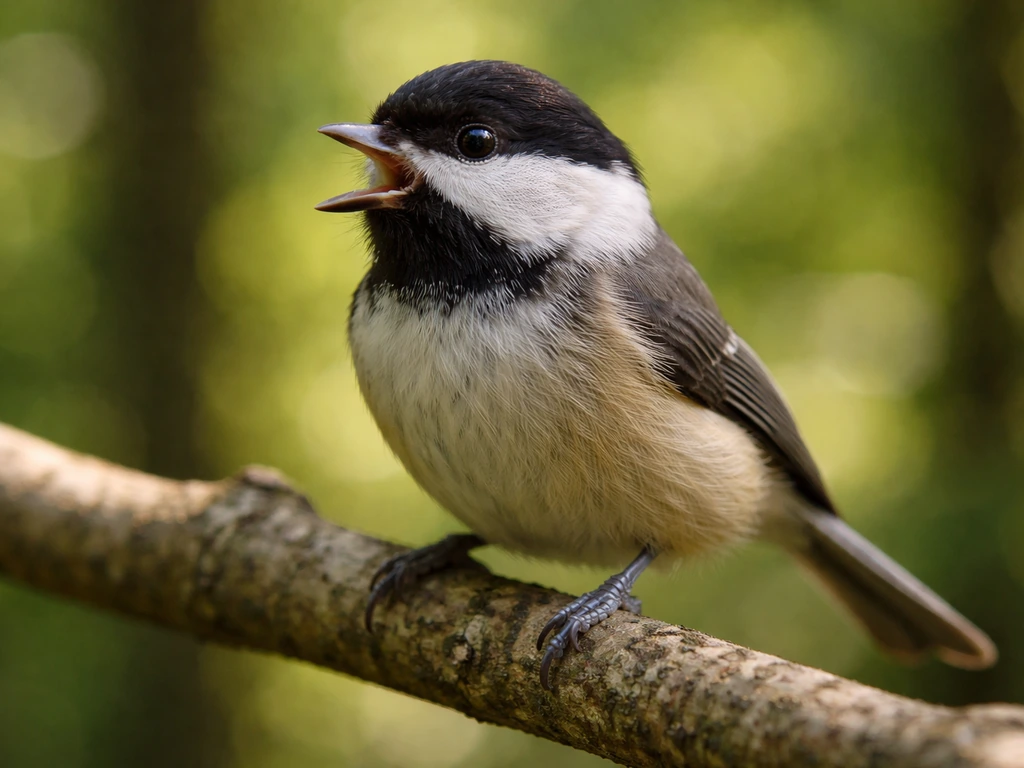
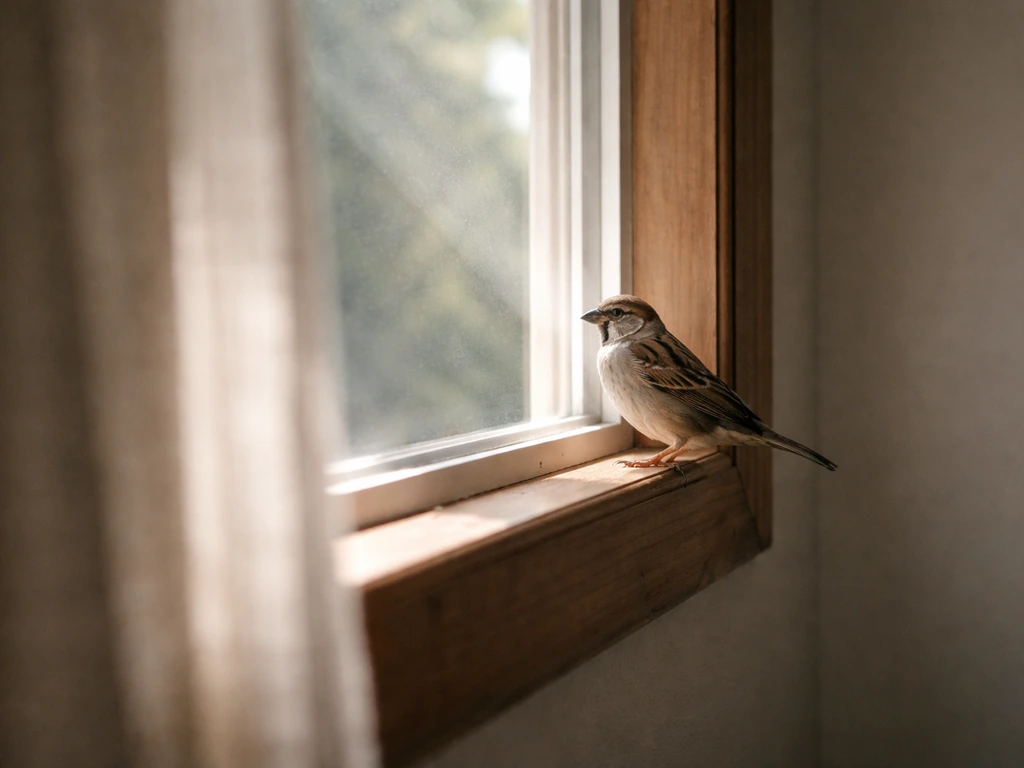
Let's get the literal bird anatomy out of the way first, because it is genuinely interesting and often misunderstood. Birds do not have lips in the mammalian sense. What they do have is a structure called the gape, which is the fleshy, often brightly colored area at the corners of a bird's beak (sometimes called the bill or gape flanges). In young birds especially, this gape area is wide, soft, and visually striking. Some people online refer to this area informally as 'bird lips,' but that is not a standard ornithological term. If you stumbled onto an article about bird biology and saw 'bird lips,' it almost certainly means the gape.
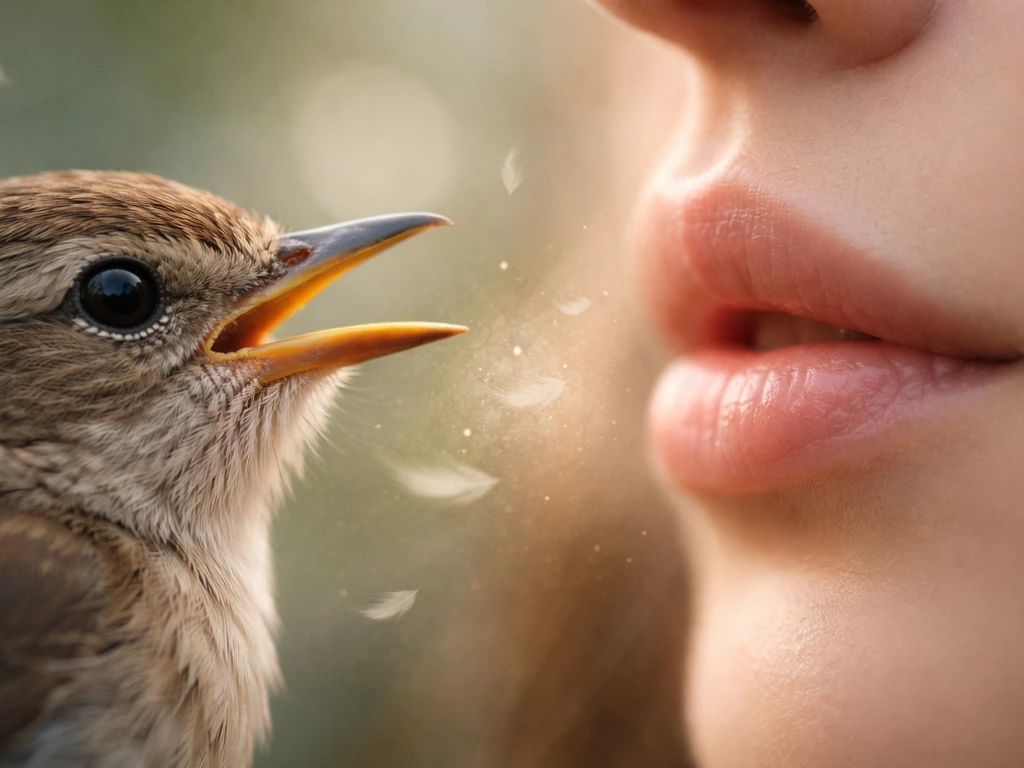
The far more common usage, though, is metaphorical and human-facing. When someone says a person has 'bird lips,' they typically mean that person has a small, thin, or particularly pursed mouth. Think of the way a bird pecks, with its beak coming forward in a tight, pointed motion. Transferred to a human face, that image becomes a description of lips that are narrow, barely-there, or that pucker tightly. It has been used as a nickname (often in a joking or mildly teasing way) and as a casual physical descriptor in online conversation.
There is also a loose slang layer. 'Bird lips' as a nickname appears in lists of school-yard and internet-era nicknames for people with distinctive mouth shapes or stingy personalities (the idea of someone who barely opens their mouth, speaks in small pecks, or holds back words). It does not have one fixed dictionary definition, which is exactly why people search for it: they heard it, they want to know if it is an insult, a compliment, or something else entirely.
Bird-Lips Symbolism in Culture and Folklore
Birds are among the most symbolically loaded creatures in human culture worldwide, and their mouths, beaks, and voices carry specific meanings across many traditions. A bird's beak is associated with the power of speech, truth-telling, prophecy, and song. In Egyptian iconography, bird-headed figures like Thoth (ibis-headed) and Horus (falcon-headed) represented wisdom, divine communication, and the linking of the human and divine realms. The beak, in these traditions, is literally the instrument of sacred speech. Thoth is often associated with writing and ritual speech, aligning with Egyptian ideas of divine communication as sacred utterance The beak, in these traditions, is literally the instrument of sacred speech..
In folk traditions across Europe and parts of Asia, birds with particular beak shapes were associated with different omens. A bird that pecked with precision was seen as a sign of exactness, discernment, or even judgment. A bird with a wide-open gape (those 'bird lips' in the literal sense) in nest-related folklore often symbolized need, vulnerability, and the hunger for nourishment, both physical and spiritual. When this imagery gets applied to a human face or expression, those same symbolic currents can carry over in interpretive contexts.
It is worth noting that the idea of bird features on a human face shows up in several symbolic traditions in ways that go beyond simple description. If you are also looking at face or expression imagery, bird mask meaning is a related adjacent interpretation worth checking alongside bird lips meaning. Bird masks in ritual and theatrical contexts across cultures represent transformation, the spirit world, and altered states of being. A 'bird mouth' or 'bird-faced' quality applied to a person, in older folkloric readings, could suggest someone who speaks with unusual precision, someone who carries messages between worlds, or someone whose words carry more weight than their appearance suggests.
Spiritual and Omen Interpretations (and How to Use Them Responsibly)
If you are coming to 'bird lips' from a spiritual or omen-reading perspective, here is what tends to come up in those circles and how to apply it without overclaiming. In some traditions of physiognomy (the practice of reading personality and fate from facial features, found in Chinese, Indian, and Western folk traditions), the shape and size of a person's lips are taken as meaningful. Thin, tightly pressed lips are often read as signs of caution, self-control, secrecy, or reserve. The 'bird lips' descriptor, in that context, might imply someone who guards their words carefully, who speaks precisely but sparingly, or who is more of an observer than a talker.
In omen and sign traditions more broadly, seeing a bird with an unusually prominent beak or gape in a dream or vision is sometimes interpreted as a message about communication: something needs to be said, or you need to listen more carefully. Some folk interpreters extend this to physical features on a person you encounter, treating a 'bird-mouthed' individual as a messenger figure or as someone whose words you should pay attention to.
The responsible way to use any of this: treat it as one lens among many, not a verdict. Physiognomy has a troubled history and no scientific validity. If a spiritual reading resonates with you intuitively and helps you reflect, that has value. But attaching fixed predictions to someone's lip shape and acting on them is where this kind of interpretation goes wrong. Use it for self-reflection, not for judging others.
What 'Bird Lips' Says About Someone's Expression or Intent (the Human-Facing Meaning)
This is the layer most people are actually asking about when they search 'bird lips human meaning.' Beyond physical description, calling someone's lips 'bird-like' often carries an implied personality read. Here is what the phrase tends to suggest in practice, depending on context:
| Context | What 'Bird Lips' Implies | Tone |
|---|---|---|
| Physical description | Small, thin, or pursed lips; a tight, puckered mouth shape | Neutral to mildly teasing |
| Nickname (school, social media) | Someone who rarely speaks, speaks in clipped phrases, or has a distinctive mouth | Humorous, sometimes affectionate |
| Behavioral read | Reserved, precise, careful with words; possibly seen as stingy with speech or emotion | Neutral to slightly critical |
| Folkloric/physiognomy | Self-controlled, secretive, discerning; a person who measures their words | Interpretive, not scientific |
| Insult context | Implies someone looks unattractive or overly guarded (thin-lipped in the negative sense) | Critical, unkind |
The tone of the phrase shifts dramatically depending on who is saying it and why. Between friends, 'bird lips' as a nickname is usually playful. Directed at a stranger or said behind someone's back, it tips toward mockery. If you are trying to figure out whether it was meant as a compliment, a joke, or an insult in your specific situation, the delivery and relationship between speaker and subject tells you far more than the phrase itself.
Dream and Sign Interpretations: How to Narrow It Down

If 'bird lips' came up in a dream or appeared to you as a visual sign (a dream about a bird with an unusually visible gape, or dreaming of a person with bird-like facial features), here is a practical way to figure out what your own subconscious or your interpretive tradition might be pointing toward.
- Check the emotional tone of the dream first. Was the bird-lipped figure threatening, comforting, neutral, or comic? That emotional register usually tells you more than the specific image.
- Ask what the mouth was doing. Was it open, asking for something? Closed and tight? Singing? Each action shifts the interpretation (need vs. control vs. communication).
- Identify who the figure represented. If it was a real person you know, the dream is likely processing something about your relationship with them, not delivering a cosmic message about lip shapes.
- Cross-reference with your tradition. If you practice a specific spiritual or cultural tradition, look up how that tradition treats bird imagery and mouth/speech symbolism specifically, rather than relying on generic internet dream dictionaries.
- Note the bird species if you can. A hummingbird's needle-like beak carries different symbolic weight than a raven's heavy beak or a parrot's curved bill. If you recognize the species, that context adds a useful layer.
Bird imagery in dreams most commonly clusters around themes of freedom, communication, messages, and transition. A focus on the mouth or beak specifically tends to narrow that toward the communication axis: something about speech, truth, silence, or a message you are sending or receiving. The 'bird lips' image is unusual enough that it often signals something very specific to the dreamer's personal experience rather than a universal symbol. A related search, like the bird-headed man with bison meaning, often comes up in the same “symbolic creatures” conversations bird headed man with bison meaning.
If 'bird lips' came up not in a dream but as a search tied to emoji or visual content, know that there is no standardized 'bird lips emoji.' Searches for that phrase tend to land on general bird emoji meanings (freedom, messages, nature) or lips/mouth emoji meanings separately. For more detail on the symbol, see the bird emoji meaning and what people usually associate it with. There is no single symbol that combines the two with a fixed meaning.
Fact-Checking and Common Misconceptions
A few things circulate online about 'bird lips' that are worth correcting directly.
- Birds do not have lips. This is genuinely true. The mammalian lip structure, with its muscle and skin designed for suckling, does not exist in birds. What gets called 'bird lips' in casual conversation is usually the gape, a soft commissure at the beak's corner, most visible in chicks. Calling it 'lips' is a loose, informal usage, not an anatomical one.
- 'Bird lips' is not an established slang term with a single agreed meaning. It is a descriptive phrase that different communities use in different ways. Anyone who tells you it definitively means one specific thing in modern slang is probably overstating it.
- Physiognomy (reading personality from facial features) has no scientific support. The folk tradition is real and historically widespread, but its predictions have not held up to testing. Using it as a reflection tool is fine; using it to make decisions about people is not.
- There is no ornithological omen tradition specifically tied to 'bird lips' as a category. Omen traditions focus on bird species, behavior, direction of flight, and calls, not on the visual appearance of beaks or gape flanges in any detailed way.
- The 'flip the bird' meaning (an obscene gesture) is completely separate from 'bird lips' and the two phrases do not overlap in meaning or origin.
How to Get Your Exact Answer: Quick Questions and Next Steps
The fastest way to figure out which 'bird lips' meaning applies to your situation is to run through these questions in order. Most people land on their answer by question three.
- What prompted the search? If someone called you or someone else 'bird lips,' go straight to the human-facing meaning section above and use context (relationship, tone, setting) to decode it. If you dreamed it, use the dream section. If you saw it in a nature article, it is probably about the gape.
- Is the phrase being applied to a person or a bird? Person means metaphor/slang/physiognomy territory. Actual bird means biology (gape/beak structure).
- What is the cultural or spiritual tradition you are working within? Generic internet interpretations are rarely specific enough to be useful. Your own tradition's take on birds, speech, and the mouth is far more relevant than a one-size-fits-all dream dictionary entry.
- Is the intent clear from tone and relationship? For the human-applied meaning, the speaker's relationship to the subject and delivery almost always settles whether it is teasing, insulting, affectionate, or purely descriptive.
- If it is dream-based, journal it immediately. Write down every detail you remember: the species if identifiable, what the mouth was doing, who else was in the dream, and your emotional state. You will find the personal meaning in those details, not in a generic lookup.
If you are still unsure after running through those questions, the most useful thing to do is sit with the context a little longer rather than reaching for the most dramatic interpretation. 'Bird lips' in most everyday situations is a physical descriptor with a mild, often humorous edge. If you are looking for bird suit meaning, it is a different phrase with its own specific context, so it helps to confirm which wording you actually saw Bird lips. The spiritual and omen layers are real traditions worth exploring, but they are rarely the reason this phrase shows up in someone's day. Start with the simple reading and work outward from there only if the simple reading does not fit.
FAQ
Is “bird lips” ever used to mean something sexual or anatomy-related?
Usually no. In most searches and everyday talk, it is metaphorical, pointing to thin, small, or pursed lips. If the conversation feels sexual, it is likely coming from a different phrase or a different slang context, so check the surrounding words and where it was said (group chat, flirting, comments, etc.).
How can I tell if “bird lips” is an insult, a joke, or a compliment?
Look at who said it, whether they have an established playful tone with you, and whether it was public. Nicknames between close friends are often light, while comments to a stranger or behind their back often function as mockery. Also note whether it targeted the person’s appearance only, or paired with judgment about behavior (that shift usually makes it harsher).
What should I do if someone calls me “bird lips” and I do not like it?
Treat it like any other unsolicited nickname. You can ask for clarification, set a boundary, and redirect: for example, “Don’t call me that, it feels disrespectful.” If it is repeated in public, consider documenting the exact wording and context before responding further, especially in school or workplace settings.
Does “bird lips meaning” in dreams always predict a communication-related message?
Not always. Bird imagery often clusters around themes like freedom and messages, but the “mouth” focus usually points to speech, silence, truth, or a decision to say something. The more specific clue is what you felt during the dream (fear, excitement, embarrassment), since that emotion often determines whether it is about expressing yourself or holding back.
Is there a “bird lips emoji” with a specific fixed meaning?
No. People tend to mix meanings from separate symbols, like general bird emoji associations (messages, freedom) and mouth or lips emoji associations (speech, secrecy, kissing). If you saw a specific emoji set, the exact combination and surrounding text matter more than the phrase “bird lips” itself.
Can “bird lips” relate to personality traits like being secretive or guarded?
In physiognomy-style folk readings, thin, tightly pressed lips are sometimes linked to caution, reserve, or careful speech. But that framework is not scientifically supported, so it is best used as a reflection prompt, like “Do I tend to hold back when I’m unsure?” rather than as a label for someone else.
What is the literal bird connection, and how is it commonly misunderstood online?
Birds do not have mammal-style lips. What people call “bird lips” informally is usually the gape area at the beak corners, which is especially visible in young birds. If an article or video talks about “bird lips” but shows the beak corners or feeding gape, it is almost certainly referring to that anatomy.
I saw “bird lips” mixed up with “bird mask meaning” or “bird mouth.” Are these the same idea?
They can overlap in “bird symbolism” conversations, but they are not the same. A bird mask often points toward transformation, performance, or altered states, while “bird mouth” or “bird lips” tends to focus on communication, expression, or speech. If you are trying to decode meaning, match the interpretation to the specific body feature mentioned.
If someone said “bird lips” online, can I assume they meant anything about my personality?
You should not assume. Many online uses are simple physical descriptors or mild teasing. The safest decision aid is context: was it descriptive (talking about someone’s mouth shape), evaluative (judging character), or conversational (banter between friends).
How can I double-check what phrase I actually saw?
Confirm the exact wording and spelling. Similar phrases can mean totally different things, for example confusion between “bird lips” and “bird suit” or other “bird X” terms. If you have a screenshot or direct quote, copy the exact phrase and search it separately from the broader “bird lips meaning” query to reduce mix-ups.
Next Article
Bird Suit Meaning: Costume, Symbolism, Dreams, and Slang
Bird suit meaning in costume, symbolism, dreams, and slang, plus how to interpret without false prophecy.