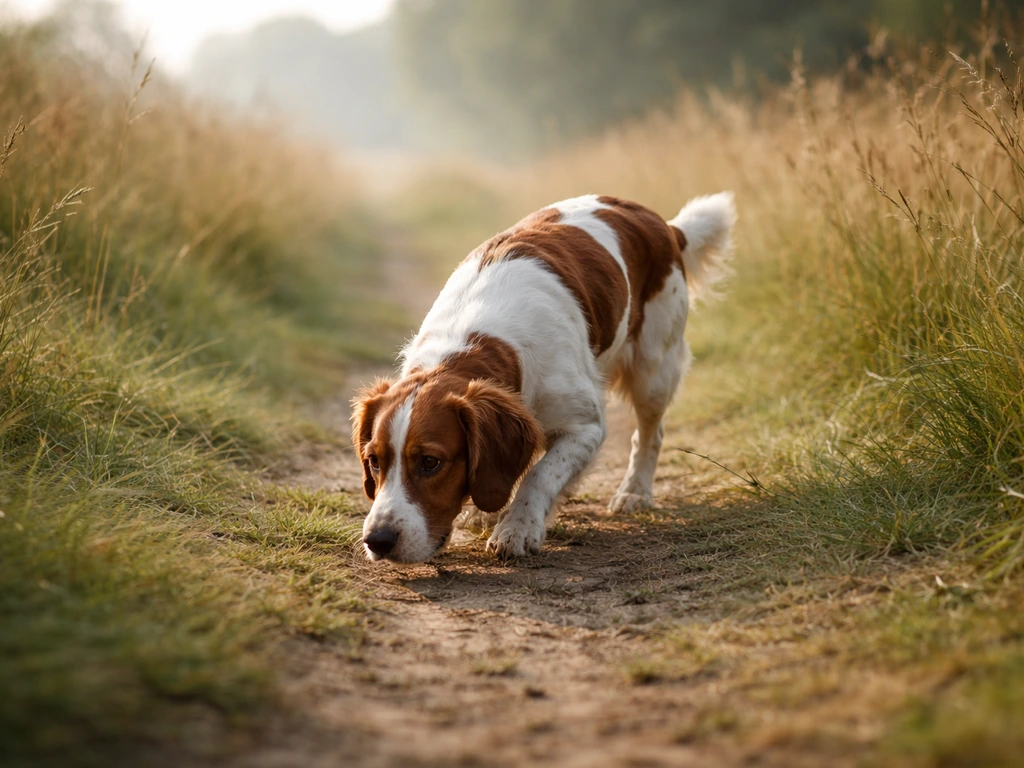
When someone uses the phrase 'bird dog' in everyday conversation, they almost always mean one of three things: a trained hunting dog that finds and points game birds, a person who scouts out leads or opportunities for someone else, or the act of watching or following someone very closely. The meaning that fits depends entirely on context, and once you know the three main uses, it clicks into place instantly. If you’re trying to pin down the “bird dogs meaning” you see in search results, look at the surrounding context to decide whether it’s about hunting, scouting, or close monitoring.
Bird Dog Saying Meaning: What People Really Mean

Marcus Holloway
1 Jun 2026
What 'bird dog' actually means as a saying
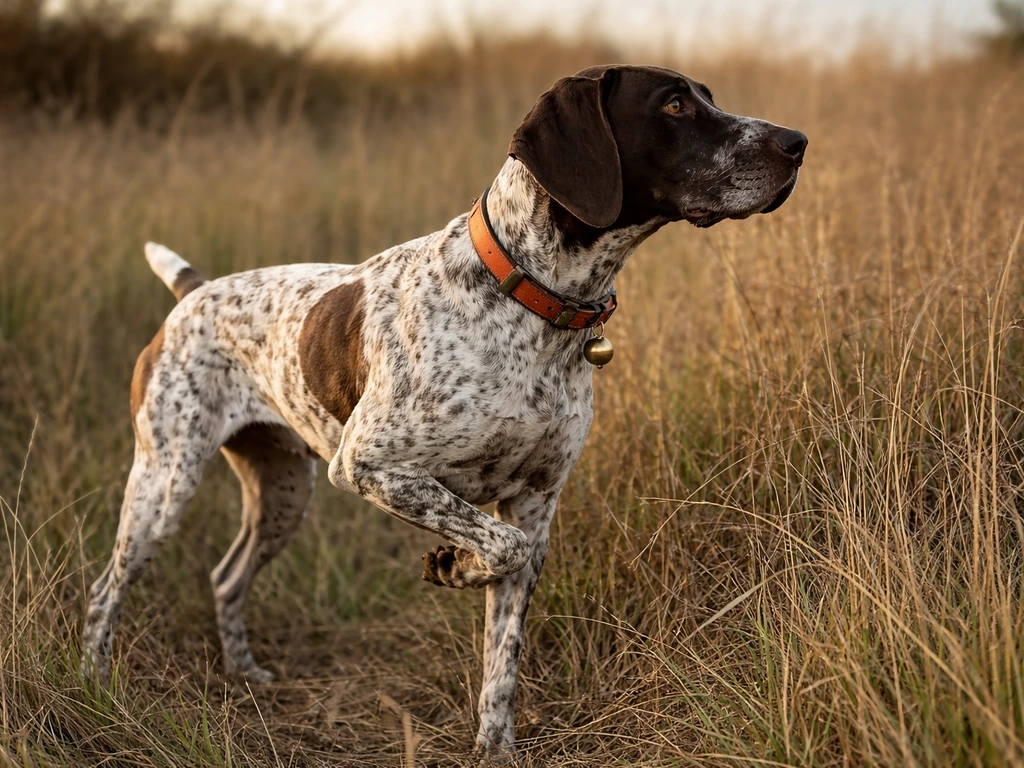
At its core, 'bird dog' is a direct metaphor borrowed from hunting. A bird dog is a sporting breed trained to locate game birds, freeze in a stylized pointing stance to signal where the bird is, and wait steadily through the flush and shot until the handler gives the next command. That combination of keen detection, focused attention, and reliable follow-through is what the phrase carries into figurative use. When you call someone a bird dog, or say you're going to bird-dog something, you're invoking exactly those qualities: sniffing out a target, locking onto it, and not letting go.
Merriam-Webster lists 'bird-dog' as both a noun and a verb. As a noun it covers 'a gundog used in hunting birds' and, by extension, 'one such as a canvasser or talent scout who seeks out something for another.' As a verb it means 'to closely watch someone or something' or 'to doggedly seek out someone or something.' Both forms trace back to that same hunting-dog image of fixed, patient, relentless attention.
Where the phrase comes from and how it moved into everyday language
The noun form is documented in English by 1832, straightforwardly built from 'bird' plus 'dog' to describe a dog used in bird hunting. The verb form came later, with Merriam-Webster placing the first known use of 'bird-dogging' in 1933. That gap makes sense: once English speakers had the noun locked in, it was only a matter of time before they started using the hunting behavior as a verb. By the early 20th century, 'bird-dog' as a verb was already showing up to describe closely monitoring a person or situation. By the 1930s it had branched further into slang, picking up a dating sense (more on that below) and then a scouting or canvassing sense that stuck in business and politics.
The metaphor works because a pointing breed's behavior is genuinely striking. The dog doesn't chase or bark; it goes still, stares, and holds the point until the handler is ready. That image of disciplined, unbroken focus is exactly what people reach for when they want to describe sustained tracking of a person, lead, or opportunity.
The main contexts where you'll hear 'bird dog'
Hunting and dog sports
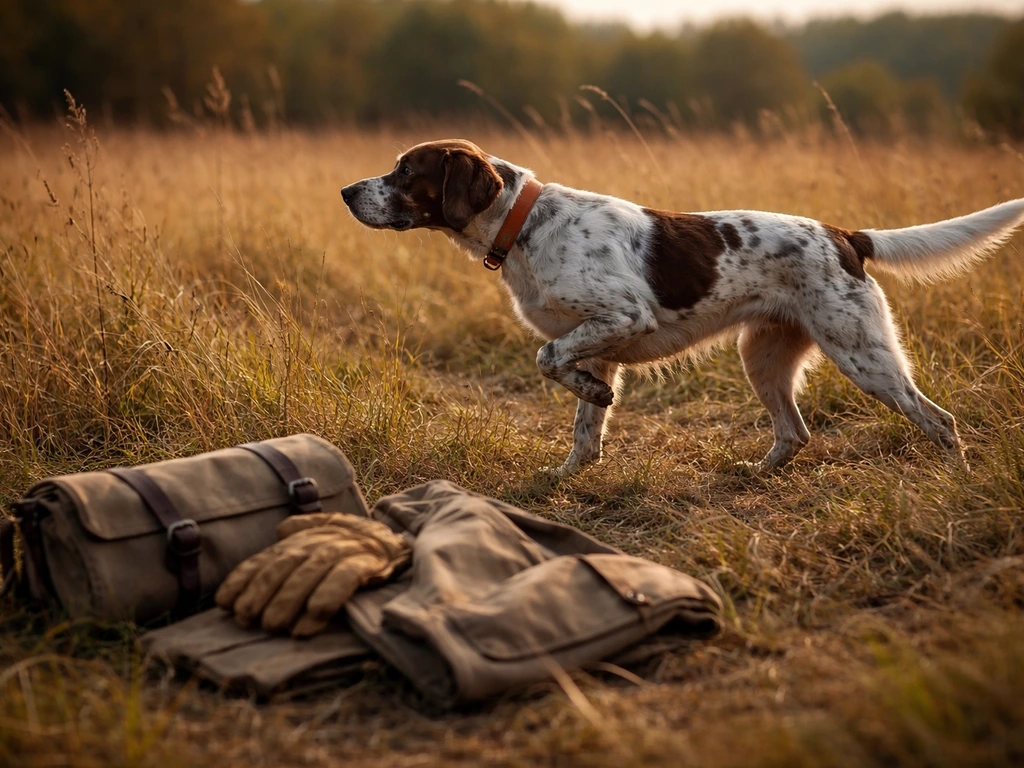
In hunting and dog-sport circles, 'bird dog' is purely literal. It describes breeds like pointers, setters, and spaniels trained to find and indicate game birds. The AKC defines it as 'a sporting dog bred and trained to hunt game birds,' and in field-trial conversations, the term is always about the actual dog's ability to hold a point, take a flush, and work with the handler. If you hear this in a conversation about hunting dogs, breeds, or field tests, take it at face value.
Business, real estate, and lead generation
In business, 'bird dog' has become a real term of art, especially in real estate investing. A bird dog in this context is someone who scouts off-market or undervalued properties and passes the leads to an investor in exchange for a flat fee or a cut of the profit. Platforms like Rocket Mortgage and FortuneBuilders use the term directly. More broadly, any industry that relies on scouts, canvassers, or lead finders uses 'bird dog' the same way: the bird dog does the legwork of finding the opportunity, and the investor or decision-maker takes it from there. If someone at work says 'I need you to bird-dog some new clients,' they mean get out there, find prospects, and bring them back.
Politics and activism

In political organizing, 'bird-dogging' means following and closely watching a candidate or official, often to ask pointed questions at public events or document their behavior. The ACLU of New Mexico even produced a guide defining bird-dogging as 'to follow, watch carefully, or investigate.' In this setting, the verb form dominates, and it carries a mild adversarial edge, though it's standard civic-engagement language.
Dating slang
Merriam-Webster notes that by the 1930s, 'bird-dogging' picked up a slang meaning specifically tied to stealing or attempting to steal someone else's date. Dictionary.com still lists this sense. Urban Dictionary connects it to the hunting-dog metaphor: the dog becomes fixated on the target and never takes its eyes off it, which maps onto someone who zeroes in on another person's partner. If you’re looking up the bird dog meaning on Urban Dictionary, check which context is being described since it can shift between surveillance, scouting, and dating slang. This use is older and less common today, but it still surfaces in casual conversation, particularly in Southern U.S. dialects.
CB radio and other niche uses
In CB radio slang, 'bird dog' refers to a radar detector used to spot police speed traps. Wiktionary lists this sense explicitly. It's a niche use, but it reinforces the same core meaning: something that detects and alerts you to what's ahead.
Related bird phrases and what people mix up
Because this site covers bird meanings across multiple contexts, it's worth separating 'bird dog' from a few phrases that get tangled with it in searches and conversation. None of the following mean the same thing, even though they all involve birds.
| Phrase | Actual Meaning | Confused With |
|---|---|---|
| Wild goose chase | A futile pursuit of something unattainable | Bird dog's scouting/seeking sense |
| Bird-brained | Foolish or mentally muddled (a criticism) | The sharp, focused attention in 'bird dog' |
| Bird in hand | Better to keep what you have than risk it for more | Bird dog's opportunity-finding sense |
| Birdwatching | Literal observation of birds for recreation or science | Sometimes conflated with bird-dog symbolism online |
| Bird dog it | To pursue or closely monitor something (verb use) | Often confused with 'bird-dog someone' which has the dating-theft flavor |
The phrase 'bird dog someone' carries a slightly different flavor from 'bird-dog it' or 'bird dog a deal. The phrase bird dog someone meaning is slightly different from the dating or deal-scanning versions, so matching the context will keep you from guessing wrong. The phrase 'bird dog someone' carries a slightly different flavor from 'bird-dog it' or 'bird dog a deal bird dog it meaning. ' When the object is a person, especially in older slang, it leans toward the date-stealing sense or close surveillance. When the object is an opportunity, project, or lead, it leans toward the scouting/monitoring sense. That distinction matters in interpretation, and it's covered in more depth elsewhere on this site.
Symbolic and spiritual takes on 'bird dog'
Some corners of the internet have attached spiritual or symbolic meaning to the bird-dog concept, framing it as a metaphor for intuition, inner guidance, or a spiritual messenger that leads you toward something important. If you’re searching for bird dog song meaning, start by checking which “bird dog” sense the lyric is echoing, since the phrase can refer to hunting, scouting, or close watching.
I find that reading genuinely interesting as a cultural lens, even if it's not grounded in linguistic history. Dogs across many traditions symbolize loyalty and guidance; birds across many cultures represent messages, transitions, and heightened perception. Combining the two into a 'bird dog' archetype as a symbol of spiritual seeking or being guided toward your path is a poetic interpretation that shows up in modern blog spirituality.
That said, it's worth being clear: this symbolic reading is not what major dictionaries, hunting communities, or business professionals mean when they use the term. It's a folk or personal-development overlay, and it emerged much later than the actual phrase. If someone in a spiritual or dream-interpretation context uses 'bird dog,' they may genuinely mean something about intuition or being led to an answer. But that meaning is not attached to the phrase linguistically; it's attached by the speaker's own framework.
Spiritually, the hunting-dog archetype does show up in Indigenous American traditions and some European folklore as an animal helper or guide that leads the seeker to what they need. That connection to guidance and finding is real within those traditions. The bird element adds perception and the ability to see from a higher vantage. So if you're exploring the phrase through a spiritual lens, the 'bird dog as inner guide or messenger' reading has cultural roots, even if it's not what a real estate investor or a hunting enthusiast means by it.
How to figure out which meaning applies to your situation
The fastest way to land on the right meaning is to run through three quick context checks.
- Who said it and where? A hunter or dog owner talking about field work means the literal breed. A real estate investor or sales manager means scout/lead-finder. An activist or journalist means close monitoring or investigation. Someone from an older generation talking about social situations may mean the date-stealing sense.
- What form is the word in? Noun ('a bird dog') in a work context points to the scout/finder role. Verb ('bird-dog it' or 'bird-dogging') points to the watching-or-following action. The grammar is one of your clearest clues.
- What words are around it? Words like 'point,' 'flush,' 'game,' or specific breeds signal hunting. Words like 'lead,' 'deal,' 'investor,' 'property,' or 'client' signal business scouting. Words like 'candidate,' 'official,' or 'question' signal political organizing. A flirty or competitive social tone alongside the word tips toward the dating slang sense.
Quick examples
- 'She's a real bird dog when it comes to finding off-market properties.' (Business/real estate scouting sense)
- 'We need someone to bird-dog that contractor and make sure he shows up on schedule.' (Close monitoring/follow-up sense)
- 'He's been bird-dogging that senator at every town hall.' (Political investigation sense)
- 'My uncle's bird dog is a German shorthair trained for pheasant.' (Literal hunting breed)
- 'Don't bird-dog my girlfriend.' (Dating/date-stealing slang, older usage)
Clearing up myths and bad assumptions about bird phrases
One myth worth addressing directly: 'bird dog' does not have a hidden omen or superstition meaning the way some bird-related sayings do. Unlike seeing a crow at a window or a bird flying into your house, which carry long cultural traditions around luck and death omens, 'bird dog' is a language metaphor, not a folk belief. There's no tradition in mainstream Western or Indigenous folklore that treats the phrase 'bird dog' as a sign or portent. When people claim a deeper mystical meaning for the saying, they're usually retrofitting modern spirituality onto a linguistic term, not drawing on documented cultural tradition.
Another common confusion is treating 'bird dog' as inherently negative because 'bird-dogging someone' can sound aggressive or intrusive. The phrase is neutral at its core. Surveillance and persistence are the values in the metaphor, and whether that's a good or a bad thing depends entirely on the situation. A talent scout bird-dogging a promising athlete is doing their job. An investigative reporter bird-dogging a corrupt official is doing civic good. Someone bird-dogging their ex is a different story. Context, as always, is everything.
Finally, don't conflate the phrase with general bird symbolism. Reading something like 'a bird visited me today and I feel like I'm being bird-dogged toward a new opportunity' is poetic personal interpretation, not a folk belief with documented roots. Birds across cultures do carry rich symbolic weight, and dogs carry their own, but the compound phrase 'bird dog' entered language as a practical hunting term, not a spiritual one. That's worth keeping straight, especially if you're trying to understand what someone actually said to you versus building your own symbolic framework around the idea.
FAQ
How can I tell which bird dog meaning someone intends if they do not give any extra context?
Use the verb and the object as your clues. If they mention leads, prospects, properties, or clients, they likely mean scouting the way a hunter dog “finds” targets. If they mention a person being watched at events or under pressure, it points to close monitoring. If they mention a partner or dating, that is the older slang sense, and the tone usually signals it (joking versus describing conflict).
What does “to bird-dog” usually imply in workplace conversations, like “bird-dogging new clients”?
It typically means active, persistent prospecting and follow-up until you have something tangible to hand off, not passive waiting. In practice, people often expect you to contact leads, qualify them, and return with next steps (not just “look around” generally).
Is “bird dog” always an adjective or noun, or can it be used as an instruction?
It is commonly used as a verb-like instruction in informal speech, such as “bird-dog that deal” or “bird-dog the lead.” When used that way, the speaker usually wants ongoing attention and updates until the target produces results, not one-time research.
Can “bird dog” sound insulting or threatening, and how should I respond?
It can, especially when the object is a person, because close monitoring can feel intrusive. If you are on the receiving end, ask a clarifying question like, “Do you mean researching the opportunity or tracking a person’s movements?” That quickly separates legitimate lead-finding from unwanted scrutiny.
What’s the difference between “bird dog someone” and “bird dog a deal/lead”?
When the object is a person, the wording is more likely to lean toward surveillance or dating-stealing slang (especially in older or regional talk). When the object is an opportunity, project, or lead, it almost always means scouting and persistent tracking of information until it is actionable.
If I hear “bird dog” on CB radio, does it have any connection to real hunting dogs?
No. In CB slang it refers to a radar detector, so the meaning is about detection of police activity. If the speaker talks about speeding traps, enforcement, or getting warned ahead, treat it as the electronics sense.
Is the “dating” bird-dogging meaning still common today, and how do I avoid misunderstanding it?
It shows up occasionally, but it is less common than the scouting and monitoring senses. To avoid confusion, listen for whether the speaker mentions a date, partner, or “taking” someone, versus mentions leads, jobs, politics, or investigations. If it is ambiguous, assume the professional or civic sense first.
Does “bird dog” have any mystical or superstition meaning people should take literally?
Not in mainstream usage. People may attach symbolic interpretations privately, but dictionaries and common professional or hunting contexts treat it as a practical metaphor. If someone claims it is a sign or omen, it is usually personal meaning rather than the phrase’s established definition.
What’s a common mistake people make when searching for “bird dog saying meaning”?
They assume one single meaning fits every result. The fastest correction is to check the surrounding words: hunting and field-test talk, business deal-scanning talk, and political “following” talk each point to different definitions, and the dating and CB-radar senses are narrower but still appear.
If a song lyric says something like “bird dog,” how should I interpret it?
Start by identifying which everyday sense the lyric is echoing, since it can draw from hunting imagery (fixed attention), scouting imagery (seeking leads), or monitoring imagery (watching closely). If the lyric is personal and spiritual, treat that as poetic framing rather than proof of a dictionary definition.
Next Article
Bird Dog It Meaning: What It Means and How to Use It
Learn the meaning of bird dog it in everyday English, with context examples, origins, and how to tell it apart from bird