When someone tells you to 'bird dog it,' they're asking you to track something down, keep a close eye on it, or stay on top of it until there's a result. That's the short answer. If you came here looking for the bird dog meaning on Urban Dictionary, the short answer is the same: to track, watch closely, and stay on top of something until you get results bird dog meaning urban dictionary.
Bird Dog It Meaning: What It Means and How to Use It

Marcus Holloway
22 Apr 2026
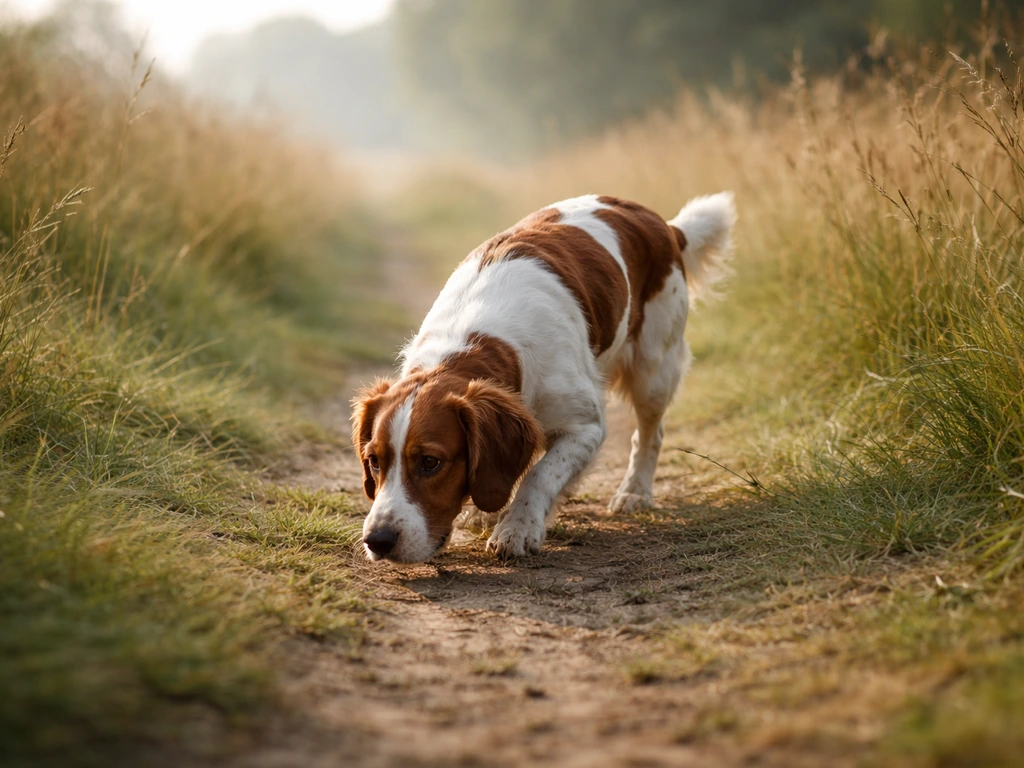
If you came here looking for the bird dog meaning on Urban Dictionary, the short answer is the same: to track, watch closely, and stay on top of something until you get results bird dog meaning urban dictionary. The phrase works as a direct instruction: don't let this slip, watch it carefully, follow it wherever it goes.
If your manager says 'I don't want this bogged down in red tape, bird-dog it and tell me when it's done,' they mean stay on the case and report back. Nothing mystical, nothing hunting-literal, just a vivid way of saying 'pay close attention and don't let it out of your sight. '
Plain-English Definition of 'Bird Dog It'

To 'bird dog it' means to follow, watch carefully, investigate, or pursue something with persistent, focused attention until you get what you're after. Merriam-Webster defines the verb 'bird-dog' as meaning both 'to closely watch someone or something' and 'to doggedly seek out someone or something.' Cambridge leans into the research angle, defining it as trying hard to find out as much information as you can, especially when that information isn't easy to get. Collins adds the investigative thread: follow, watch carefully, or investigate.
So when the phrase is used as an instruction ('bird dog it'), you're being asked to do one or more of these things: monitor a situation closely, track down information or a person, stay persistently on a task, or push until you get a clear answer. The 'it' at the end just makes it transitive, pointing the action at a specific target. Think of it as a shorthand for 'be relentless about tracking this.'
How 'Bird Dogging' Actually Works in Modern Slang
In everyday use today, 'bird dogging' shows up in a few overlapping but distinct contexts. In professional settings, it often means keeping close tabs on a project, task, or person to make sure nothing falls through the cracks. In political and advocacy circles, it's become a recognized tactic: trained activists and voters attend public events, seek out candidates or elected officials, and press them with specific questions, cornering them into giving real answers rather than canned responses.
The ACLU of New Mexico describes bird-dogging as attending elected officials’ events and public appearances and asking them direct questions about an issue or to support a cause press them with specific questions, cornering them into giving real answers rather than canned responses. .
The ACLU of New Mexico, Planned Parenthood Action, and housing advocacy groups like NLIHC all use the term this way, describing bird-dogging as attending town halls or press conferences and repeatedly surfacing an issue to keep it at the forefront.
In casual speech it's looser, used almost anywhere someone wants to convey persistent following or monitoring. Inquiry transcripts from Canadian municipal proceedings include lines like 'We don't bird dog it,' meaning 'we don't closely track or monitor it,' showing the phrase in a completely non-political, administrative context. The common thread across all of these uses is the same: focused, sustained attention on a target until the goal is achieved.
Where It Comes From: Hunting Dogs and the Pointer Stance
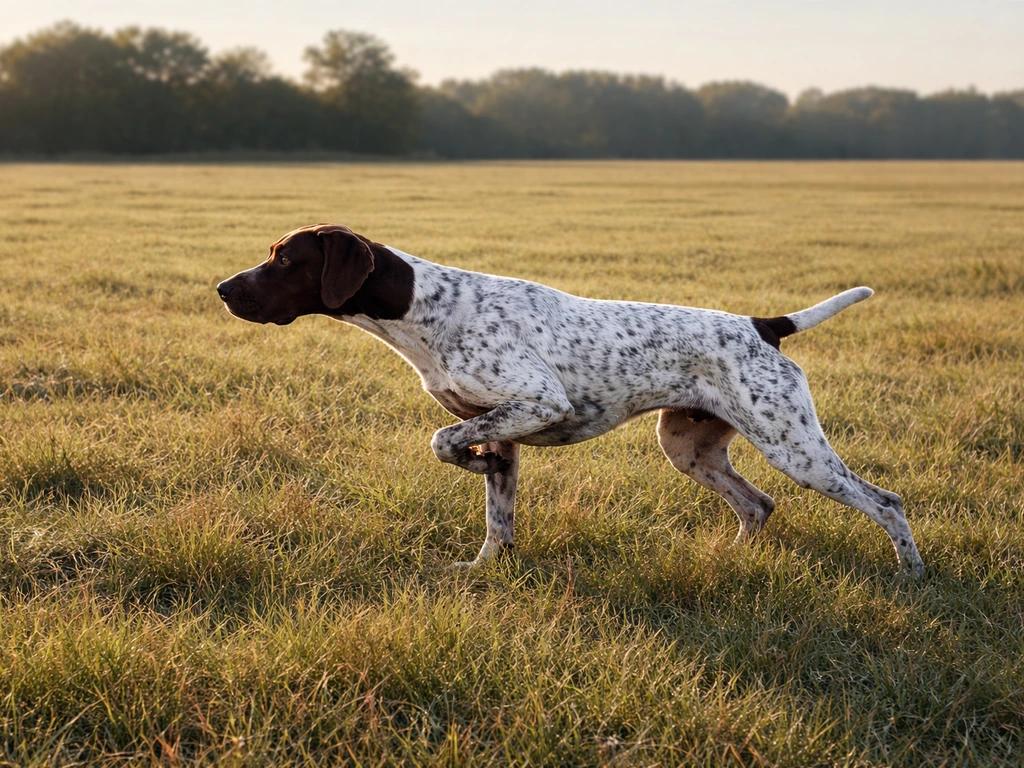
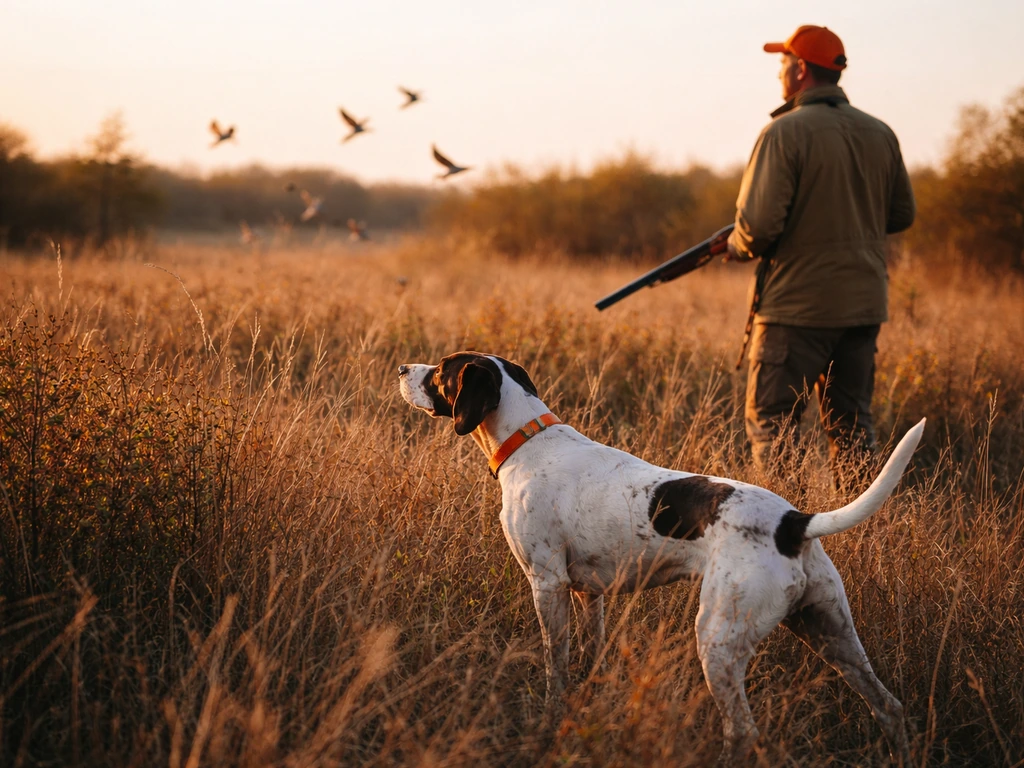
The phrase traces directly to hunting culture. The noun 'bird dog' appears in English by 1832 (per Etymonline), referring to a gun dog bred and trained specifically to locate game birds in the field. These dogs, particularly pointing breeds like the English Pointer, would move through cover until they detected a bird, then freeze in a rigid stance with their nose aimed directly at the hidden game, essentially telling the hunter exactly where to look.
Oxford Learner's Dictionaries describes the noun as a dog used in hunting to bring back birds that have been shot, though the pointing behavior is equally central to the breed's role. Oxford Learner’s Dictionaries defines bird dog (noun) as “a dog used in hunting to bring back birds that have been shot. ” [Oxford Learner's Dictionaries describes the noun as a dog used in hunting to bring back birds that have been shot](https://www. oxfordlearnersdictionaries.
com/us/definition/english/bird-dog).
By 1941, according to Etymonline, the verb form had emerged in figurative use: 'to bird-dog' meaning to follow closely, borrowing that image of a dog locked onto a scent and refusing to be distracted. The Washington Post describes the original hunting sense this way: the dog is sent into the brush to flush concealed birds into the open. That's the exact behavior the metaphor preserves, whether you're a political operative tracking a candidate or a manager keeping tabs on a stalled report. You're the dog. The target is the bird.
Reading the Room: How to Tell Which Meaning Is Intended
The literal hunting sense and the figurative slang sense are easy to tell apart once you know what to look for. If someone is talking about working dogs, field trials, pointers, setters, or retrievers, they likely mean 'bird dog' as a noun describing a specific type of hunting dog. If the phrase shows up as a verb, especially in the form 'bird dog it,' 'bird-dogging,' or 'bird-dog him,' you're almost certainly in figurative territory.
| Context | Likely Meaning | Example |
|---|---|---|
| Hunting / field sport conversation | Literal: a dog trained to locate game birds | "My bird dog locked on point for a full minute before I even heard the quail." |
| Workplace or management setting | Figurative: track a task or project closely, report back | "Bird dog it and let me know the moment it clears legal." |
| Political / advocacy setting | Figurative: follow and press an official for a clear answer | "We trained 30 volunteers to bird-dog the senator at the town hall." |
| General casual conversation | Figurative: keep close tabs, investigate, don't let it drop | "Bird dog it until you find out who changed the numbers." |
The grammar is your biggest clue. 'Bird dog it' with an object (it, him, her, the issue, the deal) is almost always the figurative 'track/monitor' sense. 'My bird dog' or 'a good bird dog' is almost always the noun referring to a hunting breed. When in doubt, look at the surrounding sentence: is there any hunting context? No? Then go with 'keep close watch.'
Common Misconceptions and Phrases People Mix Up
One thing that trips people up is conflating 'bird dog it' with simple surveillance words like 'tail' or 'shadow.' There's overlap, but 'bird dog it' carries a stronger sense of persistent pursuit and investigation, not just passive following. 'Tailing' someone implies staying behind them undetected; 'bird-dogging' implies actively pursuing, pressing, and flushing out information or a response, the way a hunting dog moves through cover rather than sitting at the edge of it.
Another common mix-up: 'bird dog' in real estate and finance refers to someone who finds leads or deals for a principal, basically a scout. That's adjacent to the main meaning but not the same as 'bird dog it' used as a monitoring instruction. If your sibling topic 'bird dog someone meaning' explores that interpersonal angle, it's worth knowing that 'bird-dogging someone' can sometimes take on a slightly confrontational tone, as in following and pressing a person specifically. The phrasing matters.
- Bird dog (noun): a hunting breed trained to locate and/or retrieve game birds
- Bird-dog (verb): to follow, investigate, or monitor closely and persistently
- Bird dog it (verb phrase / instruction): track this specific thing down; stay on top of it
- Bird-dogger: a person doing the bird-dogging, common in political advocacy contexts
- Tail / shadow: follow someone discreetly, more passive than bird-dogging
- Scout / spotter: find leads or targets for someone else, sometimes used interchangeably with 'bird dog' in real estate contexts
Also worth noting: 'bird dog' appears in other sibling contexts, including the Everly Brothers' classic song and various regional sayings, where the tone and meaning can shift. If you’re wondering how the phrase shows up in music, the bird dog song meaning is basically the same pursuit-and-attention metaphor applied to the lyrics. If you're tracing the phrase through music or idiom, the core 'pursuit' metaphor is still present, just applied to romantic rivalry rather than monitoring or investigation.
Is There Any Spiritual or Symbolic Angle Here?
Since this site spends a lot of time exploring what birds mean symbolically and spiritually, it's worth being direct: 'bird dog it' is not a spiritual phrase. If you ever wonder what the phrase means, the bird dog saying meaning is essentially “track it closely until you get results.”. It doesn't carry superstitious weight, it doesn't appear in folk traditions as an omen or ritual instruction, and there's no credible cultural symbolism attached to the phrase itself. Some low-authority sites make claims about spiritual or occult meanings tied to 'bird dog' as a phrase, but those aren't supported by any reputable etymological or folkloric sources. The phrase is pragmatic slang, full stop.
That said, the metaphorical symbolism embedded in the phrase does connect to real bird and animal archetypes. The hunting dog locked on a scent, undistractable and relentless, is a genuine symbol of focused awareness and persistent pursuit. In that sense, 'bird dog it' draws indirectly on the same symbolic qualities people associate with certain birds: the hawk's precision, the heron's stillness before the strike, the eagle's long-range attention. The alertness is real. But it's metaphorical, not mystical. If you're researching bird symbolism for spiritual reasons, this phrase isn't your entry point.
How to Use 'Bird Dog It' Correctly Right Now

If you want to use the phrase naturally, treat it as a verb instruction meaning 'track this closely and don't let it go.' It works in professional settings, advocacy contexts, and casual conversation. The key is pairing it with a clear object so the listener knows what's being tracked. 'Bird dog it' on its own is fine as a follow-up to a previous sentence. If you're wondering about the bird dogs meaning behind the phrase, it comes down to closely tracking a target until the job is done bird dog it. 'Bird-dog the permit application until it moves' or 'bird-dog the supplier until we get a firm date' are clean, concrete uses.
- Identify what needs monitoring: a task, a person, a piece of information, or a situation.
- Use 'bird dog it' or 'bird-dog [the target]' as your instruction, making sure the target is clear.
- Expect the phrase to land in professional or semi-formal contexts, it's widely understood but still has a slightly informal, assertive tone.
- If you hear someone say it to you, confirm what they want you to track and what 'done' looks like, so you know when to stop.
- If you're unsure which meaning is intended in something you're reading, check whether it's a noun (hunting dog) or a verb phrase (monitor/pursue), that distinction resolves it almost every time.
The phrase has been in figurative use for over 80 years, it's not going anywhere, and it reads as confident and direct when used well. If you're in a setting where someone might not know the term, 'stay on top of it' or 'keep close tabs on it' conveys the same idea with zero ambiguity. But if your audience will get it, 'bird dog it' is vivid, punchy, and precise in a way that more generic monitoring language just isn't.
FAQ
Is “bird dog it” ever meant literally, or is it always figurative?
It can be literal only when the sentence clearly talks about working dogs, hunting equipment, or fieldwork. If the phrase appears as an instruction to a person and includes a target like a project, issue, permit, or supplier, it is figurative, meaning track and pursue until there is a result.
What is the difference between “bird dog it” and “keep an eye on it”?
“Keep an eye on it” is lighter and can mean casual monitoring. “Bird dog it” implies persistence and follow-through (pressing for updates, checking repeatedly, and staying engaged until the objective is met).
Does “bird dog” imply being secretive, like “tailing” someone?
Not necessarily. “Bird dog it” is about active investigation and follow-through, not covert surveillance. If the context is sensitive, you can still frame it as due diligence and obtaining a response, rather than discreetly shadowing.
Can you say “bird dog the issue” or do you need “bird dog it”?
You can use either. Adding a clear noun or pronoun (“the issue,” “the file,” “him,” “the deal”) makes the instruction more specific and reduces confusion about what is being tracked.
Is it grammatically correct to say “bird-dogging it,” or should you use “bird dog it”?
“Bird dog it” is the most common command form. “Bird-dogging it” works as a descriptive or action phrase, especially in sentences like “I am bird-dogging the supplier,” but it sounds less like a direct order.
What tone does “bird-dogging someone” usually have in conversation?
It can sound a bit confrontational because it suggests you are actively pressing a person for an answer or response. If you want a softer tone, use “follow up on them” or “stay on top of their response,” especially in professional or customer-facing settings.
How do you avoid confusing “bird dog it” with the noun “bird dog” (the hunting dog)?
Watch the grammar. Noun use usually appears as “a bird dog” or “my bird dog.” The figurative tracking use usually shows up as a verb with an object, like “bird-dog it,” “bird-dog him,” or “bird-dog the report.”
What are some natural alternatives if your audience might not know the phrase?
“Stay on top of it,” “keep close tabs on it,” and “follow up until it is resolved” capture the same persistence and follow-through. Choose “follow up” when the target is another person or a process with a response expected.
Is “bird dog it” appropriate in formal emails or should you rephrase?
It can fit in workplace settings, but it is still slang. For formal writing, swap to “Please track this closely and update me when complete” or “Please pursue resolution and provide a status update by [date].”
What should you do if someone tells you to “bird dog” something but it is unclear what “done” means?
Ask for a specific outcome and timeline, for example, “What does ‘complete’ mean here (submission, approval, or confirmation)?” and “When should I report back, and to whom?” This prevents endless monitoring without a measurable endpoint.
Next Article
Bird Dogs Meaning: Literal Hunting Use and Common Slang
Understand bird dogs meaning in hunting, plus how slang or “no bird dogs” changes interpretation in context.