"Bird meaning" covers a surprisingly wide range of territory. Depending on who's searching and why, it could mean the literal dictionary definition of the word, a spiritual symbol tied to freedom or the soul, a slang term for a woman or a romantic partner, an idiom about a rude gesture, or even a playful internet meme. The good news is that context almost always tells you which one someone means, and once you know the landscape, navigating it is straightforward. This guide walks through every major interpretation, shows you how to tell them apart, and helps you fact-check the ones that deserve a little skepticism.
Bird Meaning: Literal English Definition and Symbolism

Marcus Holloway
23 Mar 2026
What "bird" actually means, literally and symbolically
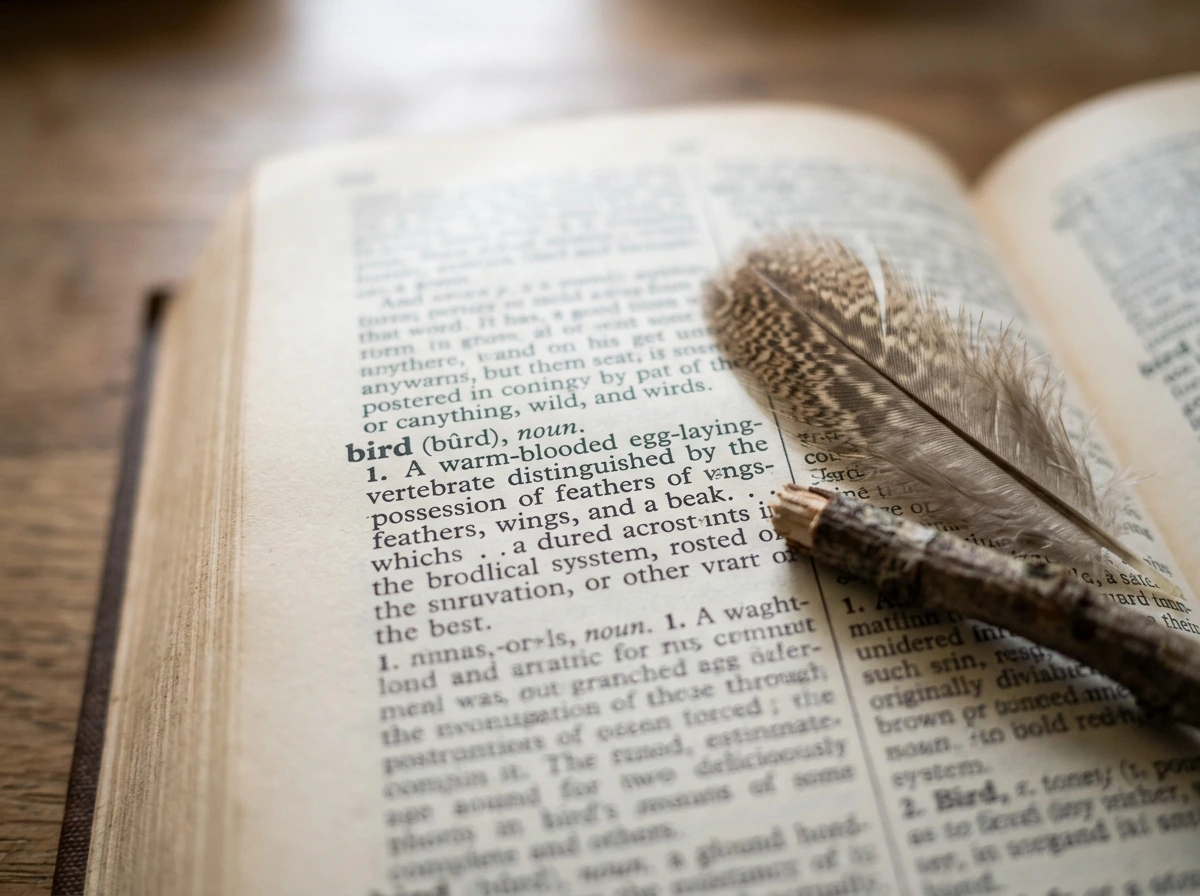
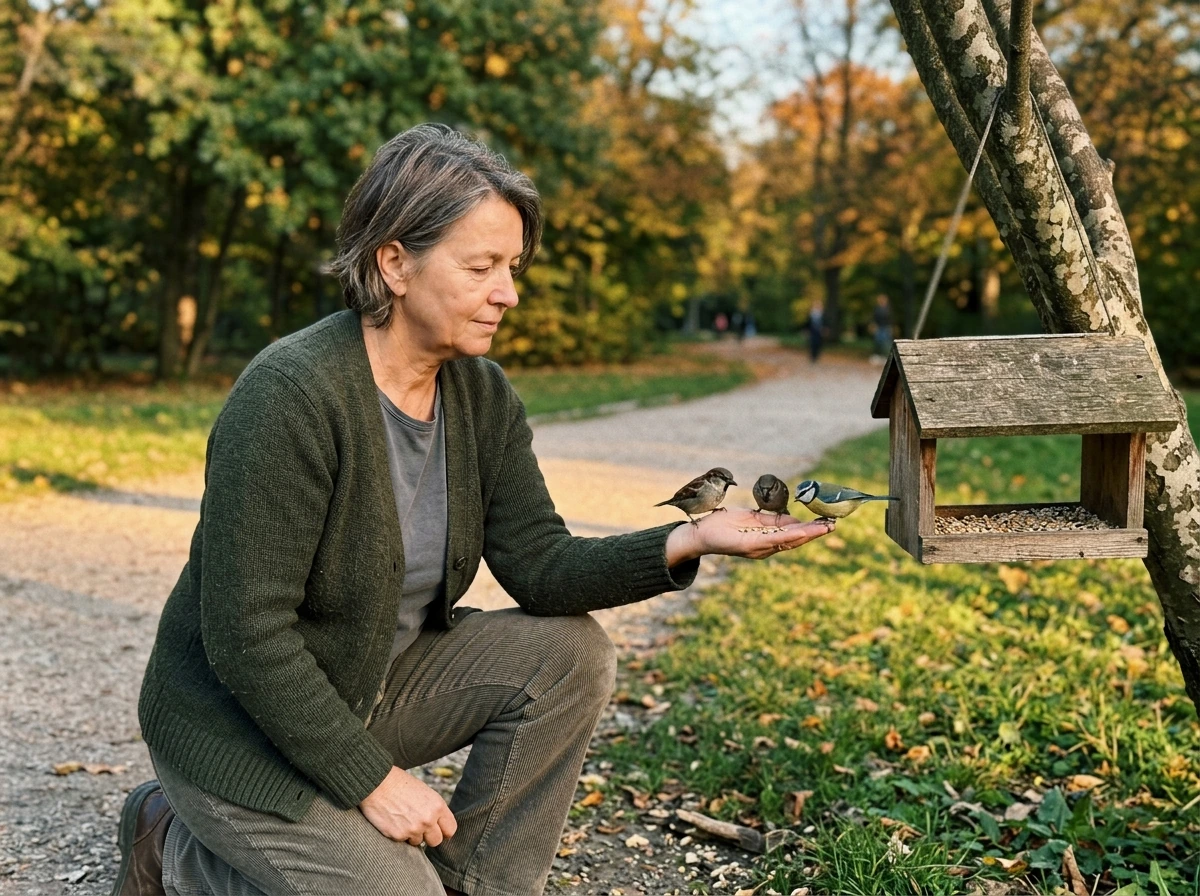
Start with the basics. In standard English, "bird" is a noun. Merriam-Webster defines it as a warm-blooded vertebrate animal with feathers, typically capable of flight. That's the biological baseline, and it's the meaning you'd reach for in a science class, a field guide, or a casual conversation about the sparrow sitting on your windowsill.
The symbolic layer is older and richer. Across dozens of cultures and centuries, birds have been used to represent things that are harder to pin down: the human soul, spiritual messengers, freedom, hope, transition between the living world and whatever comes after. Many popular symbolism traditions interpret birds in general as emblems of the spirit, and dreaming of birds is widely associated with themes of hope and liberation. This isn't random. Birds fly. They move between earth and sky. They show up unexpectedly and disappear just as fast. It's not hard to see why people started reading meaning into them long before dictionaries existed.
The important thing to hold onto is that these two layers, the literal and the symbolic, aren't competing. They coexist. When someone types "bird meaning" into a search bar, they might be asking about either one, or both. Knowing that distinction is the first step to finding the answer that actually helps them.
Birds and love: what people mean by "bird meaning love" or "bird meaning in life"
A lot of people come to "bird meaning" through a personal experience: they saw a bird at a meaningful moment, had a bird appear repeatedly, or noticed a bird in a dream during a period of romantic change. If what you mean is the slang “bird” for a woman, it helps to look at the specific bird lady meaning too. If you're also curious about the bird gang meaning behind that phrase, the context and usage matter just as much as the symbol. From there, they want to know what it means for love, relationships, or their broader life path. These are genuine questions, and they deserve a thoughtful answer rather than dismissal.
In love and relationship symbolism, specific bird species carry the heaviest weight. Doves are probably the most globally recognized symbol of love and peace. Swans, because they mate for life, get used constantly in romantic symbolism. Bluebirds appear in multiple traditions as symbols of happiness and hope, including Russian fairy tales where the bluebird directly represents hope, and Navajo traditions where the mountain bluebird is understood as a spirit in animal form. Cardinals, robins, and hummingbirds each carry their own regional and cultural associations with love, memory, and connection.
When people ask about "bird meaning in life" or "bird meaning life," they're usually pointing at something deeper than romance. They're asking about purpose, guidance, or spiritual direction. The traditional frame here is the spirit animal or totem concept, where a recurring bird in your life, dreams, or daily experience is seen as a guide connected to your personal journey. If this resonates with you, it's worth exploring with awareness of where these ideas originate, particularly in Indigenous traditions that have specific protocols around them, rather than treating every bird sighting as a generic cosmic memo. Bird meaning in dreams. bird lady meaning
What "bird" means in English, the plain language version
Searches like "bird meaning in English," "bird English meaning," and "the meaning of bird" are often coming from people learning English as a second language, or from someone who saw the word used in a context that didn't quite match what they expected. Here's the clean breakdown.
| Usage Type | What It Means | Example |
|---|---|---|
| Standard noun | A feathered, warm-blooded vertebrate animal | "A bird landed on the fence." |
| Informal/British slang | A woman or girlfriend (see slang section below) | "He's out with his bird tonight." |
| Internet slang ("birb") | A playful, affectionate misspelling of bird used in meme culture | "Look at this chonky birb." |
| Idiom (give someone the bird) | To make an obscene gesture (flip someone off) | "He gave me the bird when I cut him off." |
| Symbolic / spiritual | A messenger, omen, or spiritual symbol depending on tradition | "The raven is a bird of ill omen in Western folklore." |
As a part of speech, "bird" functions almost exclusively as a noun in everyday English. It can be modified ("a large bird," "a rare bird"), used as part of a compound noun ("bird feeder," "bird call"), or appear in idiomatic expressions. It does not function as a verb in standard English, though in slang it occasionally appears in verb-like constructions (covered below). If you're translating or learning the word, the core definition is always the feathered animal, and everything else is layered on top of that foundation depending on context and dialect.
Compound phrasing: bird-like, bird-in, bird-with, and what those forms tell you
Searches involving compound or hyphenated forms like "bird-like meaning," "bird with meaning," and "bird in meaning" are usually asking one of two things: either what a specific compound word means, or what it means when a bird appears in a specific context (in a dream, in your house, with a specific color or feature).
"Bird-like" as an adjective means resembling a bird in some quality, whether that's physical appearance (a bird-like face, meaning sharp features and quick eyes), movement (bird-like movements, meaning light, quick, and alert), or behavior. It's a straightforward descriptive compound in standard English. "Bird like" without the hyphen means the same thing in informal writing; the hyphen is just the more formally correct version before a noun.
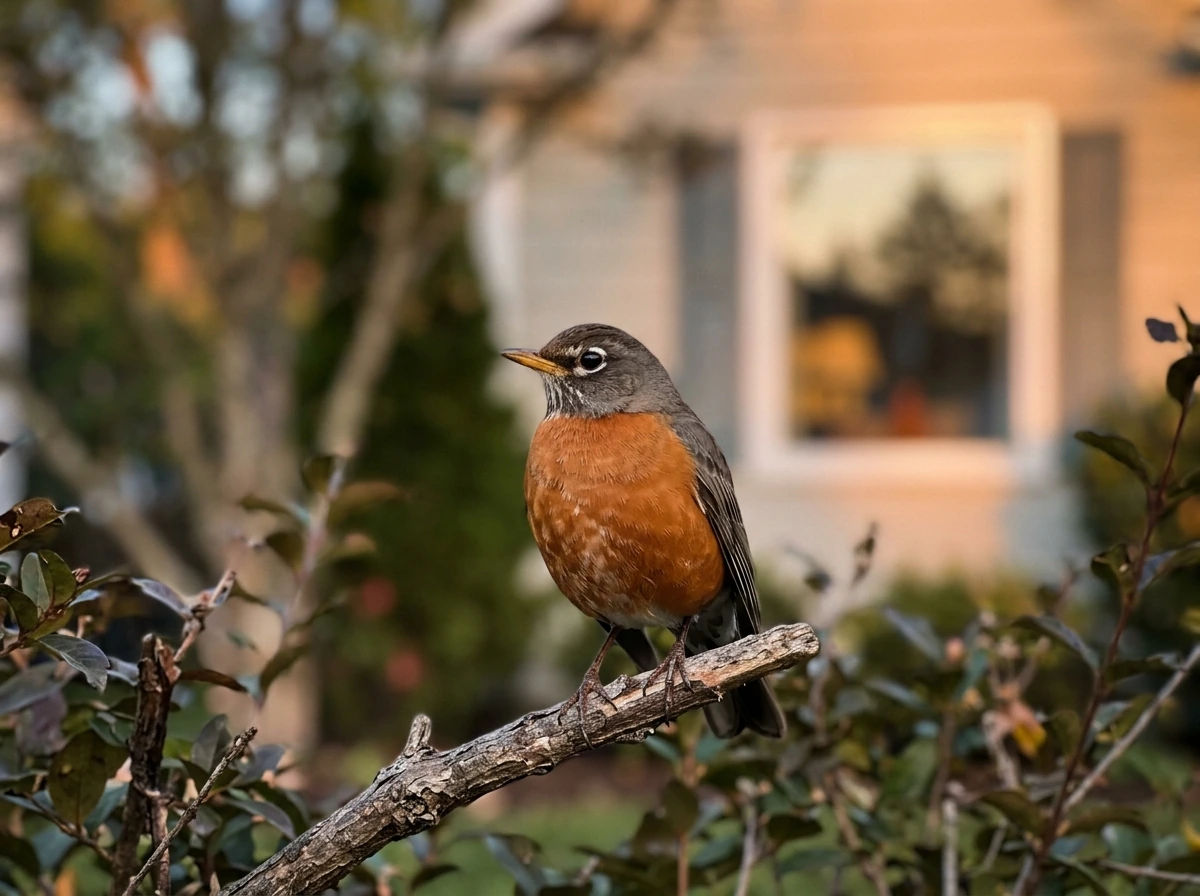
"Bird with" phrasing almost always signals that someone is describing a specific sighting and asking what it symbolizes. "A bird with a red breast" points to a robin. "A bird with black feathers" might be a crow or raven, both of which carry distinct symbolic traditions. In these cases, the meaning follows the species, not the word "bird" itself. Identify the species first, then look up its symbolism.
"Bird in" constructions follow similar logic. "A bird in the house" is one of the most searched symbolic scenarios, and most folklore traditions treat it as a significant omen, though whether it's good or bad varies wildly by culture and species. "A bird in a cage" carries its own symbolic weight around freedom, confinement, and restriction. In each case, the preposition is pointing you toward a specific scenario that needs its own interpretive context.
Bird up, bird down, bird out, bird in: slang and idioms decoded

These verb-adjacent expressions show up in searches regularly, and they don't all come from the same place. Here's how to tell them apart.
"Give someone the bird" and related idioms
The most established idiom in this family is "give someone the bird," meaning to make an obscene gesture, specifically the middle finger. Merriam-Webster documents this clearly, and Collins notes it as British English usage as well. It's vulgar but widely understood across both American and British English. This is probably the idiom people are reaching for when they search "the bird" as an expression without more context.
"Bird up," "bird out," and "bird down"
"Bird up" became a recognizable phrase primarily from a comedic internet context (a parody children's show style sketch), where it functions as a nonsense rallying cry rather than a phrase with a fixed meaning. If you see it used online, it's almost certainly a reference to that specific meme rather than an organic idiom with dictionary standing. "Bird out" and "bird down" don't have standardized slang definitions. "Bird down" occasionally appears in gaming or tactical slang to mean a drone or helicopter is down, which is metaphorical use of "bird" to mean aircraft, a usage that goes back to military and aviation slang. If you're seeing these phrases, check the community context: gaming, military, meme culture, and UK street slang all use "bird" differently.
"To bird" and "birding"
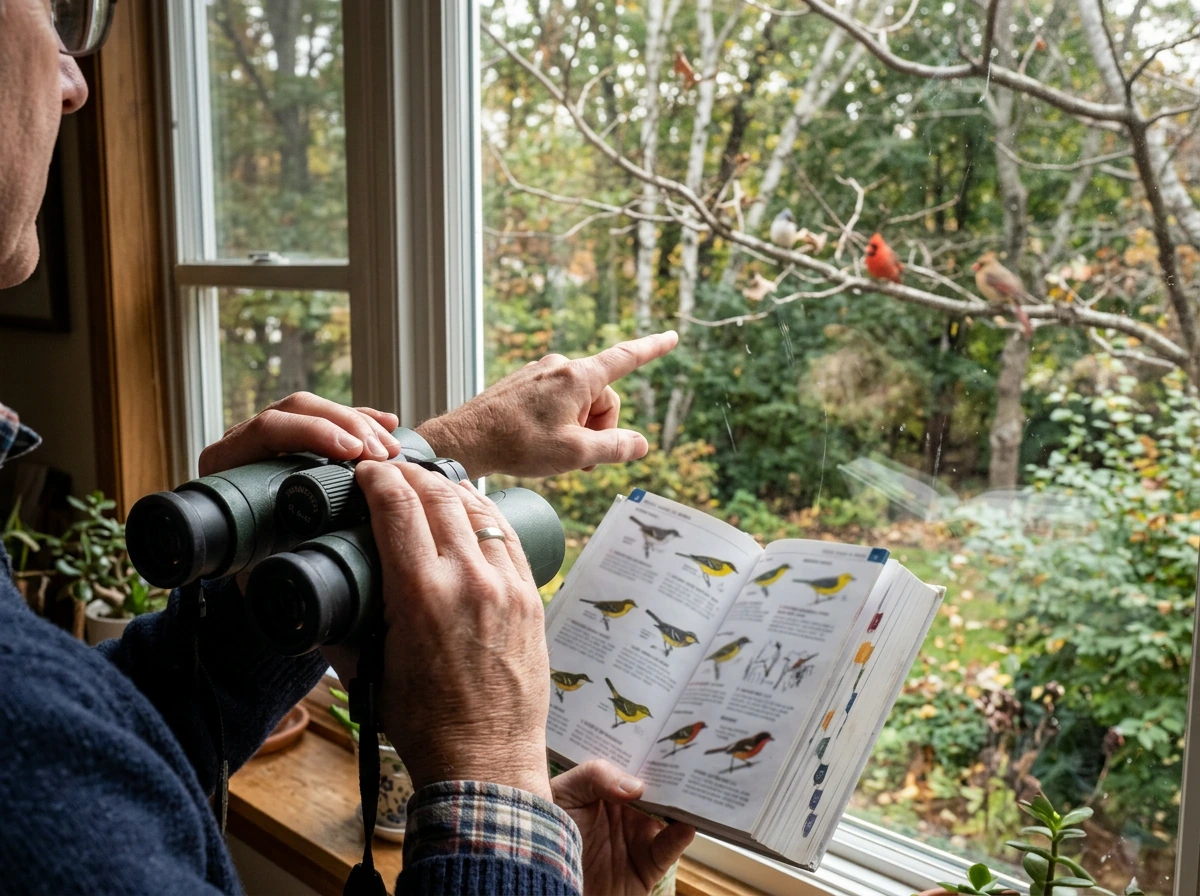
"To bird" as a verb is genuinely used in hobbyist communities and means to go birdwatching. "I was birding all weekend" is completely standard among birders. This is probably not what most slang searchers are looking for, but it's worth knowing because it's the one legitimately verb-formed use of "bird" in mainstream English.
"Bird" as slang for a woman or partner
In British English and some American regional dialects (including parts of New York slang), "bird" is used informally to refer to a woman or a girlfriend. If what you meant was bird meaning woman specifically, you may also want to compare it with bird lady meaning for the most common slang usage.
Bird life meaning and life bird meaning: spiritual and life-purpose readings
"Bird life meaning" and "life bird meaning" are two subtly different searches pointing at two different things. "Bird life meaning" usually asks what birds symbolize in the context of life, death, and spiritual continuity. "Life bird" is actually a specific term used in birdwatching: it refers to a species you've seen for the first time in your life, a milestone in a birder's personal list. Knowing the difference saves a lot of interpretive confusion.
In the spiritual frame, birds as symbols of life-purpose appear across world traditions. The historical practice of ornithomancy, the reading of omens from birds' actions including their flight patterns and song, was practiced in ancient Roman and Greek cultures and reflects a longstanding human instinct to find directional meaning in bird behavior. In this tradition, what a bird does matters as much as what species it is: the direction of flight, whether it sings or is silent, whether it approaches or retreats.
From a modern spiritual perspective, birds are frequently framed as messengers connecting the everyday world with something larger, whether that's the divine, the universe, or the subconscious. If a particular bird species keeps appearing in your life at significant moments, many traditions would suggest sitting with the question of what that species represents rather than rushing to a generic "birds mean freedom" answer. Each species brings its own associations, and those associations often vary by culture, so it's worth looking at the tradition that feels most meaningful to you rather than grabbing the first result that comes up.
Separating real bird behavior from superstition
One of the most common "bird meaning" scenarios that sends people searching is a bird hitting their window. The symbolic interpretation in many folklore traditions is that a bird flying into glass signals a death or a serious warning. Here's where it pays to fact-check before you spiral.
The U.S. Fish and Wildlife Service, the American Bird Conservancy, and the USGS have all documented window collisions extensively, and the explanation is physical, not metaphysical. Birds hit windows because glass reflects the surrounding habitat, trees, sky, and vegetation, and birds can't distinguish the reflection from the real thing. Artificial lights increase the risk at night by disorienting migratory birds. This is why collisions happen more during migration seasons and near windows with bird feeders or baths nearby. It's a serious conservation problem (billions of birds are killed this way each year in the U.S. alone) and has nothing to do with the state of your household's luck.
That said, dismissing the symbolic impulse entirely misses the point. If a window collision shakes you and prompts reflection, that's a valid human response. The key is distinguishing between what the bird is doing (navigating a confusing environment shaped by human construction) and what meaning you choose to assign to the encounter. Both can be true at the same time: the bird hit your window because of reflected light, and the experience made you stop and think about something important. You don't have to choose between the scientific explanation and the personal one.
The same logic applies to ravens and ill omens. Ravens have been associated with death and bad luck in Western European and some American folklore, largely because they're intelligent scavengers that appear near carrion. That behavioral reality, showing up where things have died, gave them their ominous reputation over centuries. But in other cultures, including many Indigenous North American and Norse traditions, ravens are tricksters and creators, figures of intelligence and transformation rather than doom. The bird's behavior is consistent across traditions; only the interpretation changes. Knowing that keeps you from treating one culture's symbolism as universal truth.
Misconceptions also cluster around the idea that birds are always intentional messengers. Most bird behavior is driven by hunger, territory, mating, migration, and predator avoidance. A bird singing outside your window at dawn is almost certainly a male announcing his territory or calling for a mate, not delivering a personalized message. That doesn't make the experience less meaningful if it moves you. But grounding your interpretation in what the bird is actually doing, and why, tends to produce richer and more honest symbolic readings than projecting a meaning onto behavior that has a straightforward ecological explanation.
How to figure out which "bird meaning" you actually need
Given how much ground this term covers, a quick diagnostic helps. Ask yourself which of these scenarios fits your situation best.
- You're learning English or translating: The answer is the dictionary definition. Bird is a noun. It means a feathered, warm-blooded vertebrate animal. Everything else is figurative or slang.
- You had an experience with a specific bird (a sighting, a collision, a recurring visit): Identify the species first. Then look up its symbolism within traditions that feel relevant to you, and weigh that against what the bird's behavior actually tells you ecologically.
- You saw or heard a phrase using "bird" and weren't sure what it meant: Check the context. British slang, American street slang, aviation jargon, gaming terminology, and internet meme culture all use "bird" differently. The community it came from almost always tells you which definition applies.
- You dreamed about a bird or birds: Dream interpretation is its own distinct area with its own frameworks. The article on bird meaning in dreams covers this in full detail.
- You're trying to understand bird symbolism in love or relationships: Start with the species, not the word "bird" in the abstract. Doves, swans, bluebirds, cardinals, and others each carry specific romantic or relational associations built up across centuries of folklore and poetry.
- You want to understand a spiritual or life-purpose connection: Explore the ornithomantic tradition, the spirit animal framework (with attention to cultural origin), and the specific symbolism of whatever species keeps appearing for you. Cross-reference across traditions to find where they agree and where they diverge.
"Bird meaning" is genuinely one of those phrases where the most useful first answer is: it depends. But it only takes a moment of context to figure out which answer you actually need, and once you know that, the rest of the research gets a lot more focused and a lot more useful.
FAQ
What’s the difference between “bird meaning” and “the meaning of bird” when I’m searching?
They often point to the same idea, but “the meaning of bird” is more likely to request a single, direct definition or a general symbolism summary, while “bird meaning” more commonly includes slang, idioms, and dream or omen contexts. If you want the most accurate result, add a second keyword like dream, window, dove, or English.
If I see “bird” in a sentence, how can I tell whether it’s literal or symbolic?
Look for grammar and surrounding cues. Literal uses usually have actions tied to biology (flying, perching, feeding) and physical settings (trees, feeders). Symbolic uses often appear with emotional or metaphysical language (hope, soul, messenger, sign). If the sentence could be paraphrased with “an actual bird,” it is likely literal.
Can “bird meaning” refer to the word’s pronunciation or spelling, not symbolism?
Yes. Some searches are actually about pronunciation variants, “bird English meaning” confusion, or whether a phrase is correctly spelled. If you are unsure, search for the whole phrase you saw (for example “bird up” or “bird like”), not just bird, because meaning depends heavily on the exact wording.
Is “bird” ever used as a verb outside birdwatching?
In standard English, “bird” is basically a noun. Verb-like uses like “to bird” usually mean go birding, and other “bird + particle” phrases are mostly community-specific slang. If the text is from gaming, military, or meme culture, interpret it through that niche rather than assuming a dictionary meaning.
When someone says “bird life meaning,” how is that different from “bird symbolism,” “life bird meaning,” or “bird in life”?
“Bird life meaning” usually refers to symbolism around life and death continuity, often in a spiritual frame. “Life bird meaning” is specifically a birdwatching term, a first-time species milestone for a birder. “Bird symbolism” is broader, and “bird in life” is usually a personal guidance phrasing rather than a fixed term.
What should I do if I keep seeing the same bird species and I want a meaningful interpretation?
Start with ecology, then symbolism. Note where and when it shows up (yard, time of day, season) and what the species is doing. After that, look at symbolism traditions that match the culture you are actually drawing from, and write down what you observe separately from what you feel, so you don’t confuse coincidence with personal messaging.
How do I handle the common fear interpretation that a bird hitting a window means death?
Treat it as a conservation and navigation issue first. If you are looking for action steps, reduce risk by addressing reflections (darken interior lights at night, use curtains or decals, and adjust feeders so they are closer to safer flight paths). It can still be emotionally significant, but you’ll have a clearer, calmer interpretation when you anchor it to the physical cause.
If “the bird” is mentioned in slang, could it mean something other than an obscenity gesture?
Yes. “Give someone the bird” is the clearest idiom for the obscene gesture, but “bird” alone can also be informal British or regional slang for a woman or girlfriend. If the surrounding sentence refers to a person, dating, or relationship context, it is more likely the relationship slang than the gesture idiom.
What does “bird with meaning” usually mean in searches, and how should I respond?
It usually means the user wants the symbolism of a specific sighting described by traits, like color or features. A reliable approach is to identify the species from the descriptor first (red breast, black feathers, size), then interpret based on that species, since the meaning typically follows the animal rather than the word “bird” itself.
Are “bird up” and other similar phrases always literal, and do they have fixed dictionary meanings?
Not always. “Bird up” is largely recognizable as a specific internet meme phrase rather than a stable idiom with broad, universal meaning. If you want to know which meaning applies, check the platform and tone (comedic parody vs street slang vs game chat), then match interpretation to that usage.
Next Article
Bird Lady Meaning: How to Interpret the Phrase Today
Understand bird lady meaning: literal, slang, folklore, spiritual symbolism, and dream cues, plus how to respond.