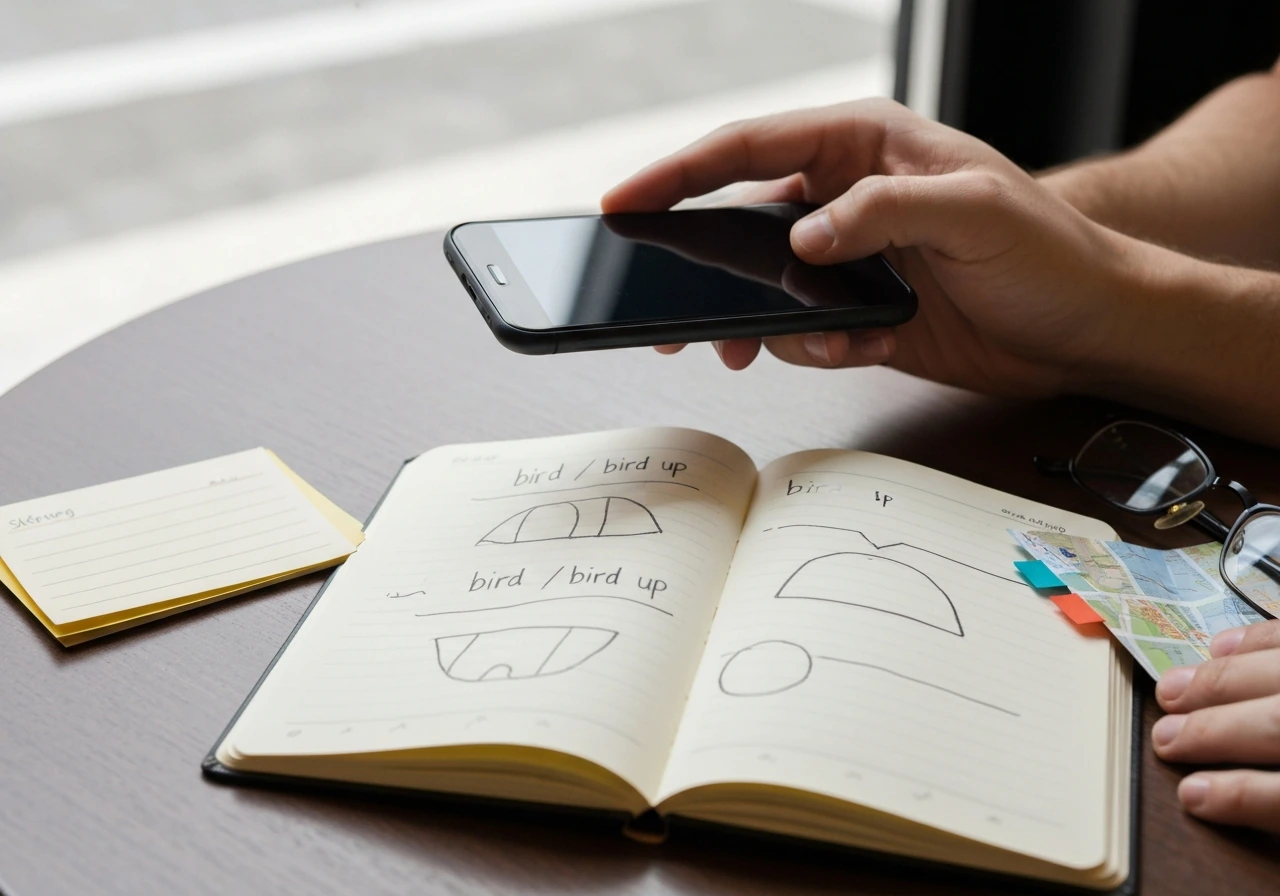
"Bird lady" most commonly means a woman who is deeply into birds, usually through feeding, caring for, or advocating for them. If you're specifically wondering about bird woman meaning in a romantic, spiritual, or archetype sense, it often overlaps with how people use bird-woman symbolism more broadly. That's the short answer. But depending on where you heard or saw the phrase, it could also be a teasing nickname, a cultural archetype rooted in folklore, a spiritual symbol in a dream, or a genuine title of respect. The meaning shifts a lot based on context, so the practical goal here is to help you figure out which version you're dealing with. That’s the short answer. But depending on where you heard or saw the phrase, it could also be a teasing nickname, a cultural archetype rooted in folklore, a spiritual symbol in a dream, or a genuine title of respect. The meaning shifts a lot based on context, so the practical goal here is to help you figure out which version you're dealing with. bird meaning slang. Bird meaning slang is often used as a shorthand for playful, teasing, or affectionate labels that depend heavily on context. bird woman meaning
Bird Lady Meaning: How to Interpret the Phrase Today

What "bird lady" usually means
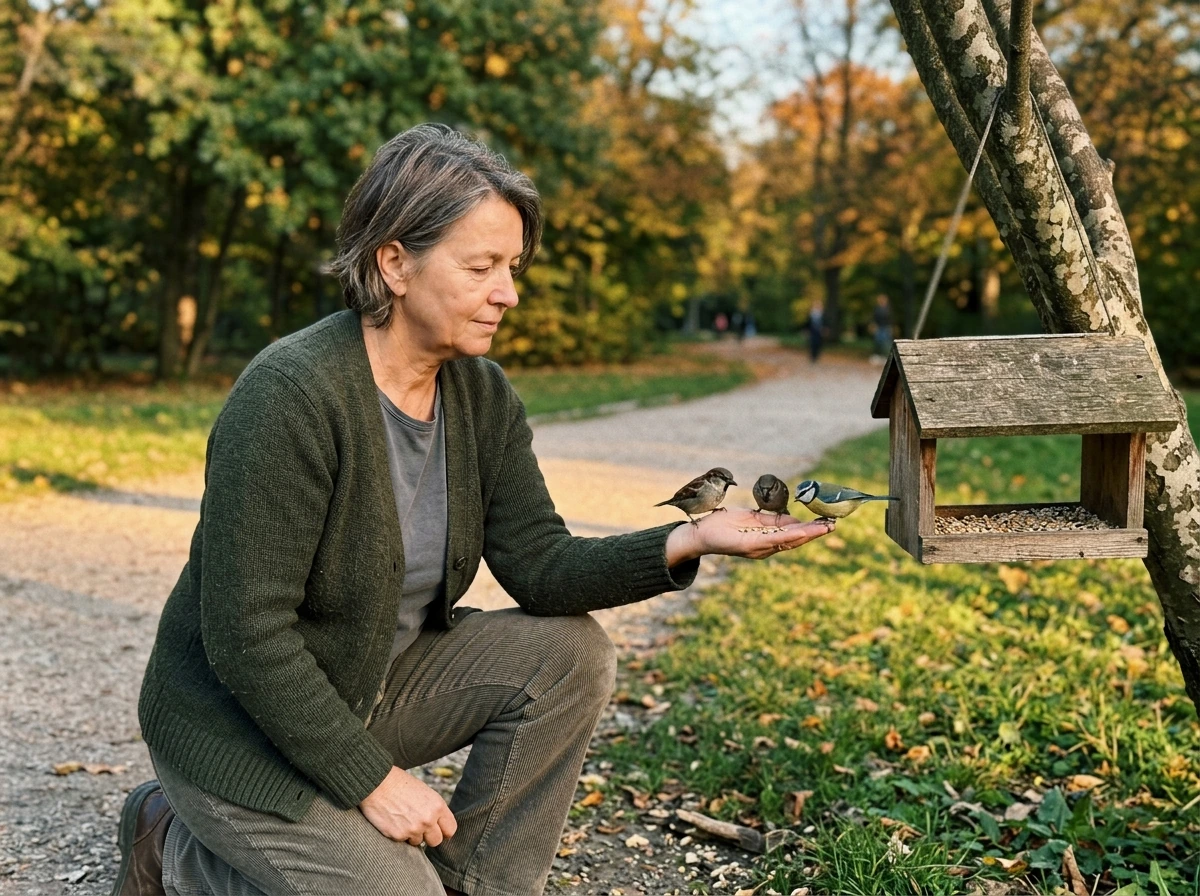
At the most literal level, "bird lady" describes a woman who is known for her relationship with birds. That might mean she feeds them in a park every morning, rehabilitates injured wild birds, keeps a backyard feeder, or spends weekends birdwatching. It's a label that shows up in everyday conversation, community profiles, and even local press coverage. A real example: Kay "The Bird Lady" Kavanagh was described in community media as someone who simply "prefers chirping to chatter." Another example is wildlife rehabilitator founders who earned the title "the Bird Lady" by rescuing and nursing wild birds back to health.
In historical and biographical contexts, "bird lady" has also been a genuine honorific. Gene Stratton-Porter, the naturalist and author, was known as "The Bird Lady" (and "The Lady of the Limberlost"). Gladys Mgudlandlu, the South African artist, was called "the bird lady" because of her love of birds. Adelaide Lowry Pollock was nicknamed "Seattle's Bird Lady" in the press for spreading what her contemporaries called "the gospel of birds." In those cases, the label carried real respect.
Colloquially, "bird lady" can drift into stereotype territory. You might hear "crazy bird lady" used the same way people say "crazy cat lady," meaning someone who is overly, perhaps eccentrically, devoted to birds. It's often used with a mix of humor and mild condescension. One widely circulated news story about a woman who wore a special dress to feed hummingbirds ran under the headline "Crazy bird lady" and framed the behavior as charming but unusual. Whether that framing reads as affectionate or dismissive depends heavily on who's saying it.
How to figure out which meaning fits your situation
Context is everything with this phrase, if you’re trying to pin down the bird mom meaning, start by asking where you encountered it.
| Where you saw/heard it | Most likely meaning | Tone to expect |
|---|---|---|
| Social media post or comment | Nickname or lighthearted label for bird-loving behavior | Usually playful, sometimes teasing |
| Someone describing a neighbor or local figure | Literal: woman known for feeding or caring for birds | Neutral to affectionate |
| A dream you had | Symbolic archetype: transformation, intuition, freedom | Spiritual or psychological |
| Community news or biography | Honorific or earned nickname | Respectful, celebratory |
| Said to you with an eye-roll or sarcasm | Stereotype: overly bird-obsessed, slightly eccentric | Teasing to mildly insulting |
| Folklore, mythology, or cultural story | Supernatural figure: part-woman, part-bird archetype | Symbolic, cultural |
On social media especially, context clues matter. If someone posted a video of a woman surrounded by pigeons in a park and the caption says "bird lady," it's almost certainly affectionate or funny. If someone tagged you in something after you mentioned buying a third bird feeder, it's a teasing nickname. If you're reading it in a dream journal entry or a spiritual forum, the conversation shifts to symbolism and archetypes entirely.
The symbolism behind "bird lady"
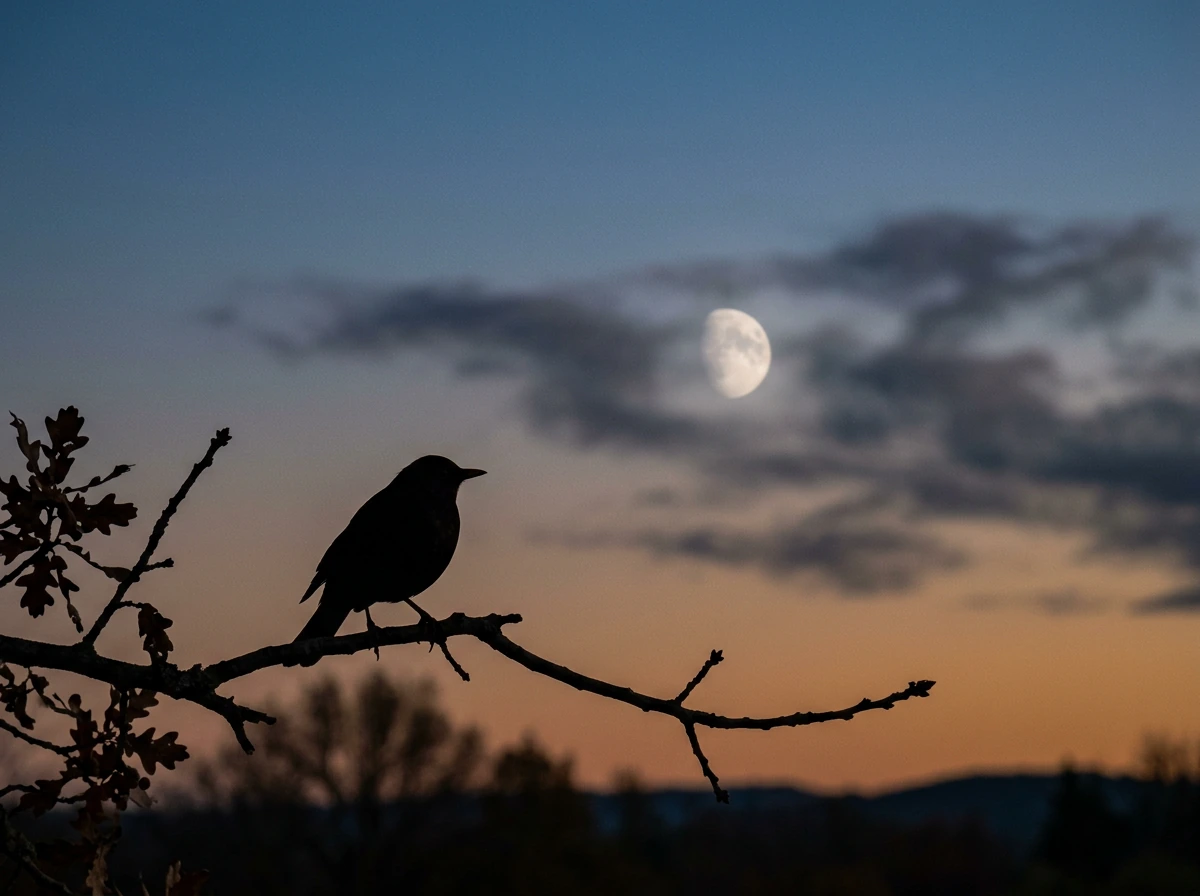
When "bird lady" shows up in cultural or spiritual conversations, it draws from a long tradition of bird-woman archetypes across many cultures. The most well-known is the swan maiden motif, found across Eurasian and Arctic folklore: a woman who can shift between human and bird form, usually by means of a feather cloak or garment. Related to this is the Goose Wife figure in Inuit tradition, where bird-women appear in human form and the story turns on the theft of their feather garments. Both archetypes tie the "bird woman" figure to themes of freedom, transformation, and the tension between the earthly and the transcendent.
In Māori mythology, Kurangaituku is described as a supernatural part-woman, part-bird figure with a nurturing and creative nature who provided refuge for birds and other creatures. In Buddhist Southeast Asian tradition, the kinnari is a half-bird, half-woman being associated with grace, song, poetry, and feminine beauty. These are not fringe interpretations; they're documented mythological figures with specific cultural roots. When someone references a "bird lady" in a spiritual or folklore context, they're usually drawing (consciously or not) from this broad symbolic tradition.
The core symbolic themes that cluster around birds in general, and the "bird lady" archetype in particular, include freedom and transcendence, intuition and receiving messages, transformation between states or worlds, and nurturing or protective qualities. These themes show up consistently across cultures, though the specifics vary widely. What birds symbolize in one tradition may be quite different from another, so it's worth being careful about treating bird symbolism as universal.
If you dreamed about a bird lady
Here's something worth knowing upfront: there is no authoritative clinical or academic reference that defines "bird lady" as a named dream archetype. Most interpretations you'll find online, including in popular dream dictionaries, are drawing on Jungian-style symbolic thinking rather than empirical research. That doesn't make them useless, but it means you should treat them as a reflective tool rather than a fixed code. bird meaning. bird gang meaning
In Jungian and popular dream interpretation frameworks, birds broadly represent messages, spiritual freedom, and a bridge between conscious and unconscious experience. A "bird lady" figure in a dream might be read as a representation of intuition, freedom, or transformation, especially if she appears as a guide or a nurturing presence. But the more useful approach is to treat the figure as something your own mind constructed, and ask yourself some direct questions about it.
- Did the bird lady feel threatening, comforting, or neutral? Your emotional response in the dream usually tells you more than the symbol itself.
- Did she remind you of a real person? If so, your dream may be processing your feelings about that relationship rather than delivering a cosmic message.
- Were the birds in the dream healthy and free, or caged and distressed? That distinction shifts the symbolic weight considerably.
- Was she guiding you somewhere or simply present? A guide figure in dreams often represents something you already know but aren't listening to.
- Did you feel a connection to her, or were you an outsider watching? That can reflect how you feel about the qualities she represents.
If you keep encountering "bird lady" imagery or synchronicities in waking life (seeing the phrase repeatedly, noticing birds at significant moments), the practical approach is to treat it as an invitation to reflect rather than a prediction of events. What is happening in your life right now that connects to themes of freedom, communication, or transformation? That's usually where the useful insight lives.
Why someone becomes "the bird lady" in real life
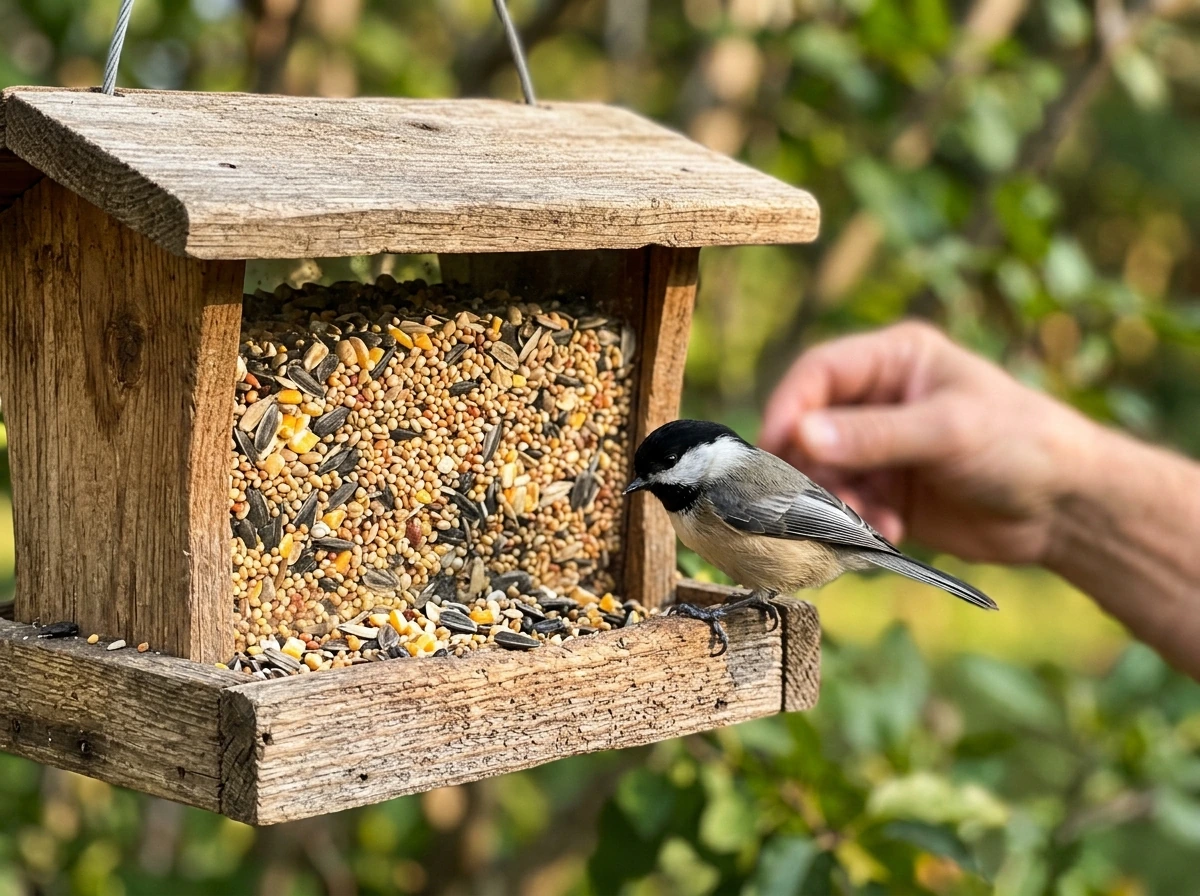
From a purely behavioral standpoint, the "bird lady" reputation develops through very ordinary and well-documented patterns. Feeding wild birds has been a common American practice for more than 100 years, according to the U.S. Fish and Wildlife Service, and it draws millions of participants annually. Programs like Cornell Lab of Ornithology's Project FeederWatch have turned backyard bird feeding into legitimate citizen science, with participants submitting observational data that contributes to real population research.
People become known as "the bird lady" when their bird-related activity becomes visible and consistent enough that their community associates them with it. The activity might be daily park feeding, backyard feeder maintenance, bird rehabilitation work, or conservation advocacy. Edith Munger, known as "the Bird Lady of Michigan," built her reputation through anti-hunting advocacy for songbirds and game birds. The wildlife center founder mentioned in several rehabilitation histories earned the title by spending years nursing injured wild birds. In each case, the nickname followed real, sustained behavior, not a single incident.
It's also worth noting that bird feeding isn't a purely romantic hobby. Wildlife agencies including the Vermont Fish and Wildlife Department provide guidance on feeder hygiene and disease prevention because poorly managed feeders can spread illness among bird populations. The people who take their bird lady reputation seriously tend to know this. They're not just scattering bread crumbs; they're managing the activity with some care and knowledge.
Is it an insult or a compliment? How to respond
Whether "bird lady" lands as a compliment or an insult depends almost entirely on delivery, relationship, and context. Used by a friend who knows you love your feeders, it's almost certainly affectionate. Used with a sneer or the modifier "crazy" attached, it's steering toward dismissiveness. The label occupies the same cultural space as "cat lady," where the surface meaning is neutral but the tone can tip either way.
If someone calls you "bird lady" and you're not sure how to take it, the simplest move is to ask directly: "Is that a compliment?" Most people, caught off guard by the question, will clarify quickly. If it was teasing, a light "I'll take it" or "Guilty as charged" deflects without escalating. If it was meant warmly, owning the label with confidence tends to reinforce the respectful version of the nickname. The women who've been called bird lady most memorably, like Gene Stratton-Porter or the wildlife rehabilitators mentioned earlier, leaned into it rather than away from it.
If the label bothers you in a professional or formal context, it's reasonable to redirect: "I prefer 'birding enthusiast'" or "I do wildlife rehabilitation" signals that you take the activity seriously without making the exchange awkward. The key is that you get to decide what the nickname means for you.
Quick fact-checks: what's real and what's myth
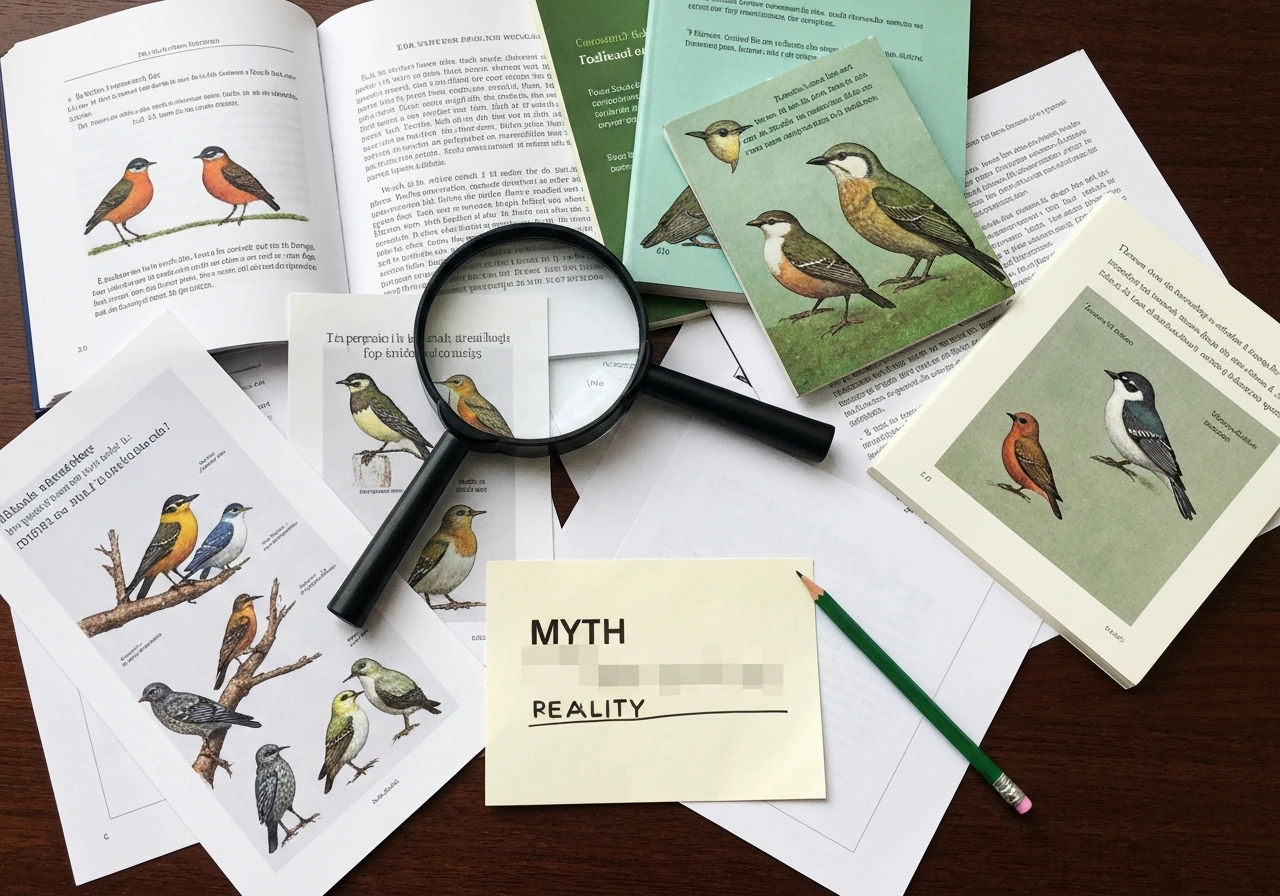
A lot of the content that comes up around bird symbolism and the "bird lady" concept mixes genuine cultural tradition with unverified claims. Here's a direct breakdown of what holds up and what doesn't.
| Claim | Reality check |
|---|---|
| Birds are always good omens | False. Folklore traditions are deeply mixed. Owls, for example, are associated with death or ill fortune in many Native American and other cultural traditions. "Birds always mean good news" is an oversimplification. |
| Bird-woman archetypes are a universal human motif | Broadly supported. Swan maidens, kinnaris, and part-bird female figures appear independently across Eurasian, Southeast Asian, Inuit, and Māori traditions, suggesting a widespread if not strictly universal pattern. |
| Dream analysis of a "bird lady" comes from clinical psychology | Not quite. Most dream interpretations of bird figures draw on Jungian-style symbolic frameworks or popular dream dictionaries, not peer-reviewed clinical research. Treat them as reflective tools. |
| Feeding birds is purely a spiritual or emotional practice | No. It's also a citizen-science activity with measurable ecological value, managed best practices from wildlife agencies, and documented disease-transmission risks if done carelessly. |
| "Bird lady" is a formal dream archetype with a fixed meaning | No established reference defines it as such. The term appears in personal dream forums and user reports, not in recognized symbolic reference works. |
| Ornithomancy (bird omens) is a verified predictive method | No. Ornithomancy is a documented ancient practice, but it is historical and folkloric, not evidence-based. It tells us about how past cultures thought, not about the future. |
The broader point here is that birds carry genuine symbolic weight across cultures, and that weight is worth taking seriously on its own terms. But there's a difference between understanding what a tradition says and treating that tradition as factual prediction or universal truth. The most useful approach to "bird lady" symbolism is to hold both lenses at once: respect the cultural story, and stay grounded in what's actually observable about birds and the people who love them.
If you're exploring related territory, the broader meanings behind bird symbolism in general, what bird imagery means specifically for women, or how birds show up in dreams are all threads worth following separately. Each one opens up its own set of cultural and interpretive layers that this single phrase only hints at.
FAQ
Is “bird lady” ever used as an insult, or is it always about liking birds?
It can be either. The base meaning is devotion to birds, but the tone decides whether it’s affectionate (community nickname, compliment) or dismissive (often paired with modifiers like “crazy,” or delivered with sarcasm). If you hear it in a workplace or public setting, it’s safest to treat it as tone-dependent until clarified.
How can I tell if “bird lady” is a real title versus just a stereotype?
Look for specificity and consistency. Genuine titles usually connect to a sustained role (rehabilitator, conservation advocate, regular feeder with community visibility). Pure stereotyping tends to be vague, based on one odd habit, or framed as “unusual” without any real contribution or care practices.
What should I do if someone calls me “bird lady” and I do not like it?
Redirect calmly and offer an alternative phrase. For example, “I prefer birding enthusiast,” “I do wildlife rehabilitation,” or “I’m more of a conservation volunteer.” This signals respect for the topic while setting a boundary on the label.
Can “bird lady” mean something negative about mental health, like “crazy cat lady” does?
Not necessarily, but it can borrow that cultural template. When people say “crazy bird lady,” the implication is usually “eccentric devotion,” not a clinical claim. Still, if the wording feels like bullying or harassment, treat it as an attitude problem, not a meaning problem, and address it directly.
If I saw “bird lady” in a dream, does it predict something that will happen?
Most interpretations are symbolic, not predictive. The more helpful approach is to treat the figure as your mind highlighting themes like intuition, freedom, or transformation. Focus on what was going on emotionally in the dream, and what you’re currently working through in waking life.
What dream details make the “bird lady” interpretation stronger or weaker?
Stronger clues include her acting as a guide, caregiver, or calm presence, and birds around her reflecting a message or shift. Weaker clues include random, disconnected imagery with no emotion attached. If the dream leaves you anxious or confused, consider it more about stress processing than a “spiritual sign.”
Is bird symbolism the same across cultures, or can “bird lady” mean different things depending on where it’s from?
Different traditions use birds for different themes, so meanings are not universal. If you encountered “bird lady” via folklore, social media, or a spiritual community tied to a specific region, ask where the symbolism is coming from or compare it to the original story rather than assuming one global definition.
How do I respond if “bird lady” is used in a joking caption that still feels personal?
A light, non-escalating response works well. Something like “Guilty as charged” if you want to play along, or “Is that a compliment?” if you’re unsure. The question forces a quick clarification without starting an argument.
What if the phrase appears in comments because I bought bird feeders, but I didn’t ask for attention?
That’s often how visible hobbies turn into nicknames. If you want less attention, you can limit sharing photos, avoid responding to every thread, or set privacy settings. If you want more community, redirect toward education by mentioning feeder hygiene or bird-safe practices.
Does “bird lady” imply responsible bird feeding, or could it just mean casual feeding?
In practice, the reputation can be either, but responsible birders often associate the “bird lady” identity with feeder maintenance and disease prevention. If you’re building the role and want to avoid the stereotype, emphasize clean feeders, appropriate food, and timing, since unmanaged feeders can harm wild birds.
Bird Meaning Slang: What The Bird and Bird Up Mean
Decode bird meaning slang: what the bird, bird up, and drug slang mean, plus how to verify Urban Dictionary and UK usage