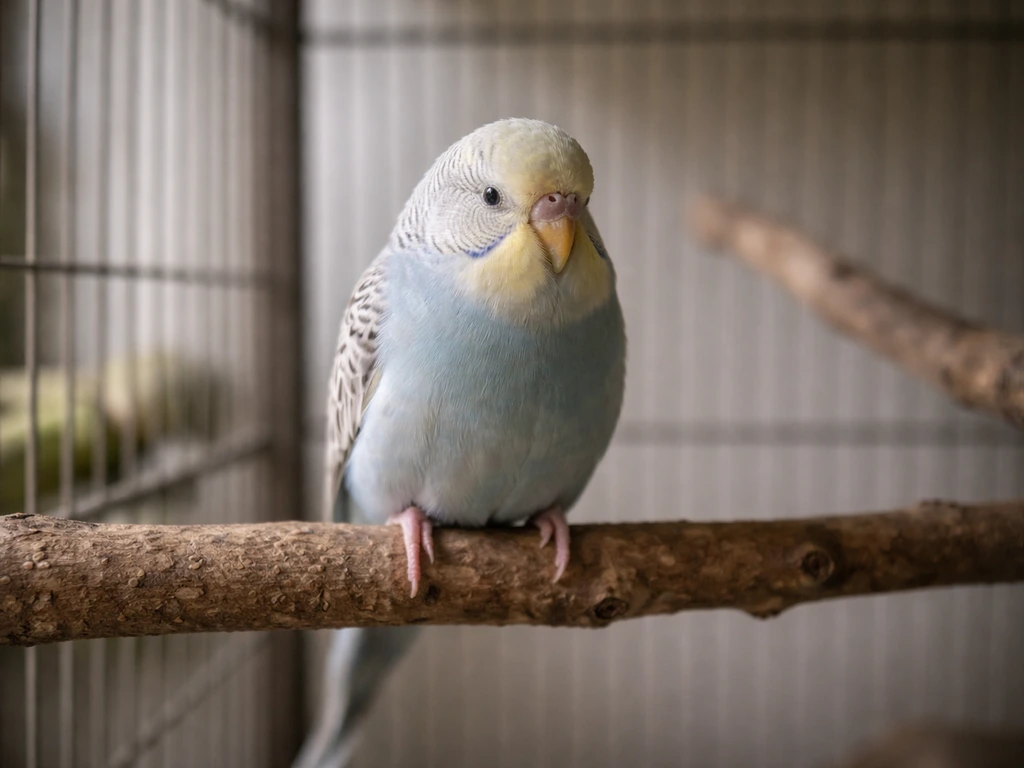
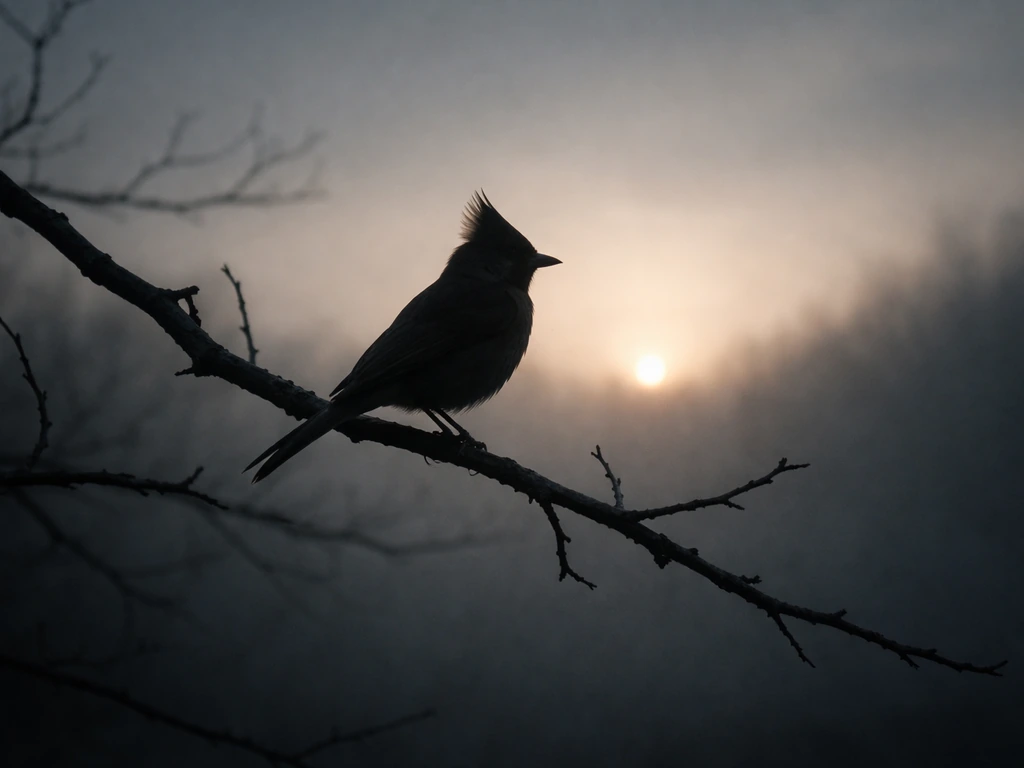
A bird crest is a tuft or arrangement of feathers on the top of a bird's head that can be raised or lowered depending on what the bird is doing or feeling. Whether you're trying to figure out what it means that a bird raised its crest at you, decoding a crest symbol in a dream or cultural context, or just trying to identify the bird you saw, the answer depends on one key question: are you asking about real bird behavior, or are you asking about symbolic and spiritual meaning? Both are valid, but they point in completely different directions, and this guide covers both.
Bird Crest Meaning: What a Crest Signals and Why

Marcus Holloway
4 May 2026
What a bird crest actually is
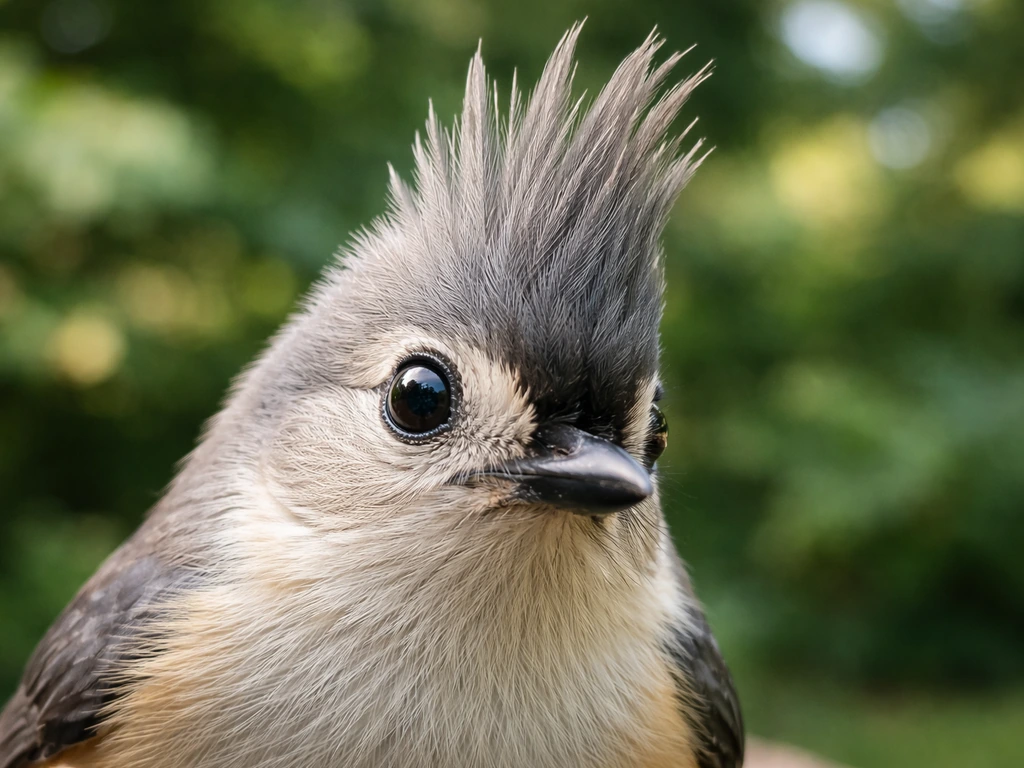
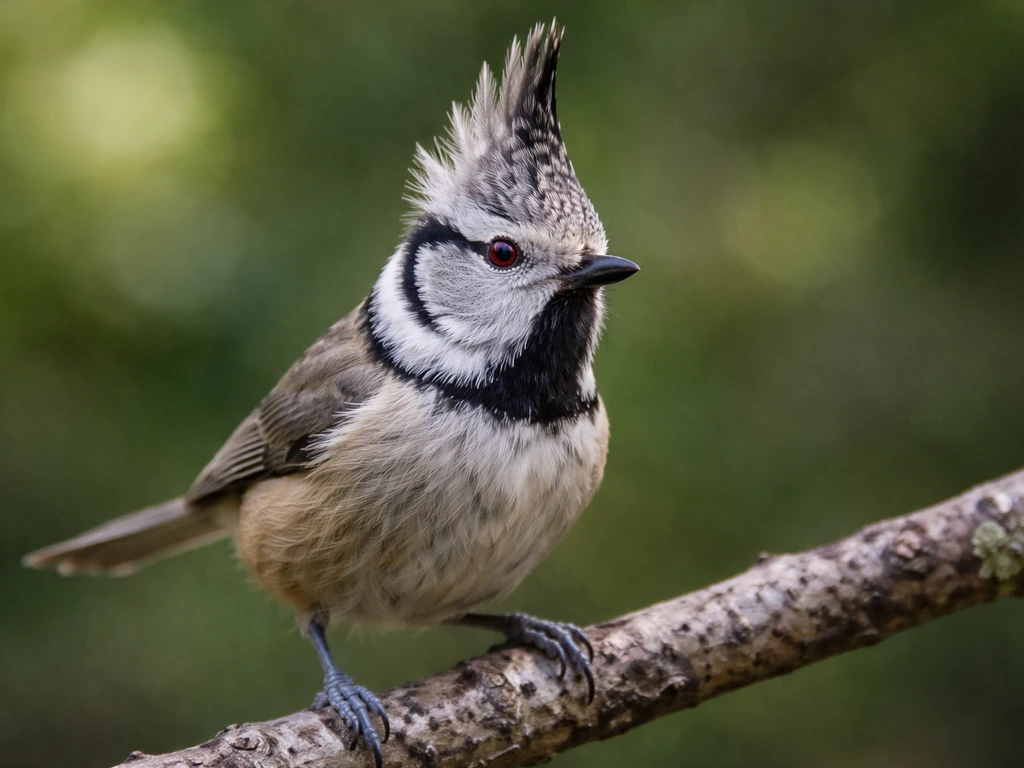
In plain ornithological terms, a crest is a cluster of feathers, often called semiplumes, that sits on the crown of a bird's head and can be raised or flattened depending on the bird's state. It's not decorative in the passive sense. The crest is a movable structure, controlled by muscles, and it functions as a live communication tool. When a blue jay is aggressive or excited, its blue crest shoots up fully.
When a cockatoo lands after flying, or becomes aroused or alert, the crest fans out in that dramatic spray shape. Waxwings raise their crests nearly vertical during courtship. A crested lark's crest becomes more pronounced when it's singing or defending territory. The crest lying flat versus standing upright is the difference between a calm bird and one that's very much switched on.
So if someone asks what a bird crest means, the first thing to sort out is: did you see it raised or flat? And what was the bird doing at the time? That context changes everything, whether you're reading behavior or symbolism.
Cultural and mythological symbolism of bird crests
Across many cultures, a bird's crest became a visual shorthand for elevated status, authority, and attentiveness. In heraldic traditions, crested birds appearing on coats of arms were not chosen randomly. The crane, for example, earned its place in heraldry through an old story: it was said to stand watch at night holding a stone in its claw, so that if it fell asleep, the stone would drop and wake it. That made the crane an emblem of vigilance and guardianship, and crested birds in arms descriptions carried similar weight. A cock's crest in heraldic imagery signaled alertness, courage, and rank.
The raised feather crown has also long been associated with royalty and divine authority in cultures from ancient Egypt to the Mesoamerican world. The visual logic is straightforward: something elevated on the head suggests high standing. In religious art across Abrahamic traditions, bird-like features such as wings and feathered imagery frequently mark divine or angelic beings, reinforcing the idea that bird features signal a being of elevated nature. A visible crest, something that literally rises above the head, fits naturally into that symbolic grammar.
In heraldry specifically, a "crest" is also the term for the element sitting above the helmet in a coat of arms, often depicted as a bird or bird part. That's a separate but related usage worth knowing, because if you're researching a family crest or emblem and you encountered the word, it may refer to that heraldic structure rather than the feathers on a live bird's head.
Spiritual and occult associations, plus what folklore usually claims
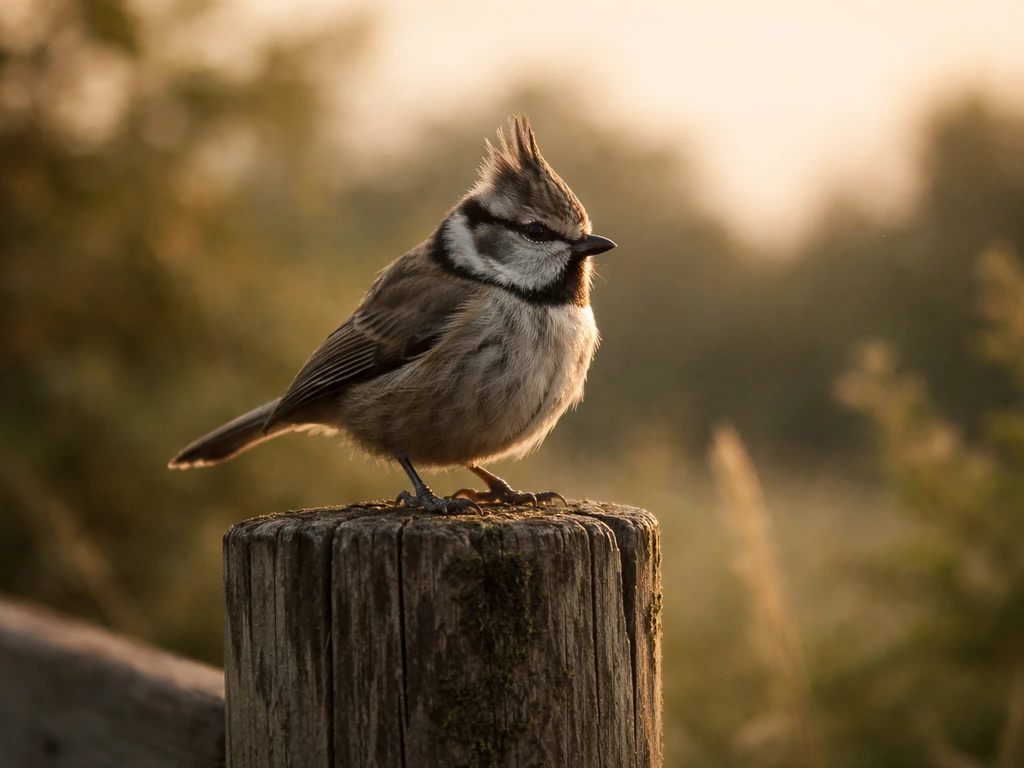
Modern spiritual traditions, particularly those that engage with angelic signs and nature omens, often treat any prominent feather feature, including crests, as a marker of divine communication or protective presence. Online spiritual communities commonly claim that encountering a feathered bird, especially one that displays prominently, can be a sign of angelic guidance or a message from a deceased loved one. Finding a feather in an unusual place gets framed the same way.
It's worth being clear about what these claims are and aren't. They are sincere personal-practice beliefs and community folklore. They are not documented ethnographic records or scientifically tested claims. I include them here because if you're searching "bird crest meaning" from a spiritual angle, you deserve an honest account of what the tradition actually says versus what can be verified. Many people ask about bird crest meaning in a spiritual context, but the traditions vary widely and are best understood as folklore rather than tested evidence.
That said, the symbolic thread running through most of these traditions is consistent: a bird crest, particularly a raised one, is associated with heightened awareness, spiritual alertness, and messages that demand attention. The raised crest as a symbol of "pay attention right now" maps surprisingly neatly onto both behavioral fact and folk tradition. Peacock feathers in various cultures carry superstitions of good or bad luck depending on region, and the elaborate eye-like patterning on those crests and tail feathers has fed centuries of folk interpretation around watchfulness and supernatural sight.
What a raised or lowered crest means in real bird behavior
This is where the science is clear and specific. A bird's crest is a real-time emotional readout. Researchers and ornithologists consistently describe crest position as a behavioral signal tied to arousal state, whether that's excitement, aggression, courtship, or alarm. A crest-language guide for cockatiels explains that up, flat, and relaxed crest positions line up with different emotional and behavioral states, including interest, fear, and aggression or overstimulation, with context playing a key role. Here's how it typically breaks down by context:
| Crest Position | Likely Behavioral Context | Example Species |
|---|---|---|
| Fully raised, erect | Aggression, threat display, or high excitement | Blue jay, cockatoo, cedar waxwing |
| Raised nearly vertical | Active courtship display | Waxwing, common firecrest, crested lark |
| Raised on landing | Arousal from flight transition | Cockatoo |
| Partially raised during singing | Territorial or mate-attraction behavior | Crested lark |
| Flat/recumbent | Calm, resting, or non-threatened state | Most crested species at rest |
One important behavioral detail: crests can help birds appear larger without any physical confrontation. Raising the crest makes the bird's head look bigger, which can settle a dominance dispute or deter a rival without a fight. Waxwings in particular use this mechanism to communicate social dominance and resolve conflicts peacefully. So a bird with a raised crest isn't always in danger or being aggressive toward you specifically. It may be communicating with another bird nearby, responding to a perceived threat in the environment, or simply landing after a flight.
The common firecrest male takes this a step further during breeding season: it raises the crest and points its bill directly at a rival while displaying its face pattern. When excited, the male flamecrest erects its crest. That's a highly specific ritual with a clear territorial message. Context, species, and what the bird was doing with its body alongside the crest all matter.
Dream and omen interpretations involving a bird crest
Dream interpretation as a formal tradition goes back at least to the 2nd century AD, when Artemidorus Daldianus wrote the Oneirocritica, the only complete dream-book surviving from Greco-Roman antiquity. An Oxford University Press Australia description of Artemidorus’ Oneirocritica calls it a major surviving pre-Freudian account and the only dream-book to survive complete from Greco-Roman times Artemidorus Daldianus wrote the Oneirocritica. That tradition framed dream imagery as symbolic and context-dependent, not fixed in universal meaning. Modern dream dictionaries follow the same logic: birds in dreams vary widely in meaning based on species, color, and action, and interpreters consistently say you need to consider the full scene, not just a single element.
For a crested bird specifically, most dream interpretation frameworks would read the crest as an amplifier of the bird's core symbolism. A crested bird with its plumes raised in a dream tends to be interpreted as a signal of heightened importance: a message demanding attention, a sign of authority or power, or an indication that something in your waking life needs a more alert, watchful response. Some archetype-based interpreters tie feathers and plumes in dreams to themes of liberation, aspiration, and elevation above the ordinary.
As an omen in waking life, encountering a crested bird with its plumes raised is often read in folk traditions as a sign to pay close attention to something happening around you. A bird displaying toward you, or appearing unusually prominent and unafraid, is frequently cited in omen traditions as carrying a message. Again, these are interpretive frameworks rooted in folk tradition, not empirical findings, but they have genuine cultural depth and deserve honest engagement.
Slang, superstition, and everyday uses of bird crest imagery
"Bird crest" doesn't have a strong standalone slang tradition the way some bird terms do (think "crow about something" or being "chicken"). However, crest imagery in general carries a well-worn metaphorical meaning in English: to be "at the crest" of something means to be at the peak or high point, and that comes directly from the visual of a raised plume at the top. The phrase "riding the crest of a wave" borrows from exactly the same idea, elevation, visibility, and being at the high point of something.
In heraldic superstition, a family's crest was thought to carry protective power and reflect the character of the bloodline. Birds chosen as crests were meant to embody virtues the family aspired to. A crested eagle meant imperial ambition. A crested cock meant courage and vigilance. These associations filtered into everyday beliefs about family identity and fate.
Regionally, peacock crest feathers carry active superstitions in several traditions, with some cultures treating them as good luck charms and others as deeply unlucky inside the home, specifically because the eye-like markings are connected to the "evil eye" in some European folk beliefs. So the specific bird behind the crest matters a great deal in superstition, just as it does in behavior.
How to figure out what the specific crest you saw actually means

The most useful thing you can do is narrow down the species and the context before reaching for an interpretation. Vague interpretations come from vague observations. Here's a practical approach:
- Identify the bird's size and shape. Was it small like a waxwing or firecrest, medium like a blue jay, or large like a cockatoo or great blue heron? Size immediately rules out most species.
- Note the crest shape and color. Was it a single pointed spike, a fan-shaped spray, a rounded tuft, or a flat swept-back plume? Color helps too: Steller's jays have a black crest with blue body; blue jays have a blue crest; cockatoos often have white or yellow.
- Was the crest raised or flat? A raised crest means heightened arousal. A flat crest means the bird is calm or not in display mode.
- What was the bird doing? Singing, landing, facing off with another bird, or just sitting? Each behavior points to a different explanation for the raised crest.
- Where did you see it? Geographic location narrows species dramatically. Crested larks are common across Europe and Asia. Steller's jays are western North American. Cockatoos are Australian unless you're near captive populations.
- Use a field guide or a tool like Cornell Lab's All About Birds, which explicitly recommends using multiple field marks simultaneously: size, shape, color pattern, behavior, and habitat. Don't rely on the crest alone to make an ID.
- Once you have a species, look up that species' specific symbolic or cultural associations if you want the folklore angle. The meaning of a raised jay crest in Native American traditions is different from the meaning assigned to a cockatoo in Australian Aboriginal traditions.
If you saw a bird in a dream or as part of a visual motif, such as a bird in a painting, logo, drawing, or silhouette, the identification process shifts. In those cases you're reading iconography rather than behavior, and the relevant question is which tradition produced the image and what symbolic vocabulary it was drawing from, including bird painting meaning as a related angle.
If your image is a top-view bird drawing, the crest placement and shape can help you interpret what the artist intended to show bird drawing top view. A bird drawing meaning can follow the same idea: the way the crest is shown and the context of the image often signal whether you're meant to read behavior, symbolism, or both bird in a painting, logo, drawing, or silhouette.
In particular, a bird silhouette can carry a different symbolic weight depending on the style and context in which it appears. In those cases you're reading iconography rather than behavior, and the relevant question is which tradition produced the image and what symbolic vocabulary it was drawing from. A crested bird in a medieval European coat of arms reads differently than a crested bird in an Aztec mural or a modern brand logo.
The short version: raised crest plus active behavior equals behavioral signal you can read scientifically. Crested bird in a dream or as a symbol equals cultural or spiritual interpretation, and you need to know the tradition behind it to get a meaningful answer. For a bird logo, the meaning usually comes from how the symbol is styled and what cultural or brand associations it borrows, not from live bird behavior. Start with what you actually saw, and the right interpretive frame usually becomes obvious from there. If you came here looking for bird shadow meaning, the same idea applies: the context and what the figure is doing shape the interpretation bird crest meaning.
FAQ
If I saw a bird crest raised while it was near my home, does that mean it’s aggressive toward me?
Not necessarily. A raised crest often signals alertness or heightened arousal, but the bird may be displaying to another bird, reacting to a nearby disturbance, or communicating during territorial or landing behavior. Look for additional cues like body angle, tail position, and whether the bird is moving toward you or away.
What should I check first to interpret a raised crest correctly, the bird’s posture or the crest height?
Both matter, but crest height alone is not enough. The most useful check is whether the crest is raised while the bird is also facing you (or another bird), calling, hopping forward, or pointing its bill. Those combined actions usually distinguish defense or courtship from simple alertness.
Can a crest be lowered but the bird still be stressed or threatened?
Yes. A flat crest generally suggests a calmer state, but stress can show up through other body signals such as tense footing, rapid head turns, frequent pauses before moving, flattened wings, or continuing mobbing behavior. If the crest is flat but the rest of the posture is tense, don’t treat the situation as “safe.”
How do I tell whether I’m interpreting a crest on a real bird versus a symbol in art or a logo?
Use the source and medium. If you observed live behavior, interpret through context like time of day, mating season, and proximity to other birds. If it’s in a drawing, painting, silhouette, or brand, treat it as iconography, where the crest may stand for status or vigilance regardless of what a real species would do.
Does the meaning change if the bird is calling or displaying during the crest raise?
Yes. Crest displays paired with calling, rhythmic head bobbing, chasing, or bill pointing typically indicate a specific communication goal, such as territorial defense or courtship. A crest raised without sound or movement is more likely general alertness.
What’s the difference between “a bird’s crest” and “a crest” in heraldry or a family emblem?
They’re related only by the word. In heraldry, a crest is an element placed above the helmet on a coat of arms, often depicted as a bird or bird part, and it represents lineage or values rather than live behavior. The feather tuft on a bird’s head is a behavioral structure controlled by muscle.
In dream interpretations, does “raised crest” always mean the same thing?
No. Dream symbolism is typically context-dependent, so the same image can shift meaning based on the bird’s species, color, your emotions in the dream, and what happens before and after the crest is shown. Treat it as a theme amplifier, not a fixed one-to-one message.
Are spiritual or omen interpretations reliable in a factual sense?
They are personal-practice beliefs and folklore, not documented or consistently testable evidence. If you use them, it helps to combine them with practical observation, for example, noticing what else is happening when the bird appears (nearby nests, other birds, or a sudden disturbance).
How can I avoid the biggest mistake people make when searching “bird crest meaning”?
They jump to interpretation without narrowing what they saw. Species, whether the crest is raised or flat, and the bird’s behavior at the moment are the key filters. Without those, most “meaning” claims become overly vague or interchangeable.
If I’m unsure what bird I saw, is it still possible to interpret the crest correctly?
You can get partway there. Crest position still tells you something about arousal, but species-level tendencies often change the likely reason (courtship, defense, alarm, post-landing display). When species is unknown, interpret cautiously and focus on situational clues like season, location, and interactions with other birds.
Does a crested bird always have a visible crest in every moment?
Many birds can raise or lower their crest, but visibility can vary with distance, lighting, and angle. If you can only see a partially raised or obscured crest, interpret the overall behavior instead of assuming the crest state was fully confirmed.
Next Article
Bird Blindness Meaning: Causes, Signs, and What to Do Now
Bird blindness meaning: spot signs, tell vision loss from other issues, and take safe action or get urgent vet care.