When someone searches "bird beaks meaning," they are almost never asking just one thing. Most of the time, they are trying to figure out one of four things: what a beak does biologically, what it symbolizes spiritually or culturally, what it signals when a bird is behaving in a beak-forward way around them, or what people mean when they use "beak" as slang. This guide walks through all four, helps you pin down which one you actually need, and gives you a clear path to the right answer.
Bird Beaks Meaning: Literal, Symbolic, Spiritual, Slang

Marcus Holloway
10 Apr 2026
Quick meaning check: literal beak function vs symbolic "beak" meaning
The fastest way to figure out which meaning applies to your situation is to ask yourself a simple question: did you see a real bird, read something, hear a slang term, or have a dream? Each context points to a completely different interpretation track. If you watched a bird use its beak in an unusual way, you want the behavioral or biological track. If someone called you a "beak" or you saw the phrase on social media, you want the slang track. If you are trying to understand a spiritual or dream experience, you want the symbolism track. Here is the shortcut breakdown:
- Real bird you observed: start with biology and behavior
- Dream or vision involving a beak: start with symbolism and spiritual meaning
- Someone used it as a word/phrase in conversation or online: start with slang
- You are just curious about what beaks are: start with beak basics
The confusion happens because "beak" lives in several very different worlds at once. A quick scan of where you first encountered the term will save you a lot of wasted searching.
Beak basics: what bird beaks do and why shape matters
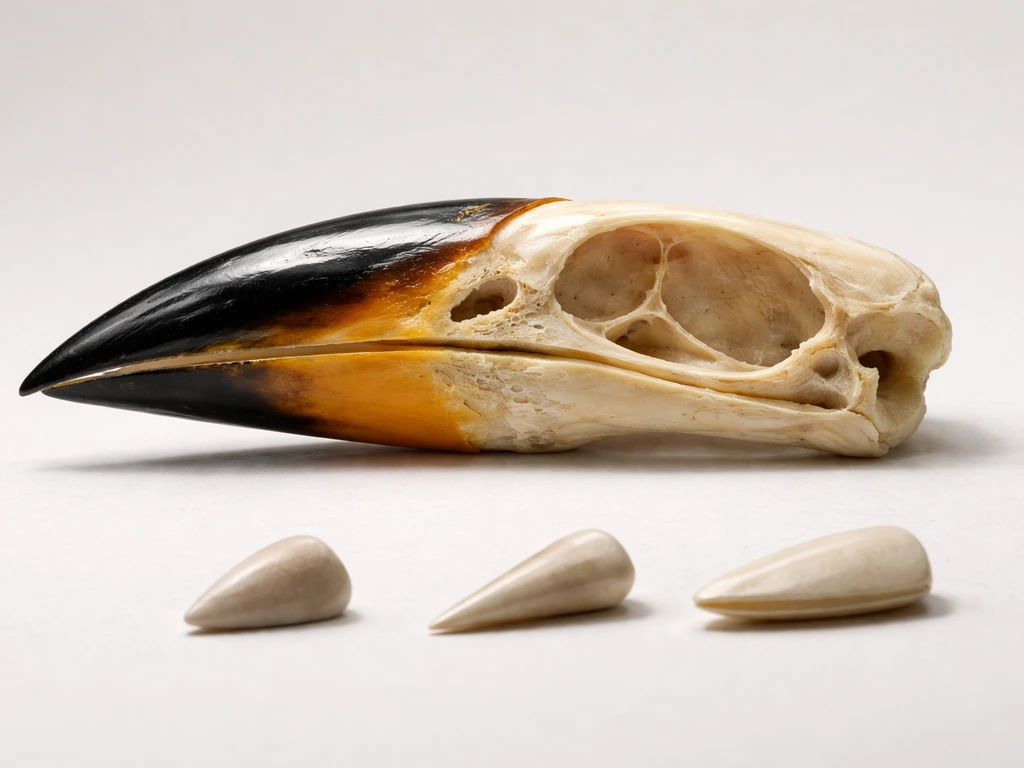
Biologically, a bird's beak is a lightweight bony elongation of the skull, sheathed in a layer of keratin. It has no teeth. What it lacks in dental hardware, it makes up for in specialized shape. According to Cornell Lab of Ornithology, beaks come in many different sizes and shapes according to their specialized function, and once you know the shape, you can decode the bird's diet and lifestyle pretty reliably.
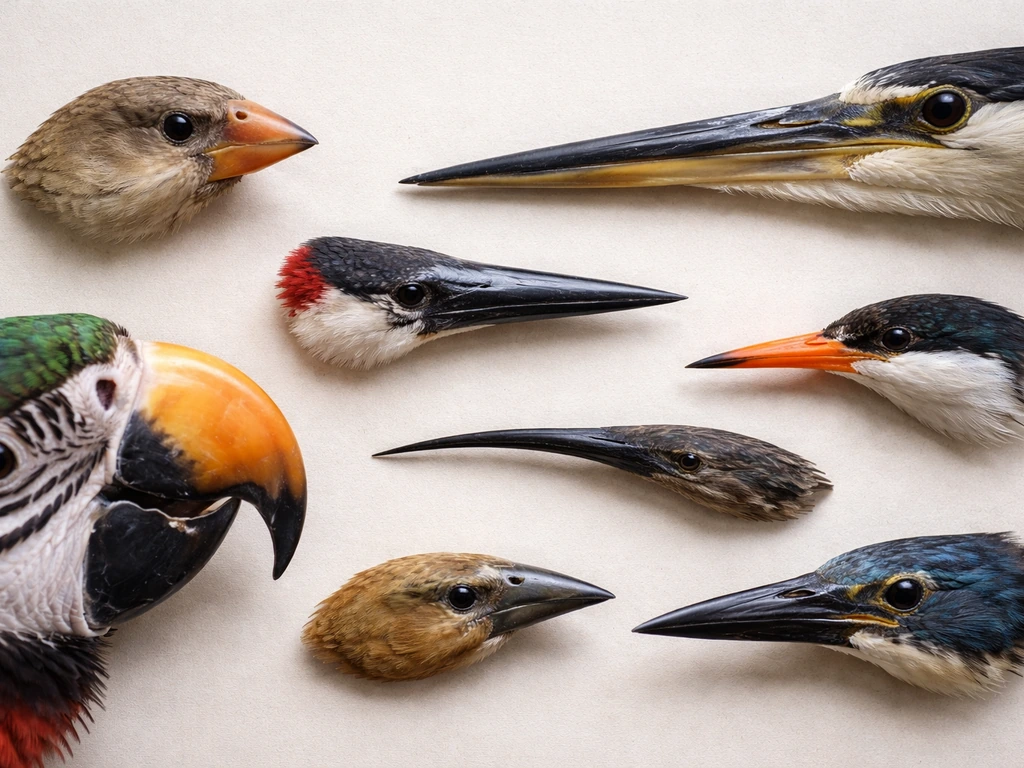
Think of beak shape as a tool kit clue. A short, thick, conical beak like the one on a Northern Cardinal or an American Goldfinch is built for cracking seeds. A long, slender beak is built for probing bark or mud. Ducks and flamingos have comb-like edges on their bills that act as filters, straining food from water. Hawks and owls carry hooked beaks designed for tearing meat. Hummingbirds have tube-shaped beaks matched almost perfectly to the flowers they feed on. The NPS "Bird Beak Buffet" educational framework uses exactly this logic: match the shape to the food, and you understand the bird.
Why does this matter for interpretation? Because if you are trying to identify a bird you saw, or understand why it was behaving a certain way, the beak shape is one of the fastest identification clues available. It is also relevant if you are reading symbolic or spiritual content about birds, since many traditions connect the energy or meaning of a bird directly to what it eats and how it hunts. A hawk's hooked beak carries different symbolic weight than a dove's gentle, rounded one.
| Beak shape | Typical bird | What it is built for | Common symbolic link |
|---|---|---|---|
| Short, thick, conical | Cardinal, Goldfinch | Cracking seeds | Resourcefulness, abundance |
| Long, curved (hooked) | Hawk, Eagle, Owl | Tearing prey | Power, vision, predatory instinct |
| Long, slender, straight | Hummingbird, Warbler | Probing flowers or bark | Precision, persistence, hidden gifts |
| Flat, wide, filter-edged | Duck, Flamingo | Straining water for food | Discernment, patience, finding truth |
| Chisel-shaped | Woodpecker | Drilling wood | Determination, uncovering secrets |
Symbolic & spiritual interpretations of bird beaks
In spiritual and symbolic traditions, the beak is treated as the bird's instrument of action and communication. Where wings represent freedom or transcendence, the beak represents how the bird interacts with the material world. It speaks, feeds, builds, defends, and signals. In dream language and folk symbolism, a prominent beak often points to themes of communication, assertiveness, resourcefulness, or even aggression, depending on context.
In many Indigenous North American traditions, the specific beak of a bird carries the spirit of that bird's purpose. An eagle's beak in a vision or dream is associated with clarity, judgment, and the ability to see through deception. A raven's beak is often linked to intelligence, trickery, or carrying messages between worlds. In Celtic and Norse traditions, bird beaks appear in imagery tied to prophecy and transformation. The beak is where the word comes out, and in cultures that view birds as messengers, the beak becomes a symbol of divine speech.
In dream interpretation, a beak that is open often signals that you or someone in your life needs to speak up. A broken beak can represent a loss of voice, identity, or ability to nourish yourself. A very large or exaggerated beak in a dream is sometimes interpreted as a sign of someone being overly aggressive or intrusive. These are folk frameworks, not clinical diagnoses, but they are consistent across a lot of cultural traditions and are worth taking seriously as a starting point for personal reflection.
One place where beak symbolism gets applied in a very specific way is in gendered readings of bird imagery. There is a whole subset of cultural interpretation around what bird beaks mean when applied to women, often connecting beak shape to personality archetypes or social roles in folklore and art history. It is a niche but genuinely interesting lens if you are exploring symbolism at that depth.
Behavioral interpretation: what a beak-focused clue can mean when you see a bird
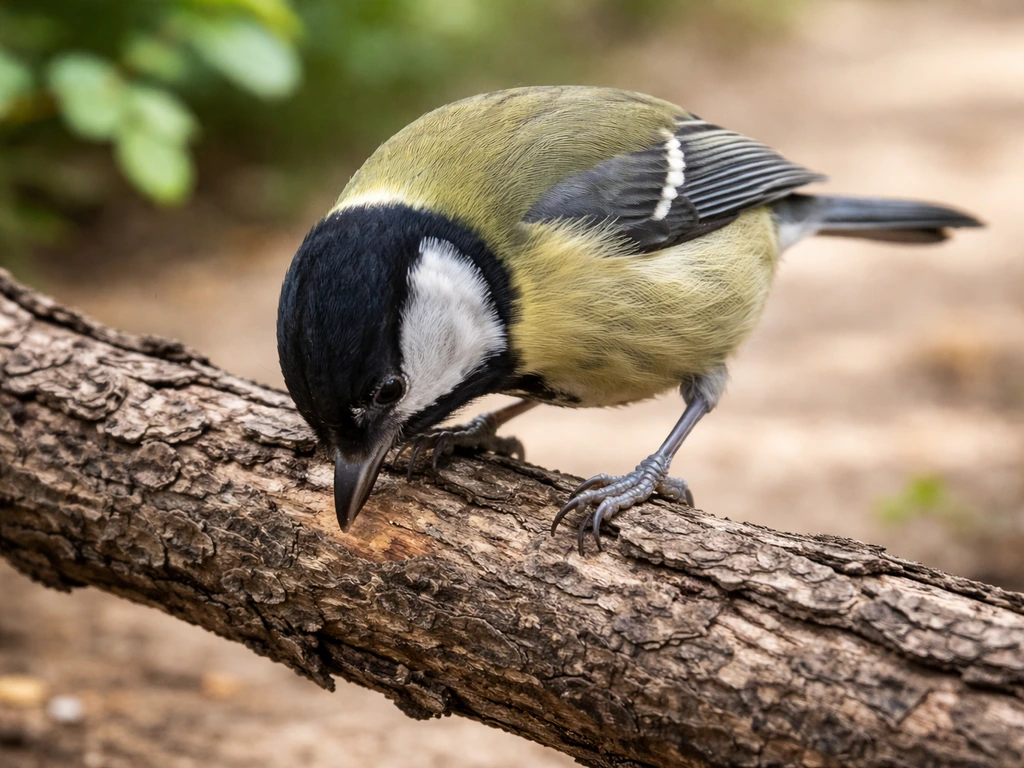
If a real bird showed up and the beak was what caught your attention, the behavior around the beak is the most useful signal. Birds communicate constantly through beak behavior, and once you know the key patterns, they are readable pretty fast.
- Bill wiping (dragging the beak across a branch or surface): normal grooming, not symbolic
- Beak clapping or snapping: a threat display, often paired with feather puffing
- Beak open wide, no vocalization: a sign of heat stress or respiratory distress in the bird
- Tapping or drumming on a surface: territory marking (classic woodpecker behavior) or exploration
- Beak-to-beak touching between two birds: courtship or bonding behavior, sometimes called allopreening
- Beak pointed directly at you while the bird is still: a warning or assessment signal
- Carrying food in the beak toward a nest: nesting season and parental behavior underway
A word that comes up a lot in this context is what happens when something goes wrong physically. If you notice a bird with an unusual beak shape or an apparent deformity, that is a separate issue from symbolism or behavior. Understanding what it means when a bird is missing its top beak is important for anyone who wants to help an injured bird or understand what they are actually observing. Spoiler: it is a medical issue, not a spiritual sign.
From a purely interpretive standpoint, if a bird directed its beak toward you repeatedly, held eye contact, and stayed close, that is genuinely unusual behavior worth noting. In spiritual frameworks, an unusual encounter like that is often treated as a message. In behavioral biology, it usually means the bird is habituated to humans, curious, or (in some species) testing you for food. Both readings can be true at once, and there is no rule that says you have to choose.
Slang/colloquial usage of "beak" and "bird beak(s)", what people usually mean
"Beak" has a rich life outside of ornithology. blank" rel="noopener noreferrer">In British slang, "beak" has been used for centuries to mean a magistrate or judge, likely originating from the idea of a judge presiding, or possibly from thieves' cant. It is also widely used as slang for a person's nose, especially a prominent one. Saying someone has a "beak" for a nose is informal but very common in British and Australian English. Cambridge Dictionary’s beak entry includes a “nose” meaning and notes a UK old-fashioned slang usage blank" rel="noopener noreferrer">a “beak” for a nose.
"Bird beak" as a combined phrase shows up in contemporary slang in ways that can be a bit harder to track. The phrase gets used to describe a facial feature (a pointed nose), a personality type (someone sharp, nosy, or prying), or even as an insult comparing a person's appearance to a bird. On social media, it has taken on newer and sometimes ironic uses. If you are trying to decode something you read online, the platform and community context matter a lot. The way bird beaks are referenced on TikTok can be very different from how the phrase appears in older slang dictionaries.
For the most direct slang reference check, the Urban Dictionary definition of bird beak tracks how the phrase is being used in informal digital culture, which is useful when you are trying to decode something you saw in a comment section or text message rather than a nature documentary.
There is also a completely unrelated technical use of the phrase: in tool terminology, "bird beak" refers to a specific type of pliers used in jewelry and metalwork. If you are in a crafting context, the definition of bird beak pliers is the entirely non-symbolic meaning you are looking for. It is a good reminder that context can flip the meaning of a phrase entirely.
Common misconceptions & myth-busting: what's accurate vs "made up"
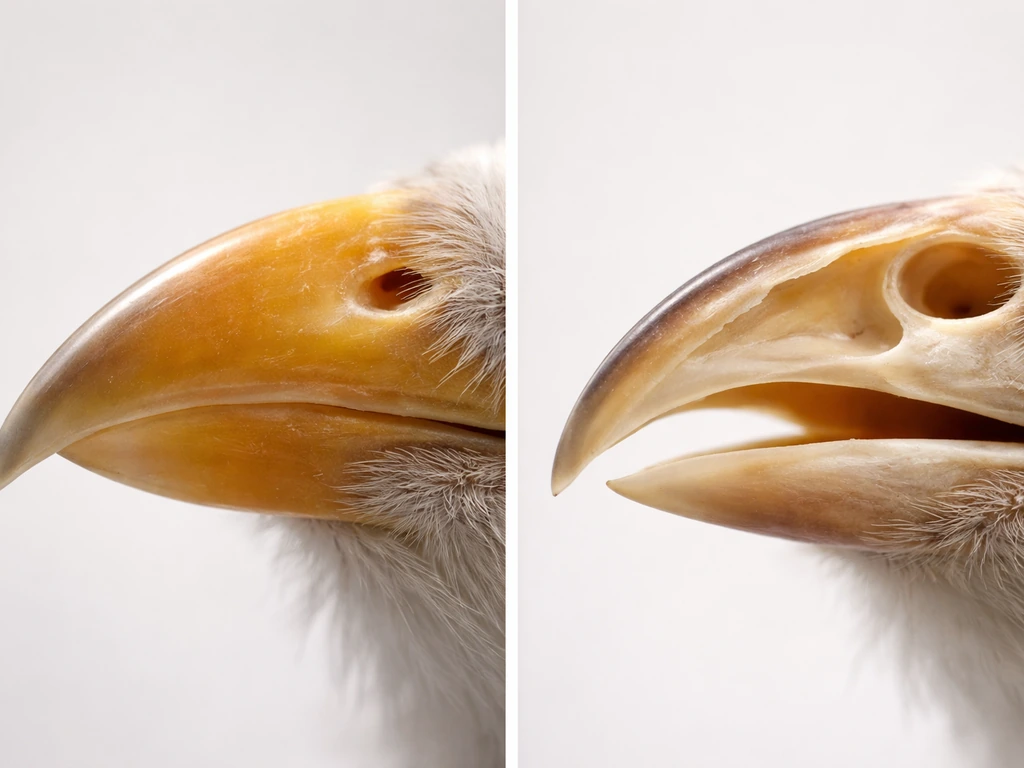
A few things circulate online about bird beaks that are worth correcting directly.
- "A bird's beak is made of bone." Partially true, but incomplete. The underlying structure is bony, but the visible exterior is made of keratin, the same protein that makes up your fingernails. The beak continues to grow throughout a bird's life.
- "All hooked beaks mean the bird is a predator." Not quite. Parrots have hooked beaks and are seed and fruit eaters. Beak shape reflects diet strategy, not predatory status alone.
- "A bird tapping its beak on your window is a death omen." This is a persistent superstition with no ornithological basis. Birds tap windows because they see their own reflection and interpret it as a rival. It is territorial behavior, not a message from the beyond.
- "You can tell a bird's age by its beak color." Sometimes, but not reliably across species. In some species like the American Robin, beak color does shift with age or season. In most species, it is not a reliable age indicator.
- "Spiritual meanings of birds are universal." They are not. A crow is a death omen in some Western traditions and a symbol of intelligence and good fortune in many Indigenous and East Asian ones. Always check the cultural origin of an interpretation before treating it as a general truth.
- "Bird beak symbolism in dreams always means the same thing." Dream symbolism is personal and contextual. A beak in your dream means something different if you are afraid of birds than if you love them. General frameworks are starting points, not definitive readings.
How to interpret in your situation: steps and context to get the right meaning
Here is a practical decision path you can run through whenever you encounter "bird beak(s) meaning" in any form. It takes about two minutes and will point you in the right direction almost every time.
- Identify your context first. Was it a real bird encounter, a dream, something you read online, or a slang term you heard? Each leads to a different interpretation track.
- If it was a real bird: note the beak shape and the behavior. Match the beak shape to the diet category (seed cracker, predator, filter feeder, prober). Then look at what the bird was doing with the beak. Was it feeding, displaying, calling, or pointing at you?
- If it was a dream or spiritual experience: focus on the bird species (if you can identify it) and then the beak's role in the dream. Was it open or closed, intact or damaged, being used on you or on something else? Each detail shifts the interpretation.
- If it was slang or a social media reference: check the platform and community. Slang evolves fast and regionally. What reads as an insult in one context is neutral or even affectionate in another.
- Check cultural origin before adopting a symbolic meaning. If a website says a beak means X, ask which tradition that comes from. Is it documented folklore, or did someone make it up for SEO?
- If you are still unsure, zoom out to the whole bird, not just the beak. The beak is one feature in a larger picture. The species, the setting, the bird's behavior toward you, and your own gut response all feed into an accurate interpretation.
- Apply the "if X, then likely Y" test: if the beak is the most visually prominent feature and the bird held your attention, the symbolism track is probably what you need. If the beak was unusual looking or damaged, the behavioral/medical track is the right call. If you heard or read the word in conversation, start with slang.
The bottom line is that "bird beaks meaning" is not a single question. It is a cluster of four completely different questions wearing the same search term. Once you know which one you are actually asking, the answer becomes straightforward. Use this guide as your sorting system, and you will spend a lot less time wading through content that is not answering what you actually want to know.
FAQ
If I saw a bird with a beak shape I cannot identify, how can I avoid guessing wrong about diet or symbolism?
Start with what the bird was actively doing (pecking seeds, probing ground, filtering water) and the beak opening shape (wide cracking, needle probing, straining comb). Then use those behaviors to narrow species, and only apply symbolism after you have a credible “what it eats” match, since many symbolic readings assume a specific hunting niche.
What does it mean when a bird repeatedly opens and closes its beak near me?
Repeated beak opening is often a communication or threat display, calling, begging, or courtship depending on species. To interpret safely, check whether the bird is backing away, puffing feathers, or making vocalizations, those patterns usually indicate behavior rather than a direct personal “message.”
Can beak meaning differ by location, like UK versus US, even when the phrase is the same?
Yes. “Beak” slang for a nose or magistrate is more established in British and Commonwealth English, while “bird beak” as a combined phrase can be newer, platform-specific, and ironic. If you are decoding posts, use the commenter style and year, older threads tend to reflect dictionary-style slang while newer ones use meme framing.
Is “beak” in spiritual content always referring to communication and assertiveness in the same way?
Not necessarily. Some traditions emphasize speech and messaging, others emphasize feeding and survival, and some link beak energy to protection. A better approach is to align the dream or image with what you were lacking or avoiding in waking life (speaking up, nourishment, boundaries), then compare that theme to the context of the scene (feeding versus attacking).
How should I interpret a dream where the beak is closed tightly or taped shut?
Folk dream readings often map a closed beak to blocked communication, fear of confrontation, or avoidance of being seen. If the dream also includes stress, being chased, or silence from others, it usually points more toward interpersonal restraint than toward “aggression.”
If a bird seems to have a missing or deformed beak, can that still be treated as a spiritual sign?
In most real-world cases, a missing or deformed beak is a medical or injury-related condition, such as trauma, infection, or congenital problems. If you are interpreting personally, treat it as an emotional prompt (care, loss, vulnerability) rather than a literal prophecy, and prioritize reporting or contacting a wildlife rehabilitator.
What’s the safest way to respond to a bird that gets unusually close and keeps its beak pointed at me?
Use distance and calm observation. Many birds are habituated to humans or are investigating for food, and keeping a stable posture reduces stress. Avoid sudden movement, do not feed it unless you know the local wildlife guidance, and watch for warning signs like lunging, tail flicks, or aggressive vocal calls.
Does the phrase “bird beak pliers” have anything to do with symbolism?
No. In tool or jewelry making contexts, “bird beak” describes a specific plier shape, typically used for grabbing, bending, or holding small wire or metal components. If you see the term next to crafting supplies, screws, wire, or bench tools, switch to the technical meaning immediately.
When someone online says “bird beak” to describe a nose or personality, how do I tell if it is insult, humor, or a literal description?
Look at tone markers. Insults usually include direct targeting language (you, your) and negative qualifiers (ugly, weird, try-hard). Humor often uses exaggeration and community-specific slang, but it can still be harmful, so treat it as intention-aware rather than assuming it is “just symbolism.”
If I encounter conflicting meanings in different articles or videos, what decision rule should I use first?
Use the origin of the term in your own experience: real bird sighting, textual slang, dream imagery, or crafting/tool context. Then cross-check one additional signal (behavior of the bird, voice and scene details in dreams, or platform/community in slang). If two signals conflict, prioritize the most concrete one (real behavior or literal context) over broad symbolism.
Next Article
Bird Blindness Meaning: Causes, Signs, and What to Do Now
Bird blindness meaning: spot signs, tell vision loss from other issues, and take safe action or get urgent vet care.